A Comprehensive Guide to Creating a Freelance Writing Contract
As a freelance writer, establishing a clear and comprehensive contract is essential for protecting your rights, interests, and reputation. A well-crafted freelance writing contract can help you avoid potential disputes, ensure timely payments, and define the scope of work. In this article, we'll delve into the world of freelance writing contracts, exploring their importance, key elements, and how to create one that suits your needs.
Why Do I Need a Freelance Writing Contract?
A freelance writing contract is a legally binding agreement between you, the freelance writer, and your client. It outlines the terms and conditions of your working relationship, including the scope of work, payment terms, and expectations. By having a clear contract in place, you can:
- Protect your intellectual property and rights to the content you produce
- Establish a clear scope of work and expectations
- Ensure timely payments and avoid potential disputes
- Define the responsibilities and obligations of both parties

Key Elements of a Freelance Writing Contract
When creating a freelance writing contract, there are several key elements to include:
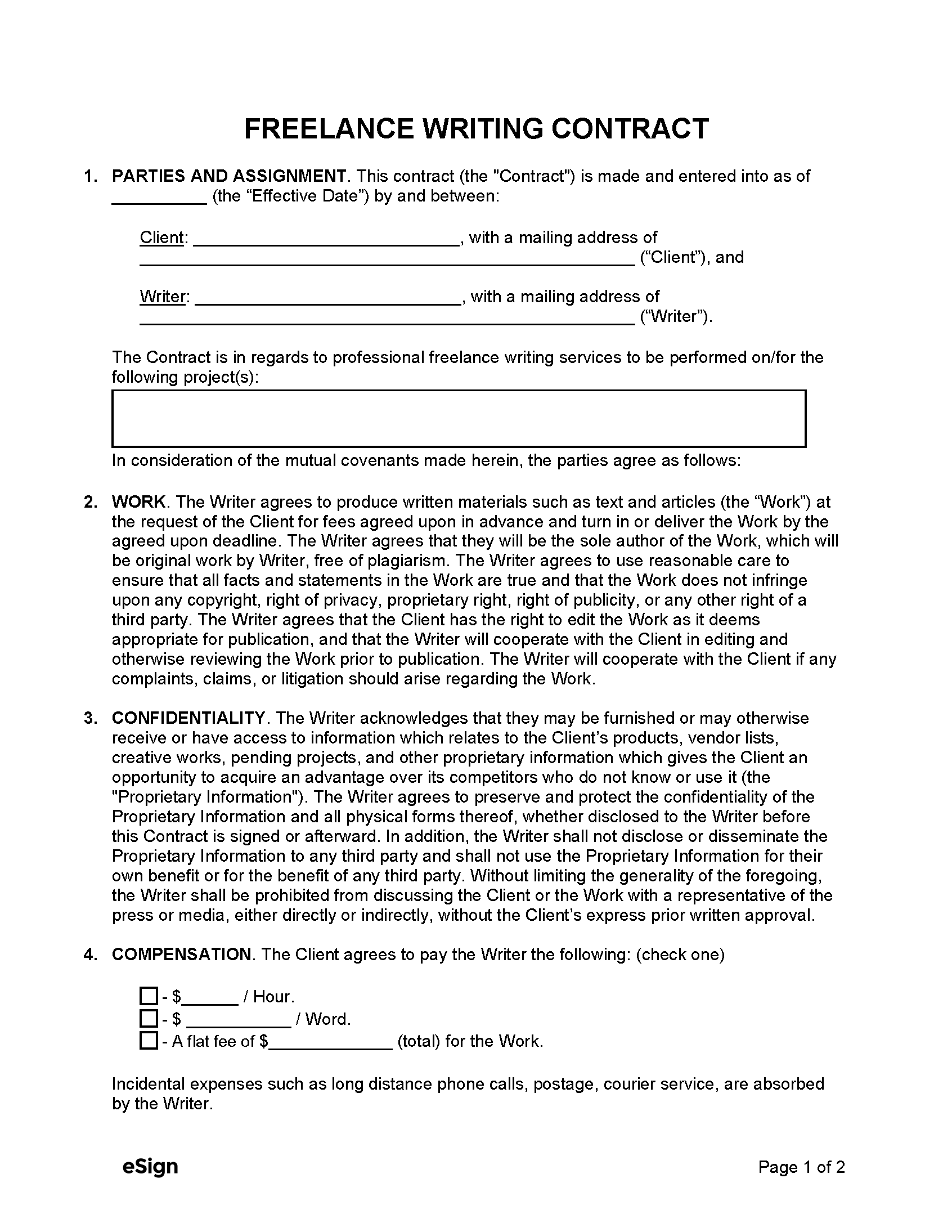
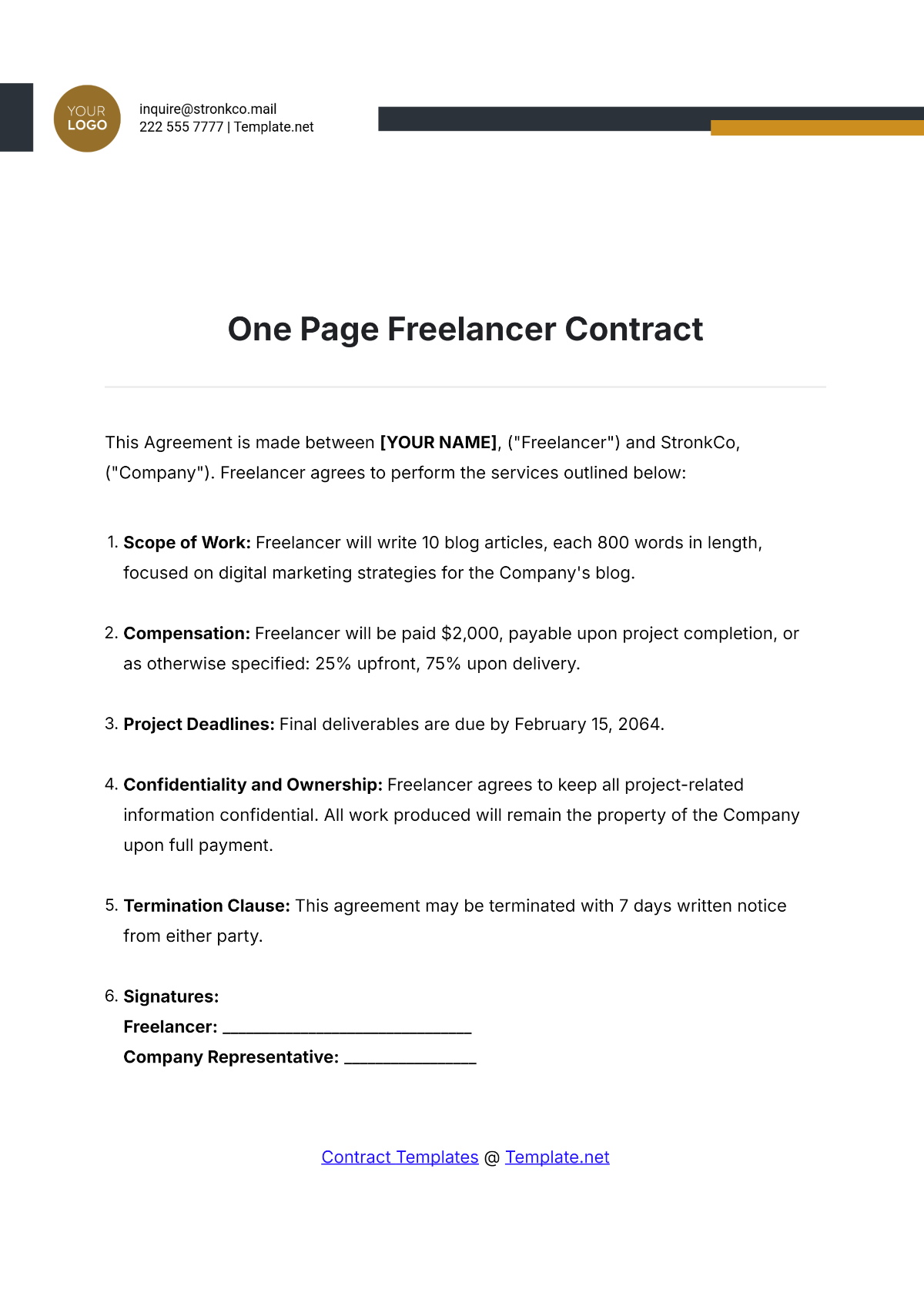
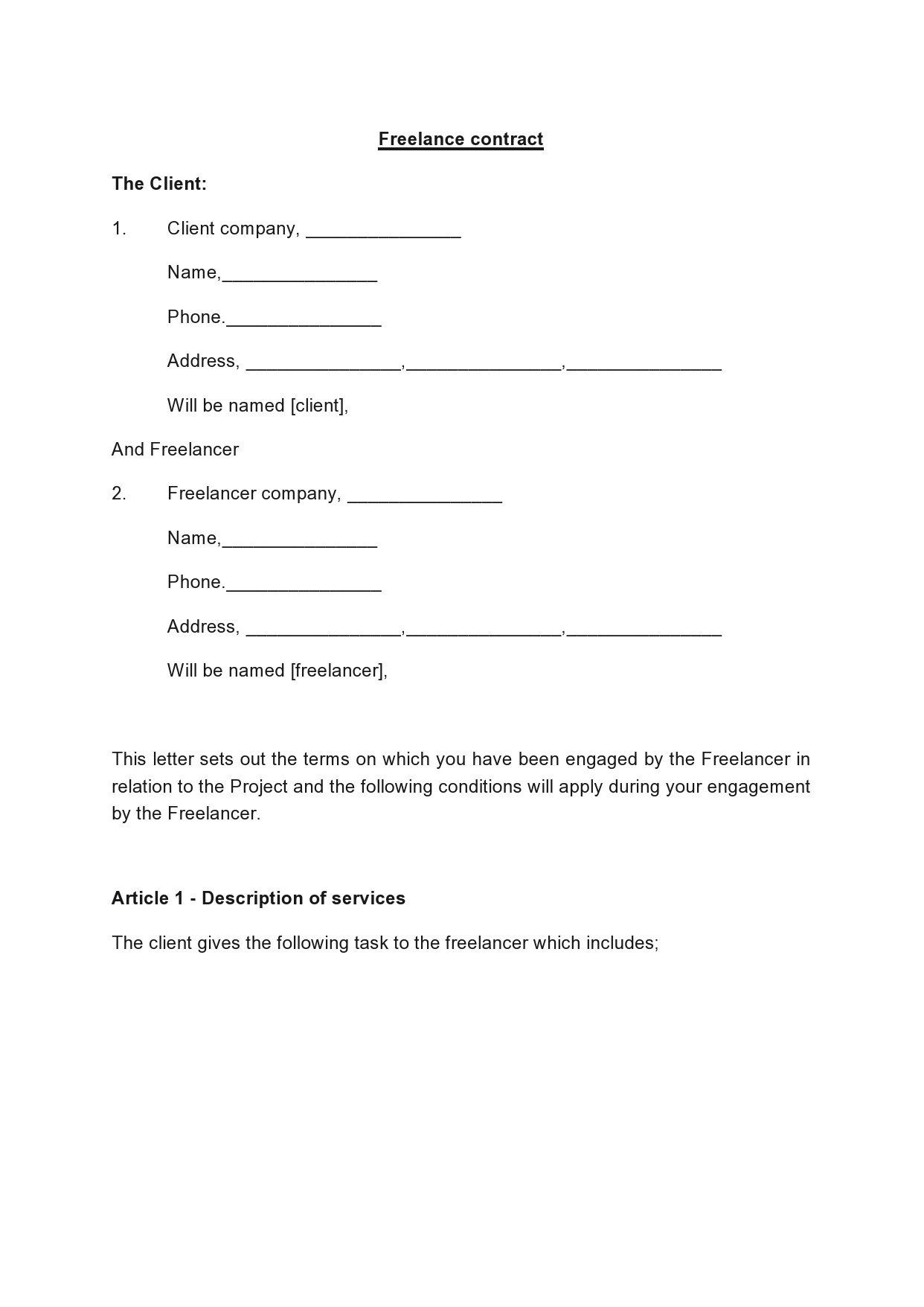
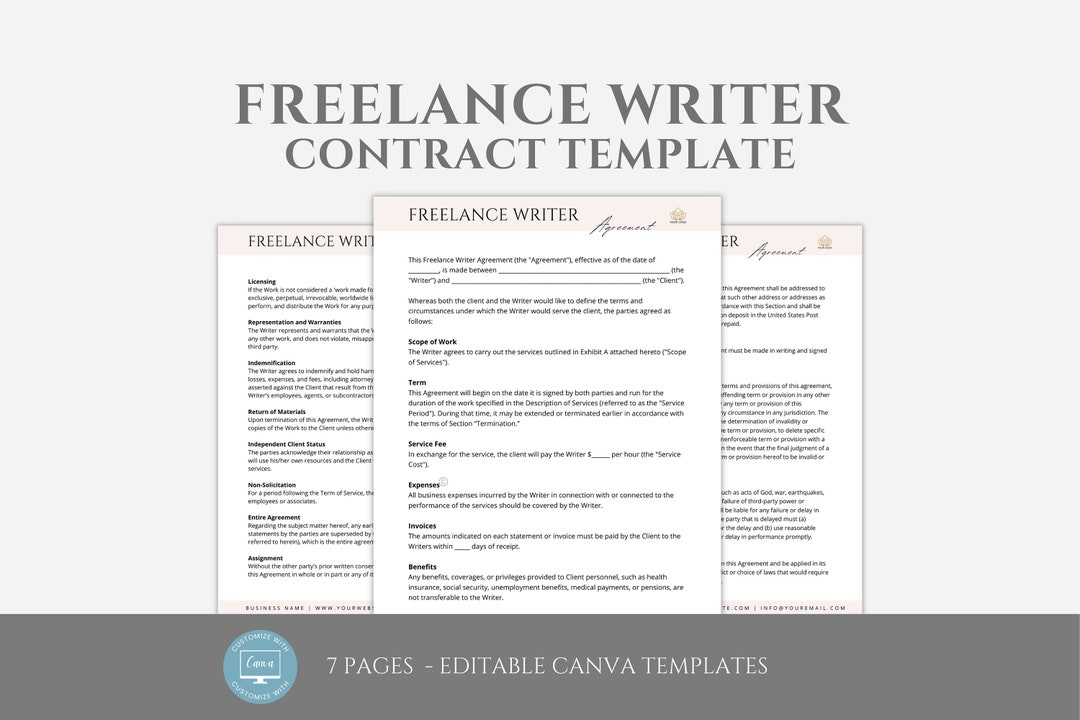
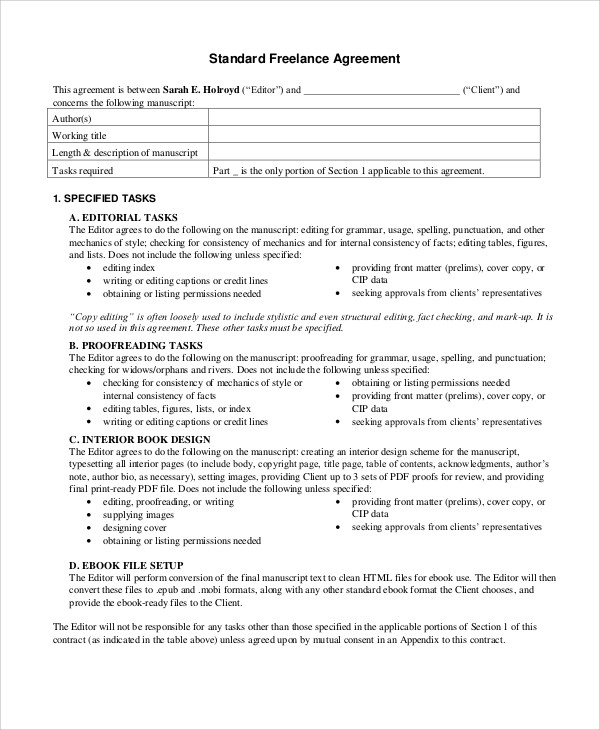
- Scope of Work: Clearly define the type of content you'll be creating, the word count, and the deadline for delivery.
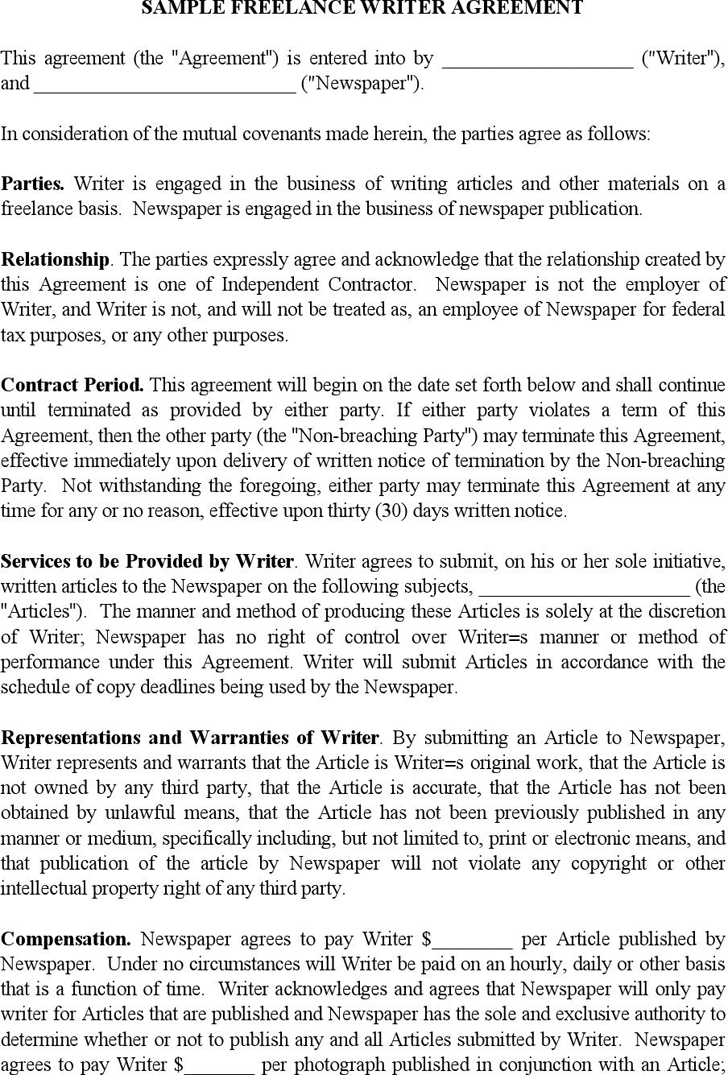
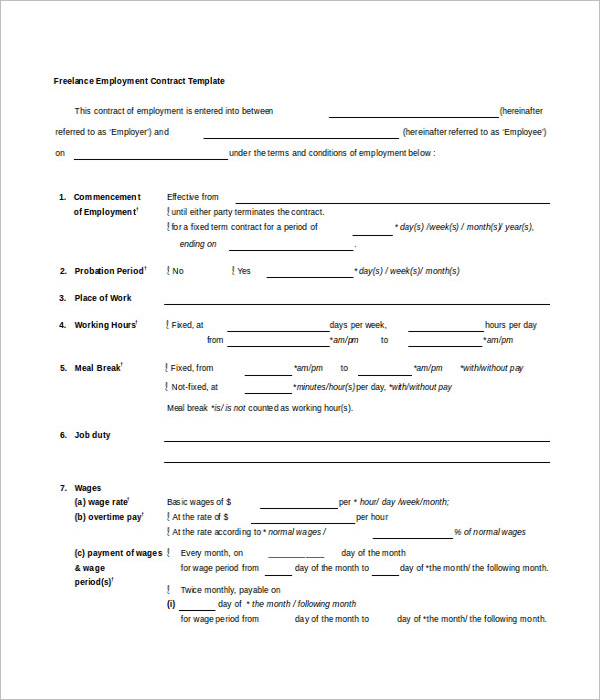
- Payment Terms: Specify the payment amount, method, and schedule. Be sure to include any applicable late fees or penalties.
- Intellectual Property: Define who owns the rights to the content produced, including any copyrights, trademarks, or other intellectual property rights.
- Confidentiality: Establish a confidentiality agreement to protect sensitive information shared during the project.
- Revisions and Cancellations: Outline the process for requesting revisions and cancellations, including any associated fees or penalties.
- Duration and Termination: Specify the duration of the contract and the conditions under which it can be terminated.



-min.jpg "Weekly List of Freelance Writing Jobs, March 16, 2026")