Businesses Need Export License: A Comprehensive Guide
When it comes to expanding your business into the global market, it's essential to understand the regulations and requirements surrounding export licenses. In this article, we'll delve into the world of export licenses, discussing what they are, why businesses need them, and how to obtain one.
What is an Export License?
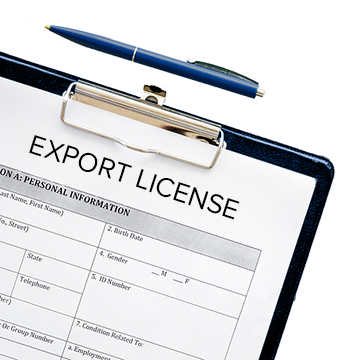
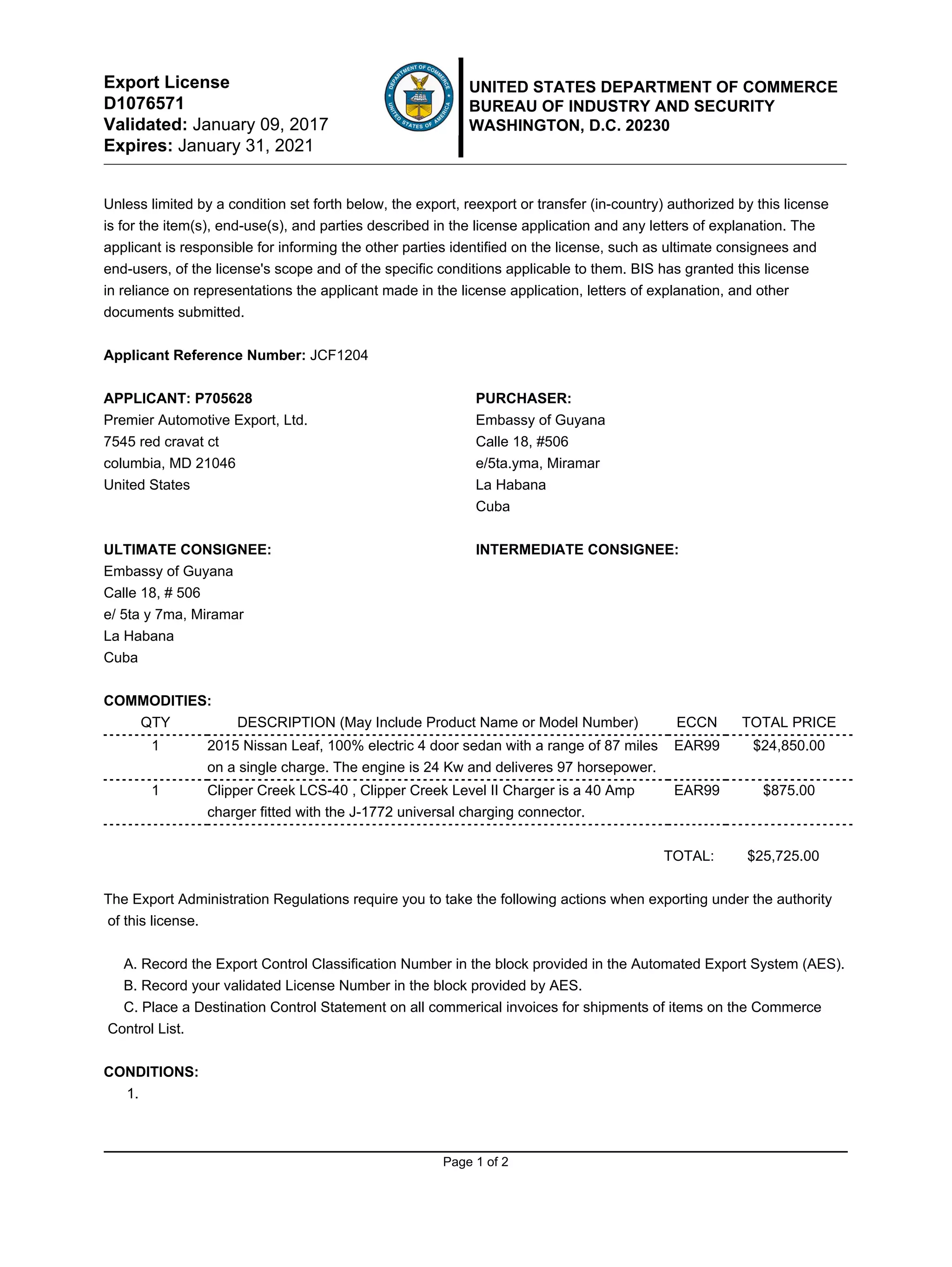
An export license is a government document that authorizes the export of specific goods, technologies, or services to certain destinations under defined conditions. This type of license is instrumental in regulating exports that could impact a country's national security, foreign policy, and economic interests.
Why Do Businesses Need Export Licenses?

Businesses need export licenses to ensure compliance with international trade regulations and avoid potential penalties. Export licenses help prevent the unauthorized export of sensitive goods and technologies, which could compromise national security or harm the economy.
Key Requirements for Export Licenses
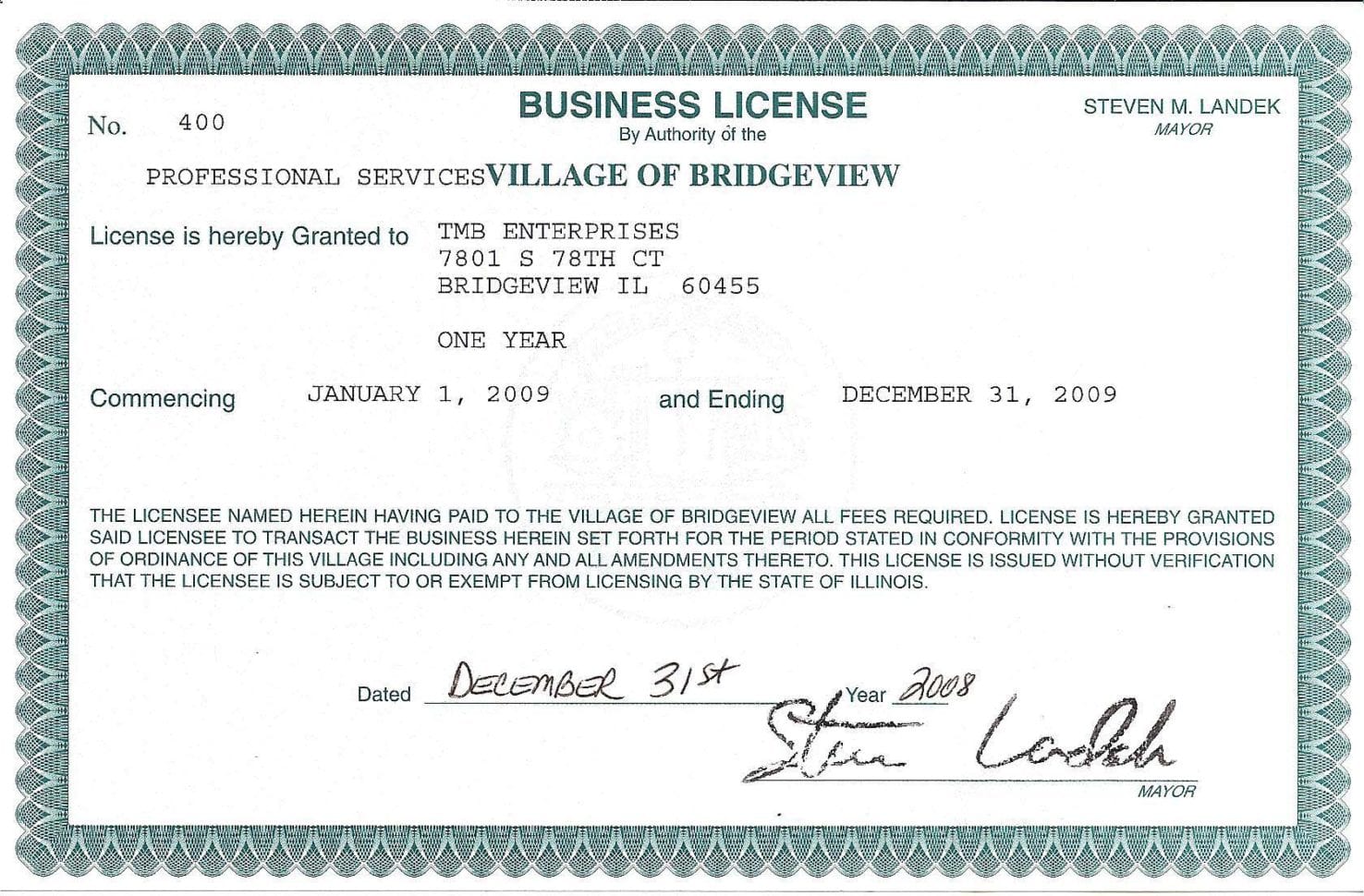
- Business registration: Companies must register with the relevant government agency before applying for an export license.
- Product classification: Businesses must accurately classify their products according to the Harmonized System (HS) or the Export Administration Regulations (EAR).
- Destination control: Companies must ensure that their exports comply with destination control requirements, which vary depending on the country and product.
- Compliance with regulations: Businesses must demonstrate compliance with relevant regulations, including the Export Administration Regulations (EAR) and the International Traffic in Arms Regulations (ITAR).