Window Shade Energy Efficiency: A Comprehensive Guide
As we strive to reduce our carbon footprint and lower our energy bills, window shade energy efficiency has become a crucial aspect of home improvement. Windows are one of the biggest sources of heat gain and loss in a home, and choosing the right window treatments can make a significant difference in your energy savings. In this article, we will delve into the world of window shade energy efficiency, exploring the latest trends, products, and tips to help you transform your home into a energy-efficient sanctuary.
The Importance of Window Shade Energy Efficiency
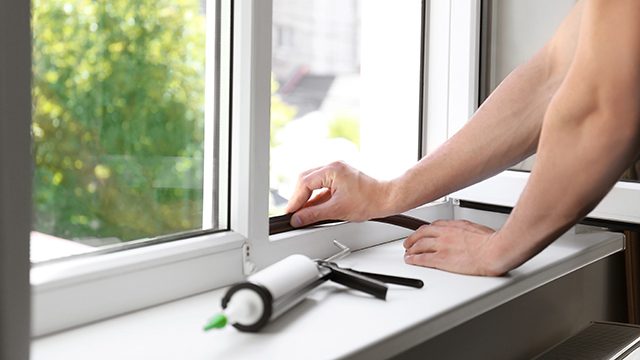
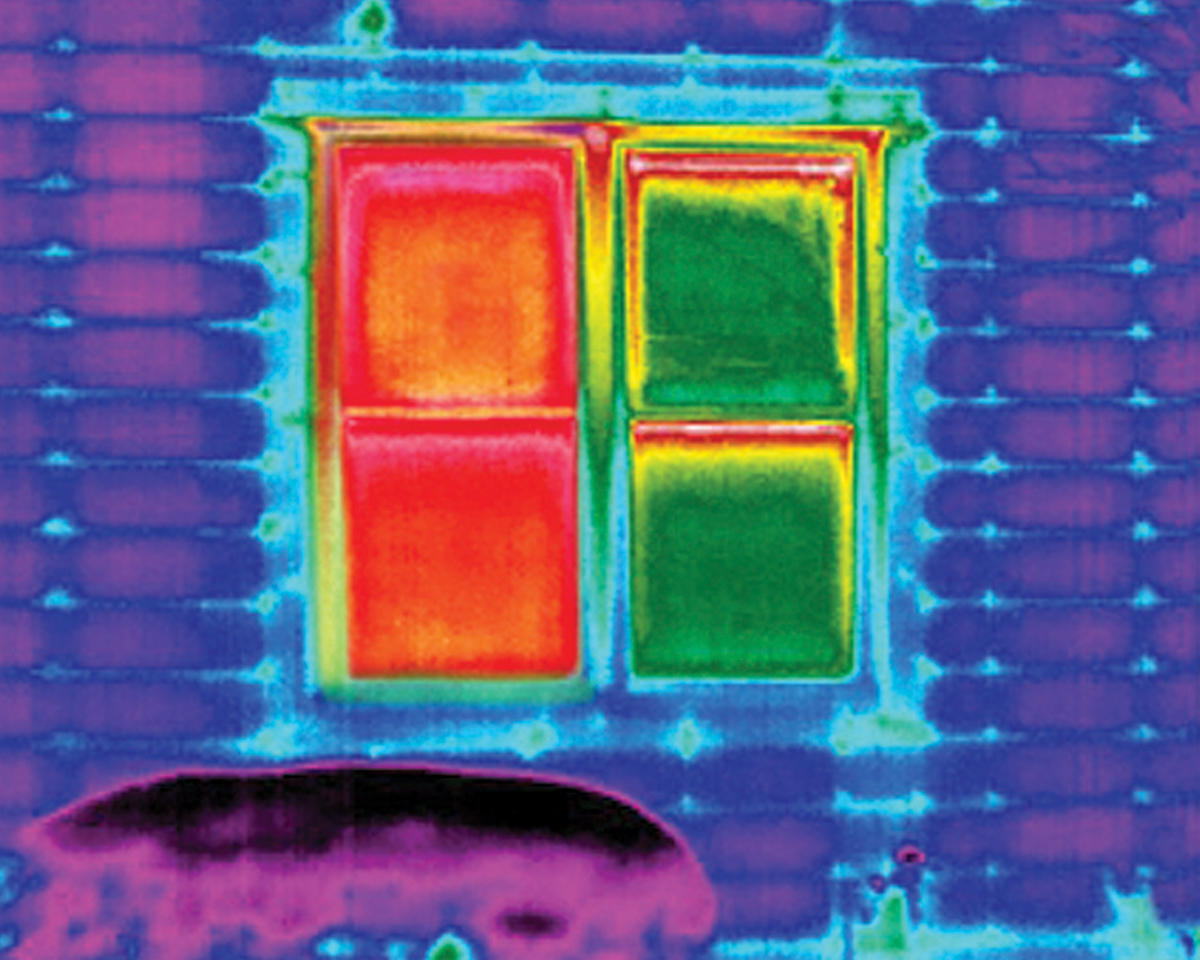
Windows play a significant role in heating and cooling a home. In the winter, cold air penetrates through the windows, making your home feel chilly, while in the summer, warm air enters, making your home feel stuffy. This heat transfer can account for up to 30% of a home's energy loss. By investing in energy-efficient window shades, you can significantly reduce this heat transfer, making your home more comfortable and saving you money on your utility bills.
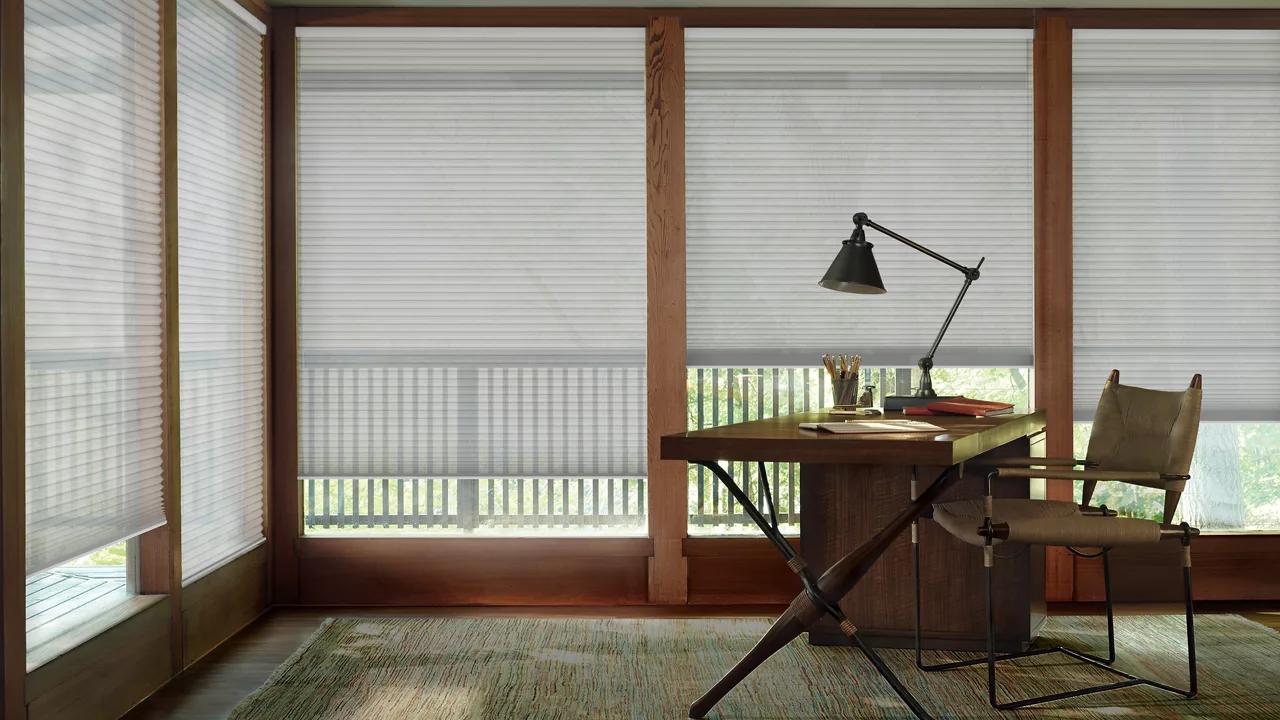
Types of Energy-Efficient Window Shades
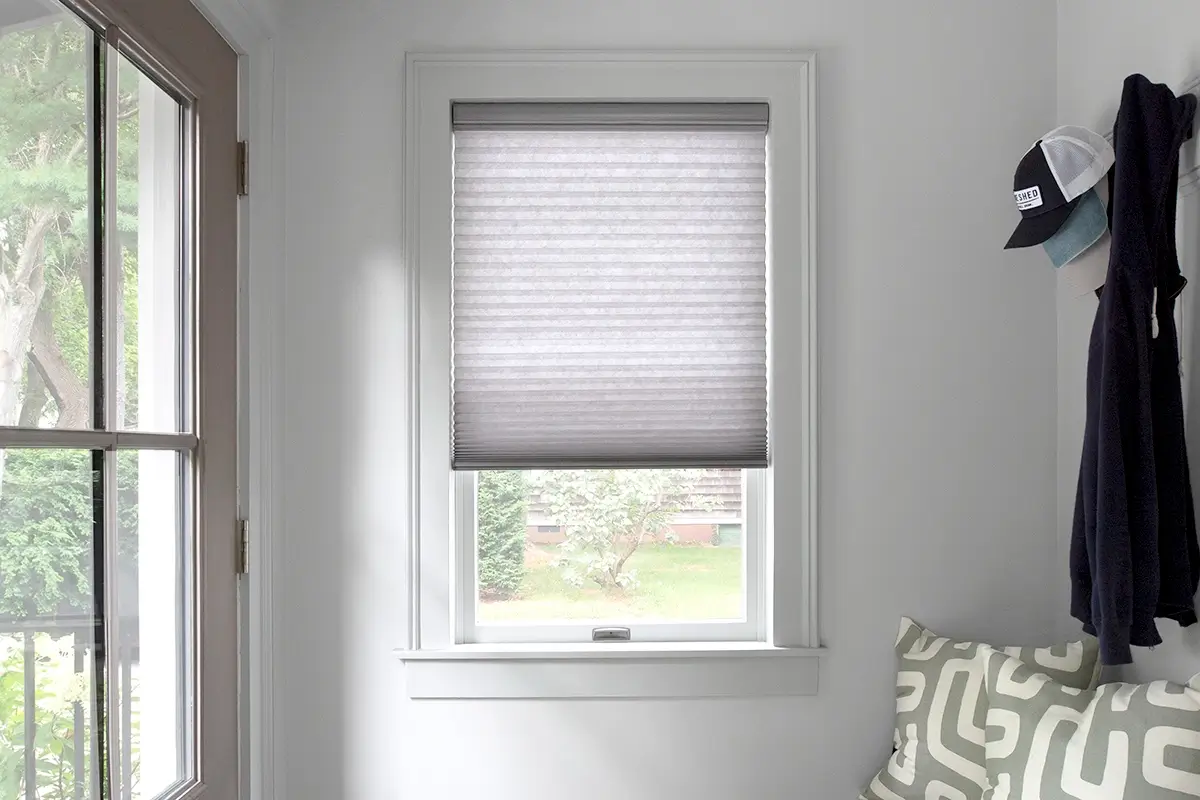
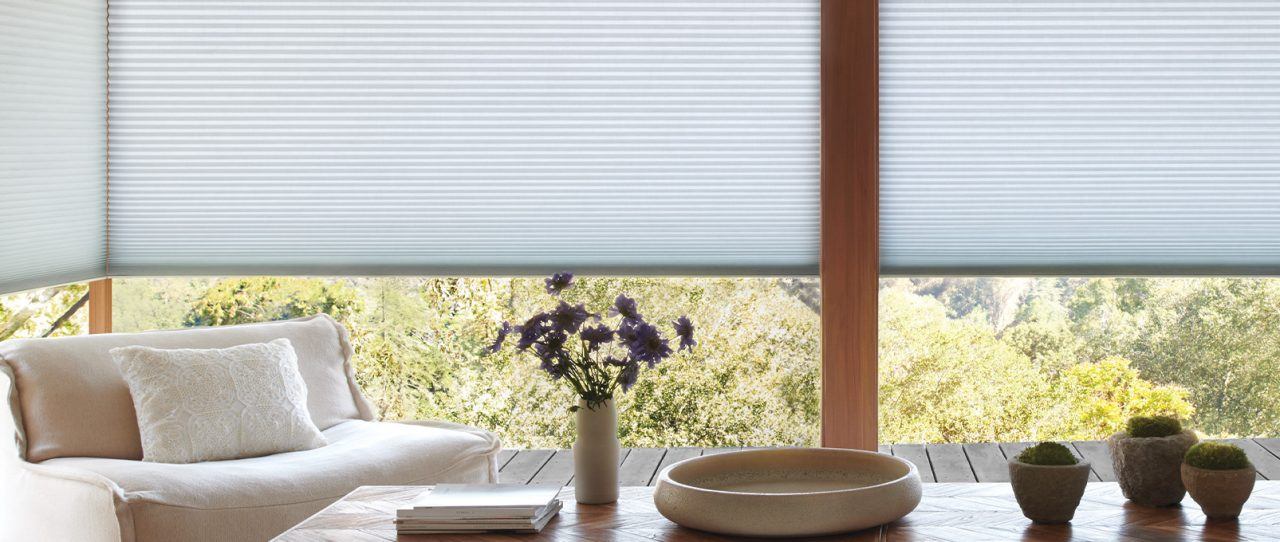
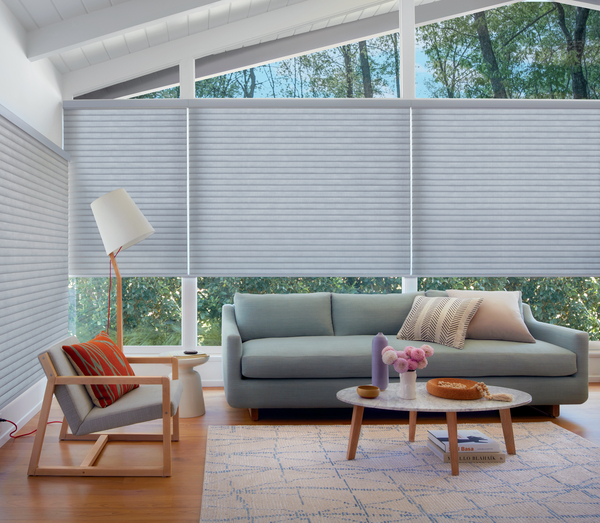
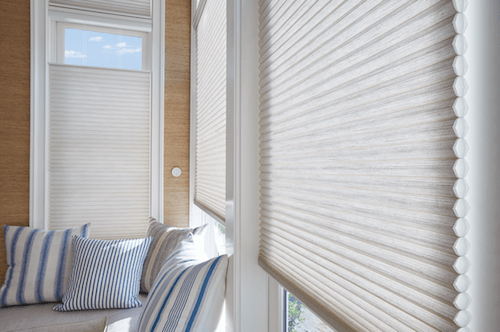
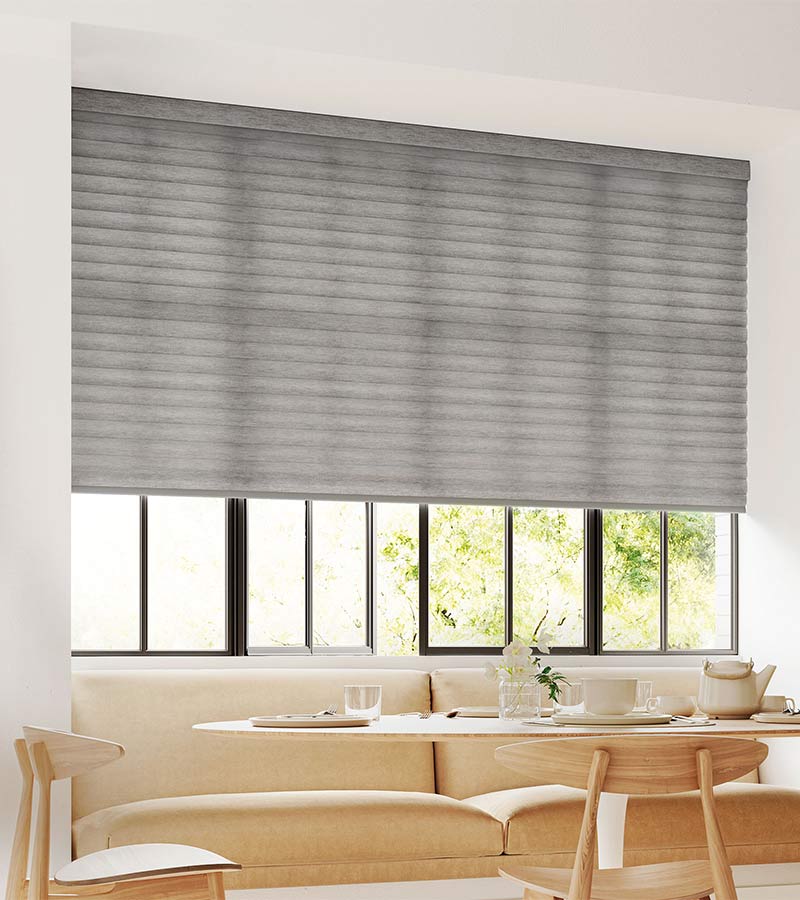
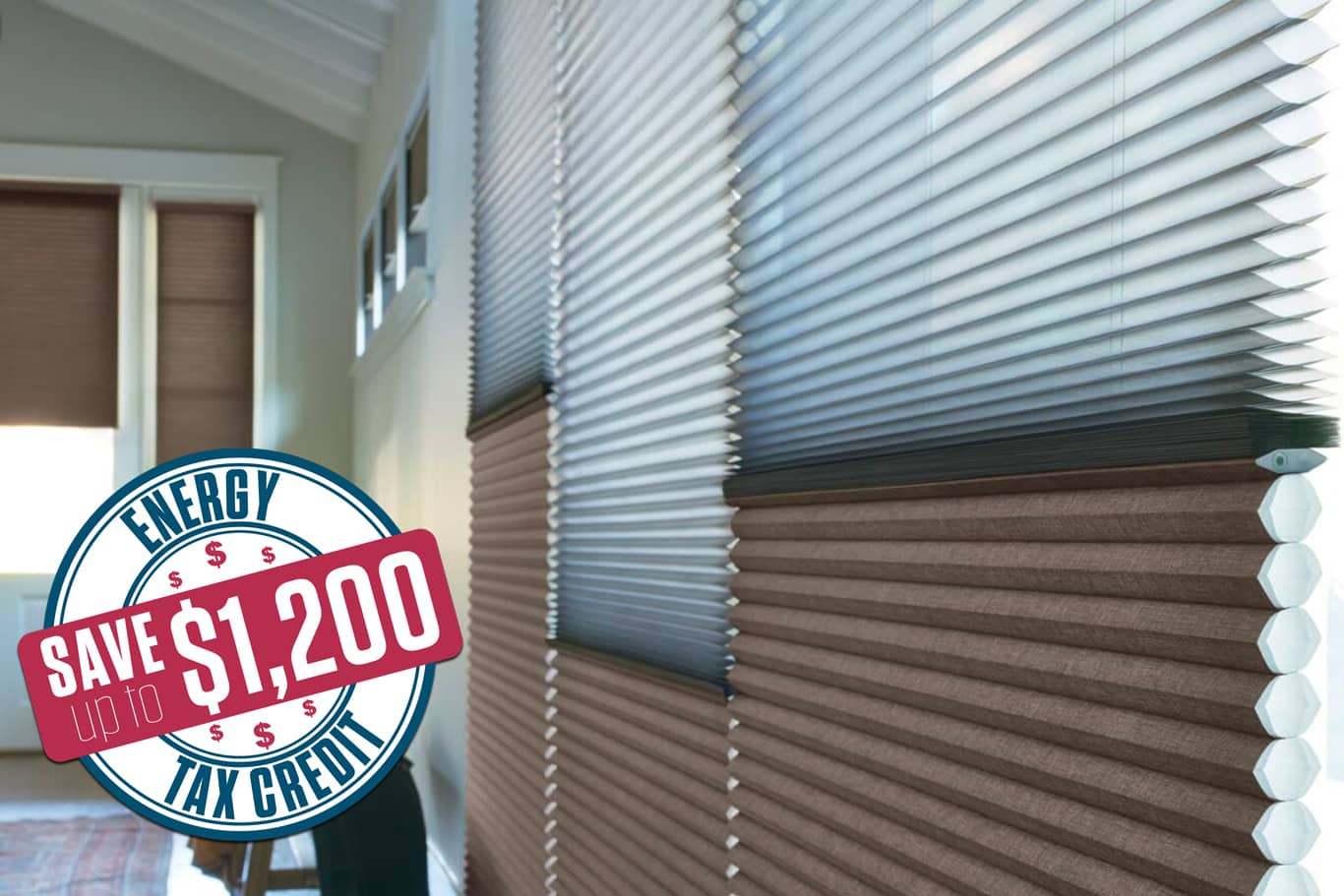
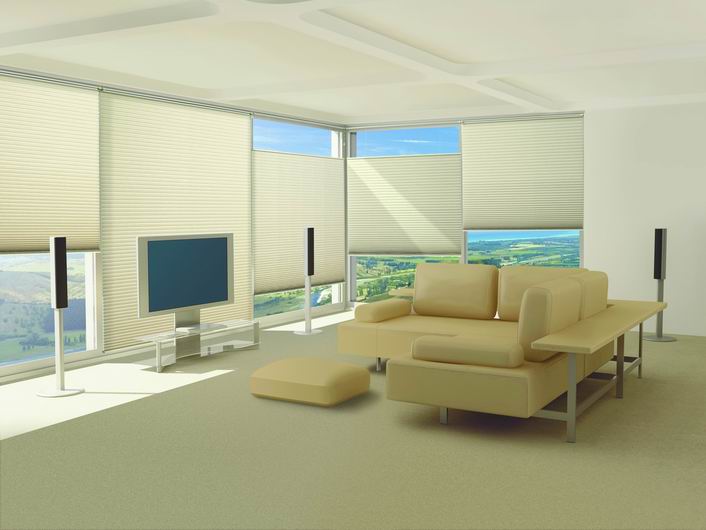
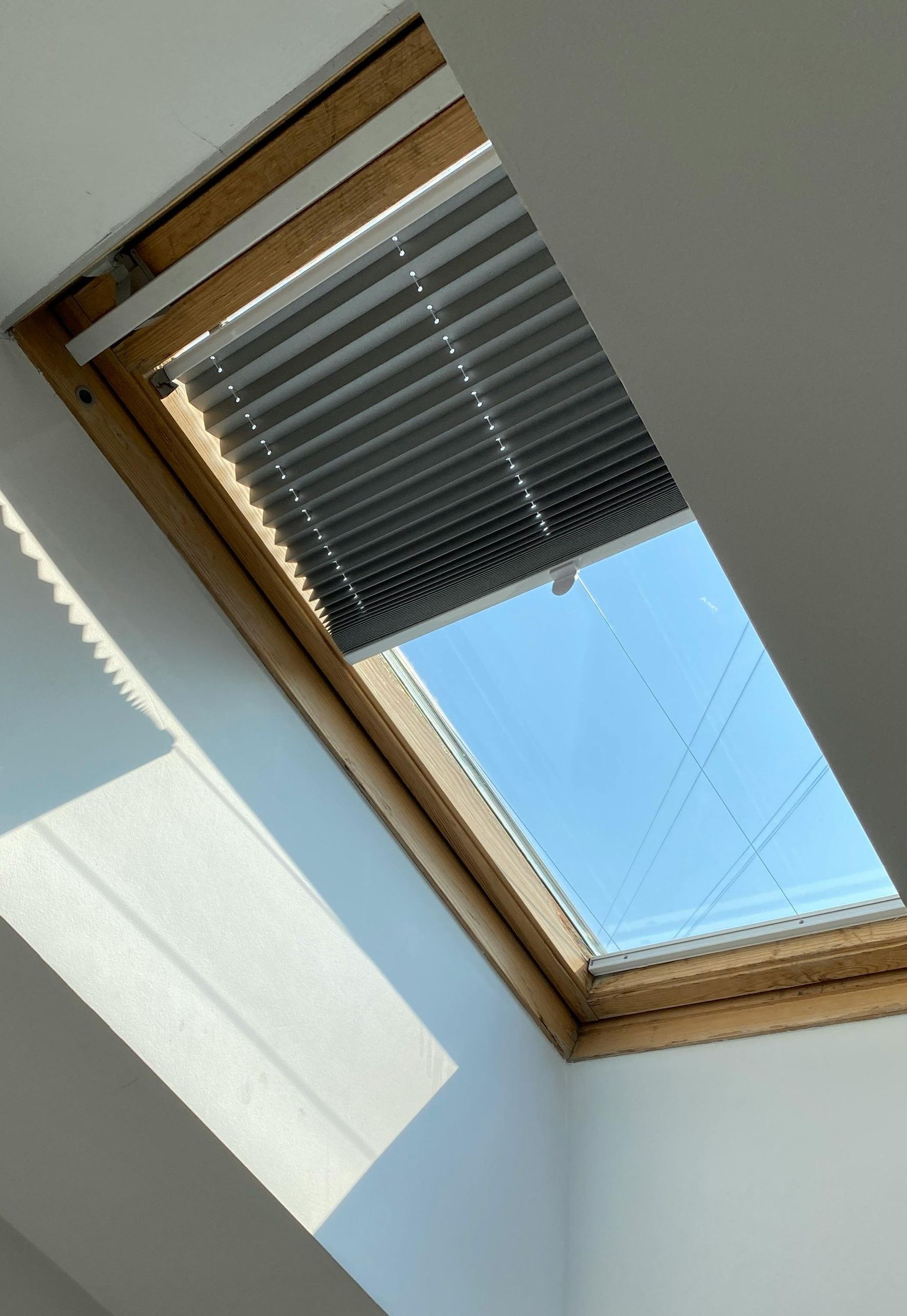
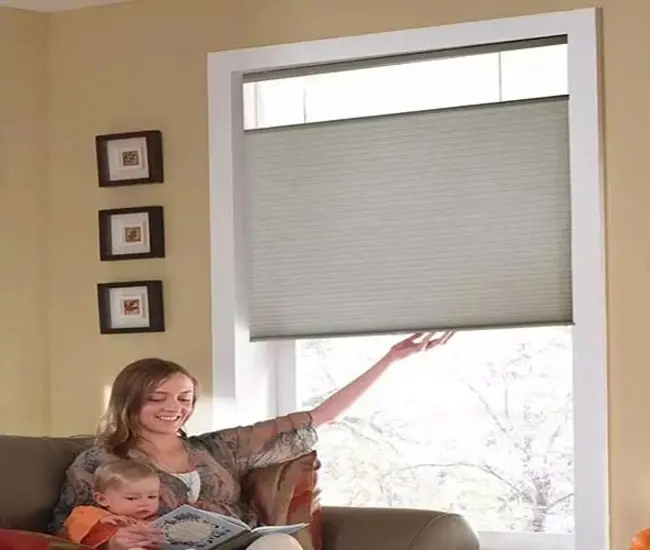
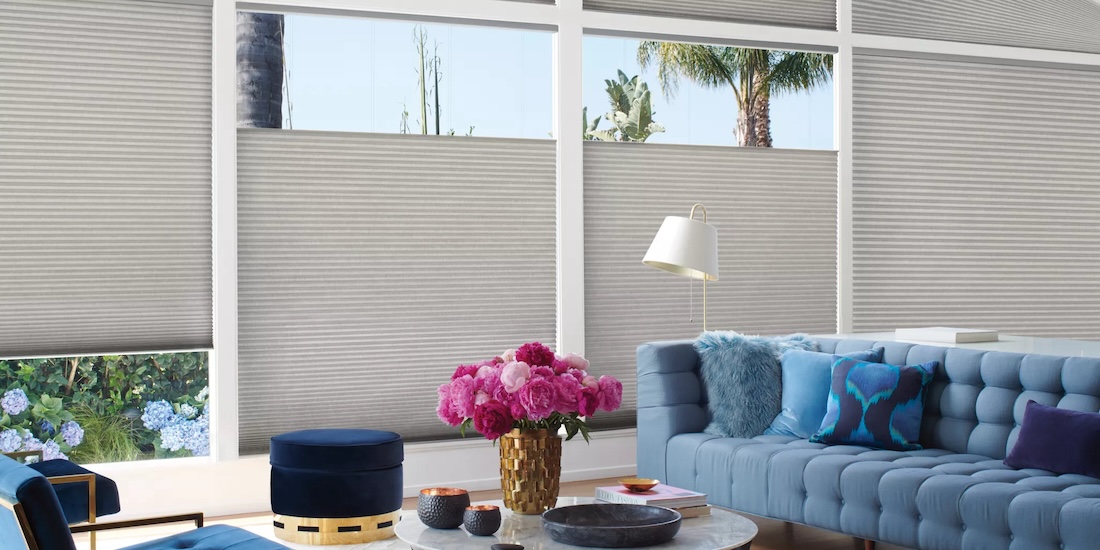
- Cellular Shades: Also known as honeycomb shades, these energy-efficient window treatments offer a honeycomb structure that traps air, reducing heat transfer and saving energy.
- Thermal Curtains: These energy-efficient window treatments are designed to regulate temperature and reduce heat transfer, keeping your home cool in the summer and warm in the winter.
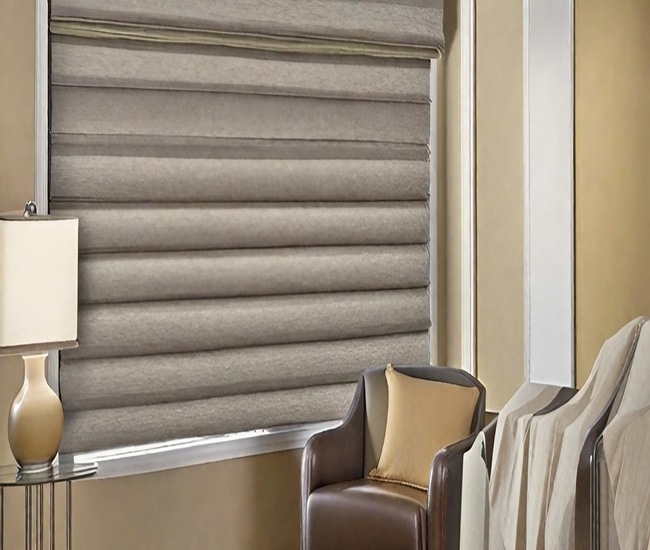
- Insulated Blinds: These energy-efficient window treatments are made with insulating materials that prevent heat transfer, reducing energy loss and saving you money.
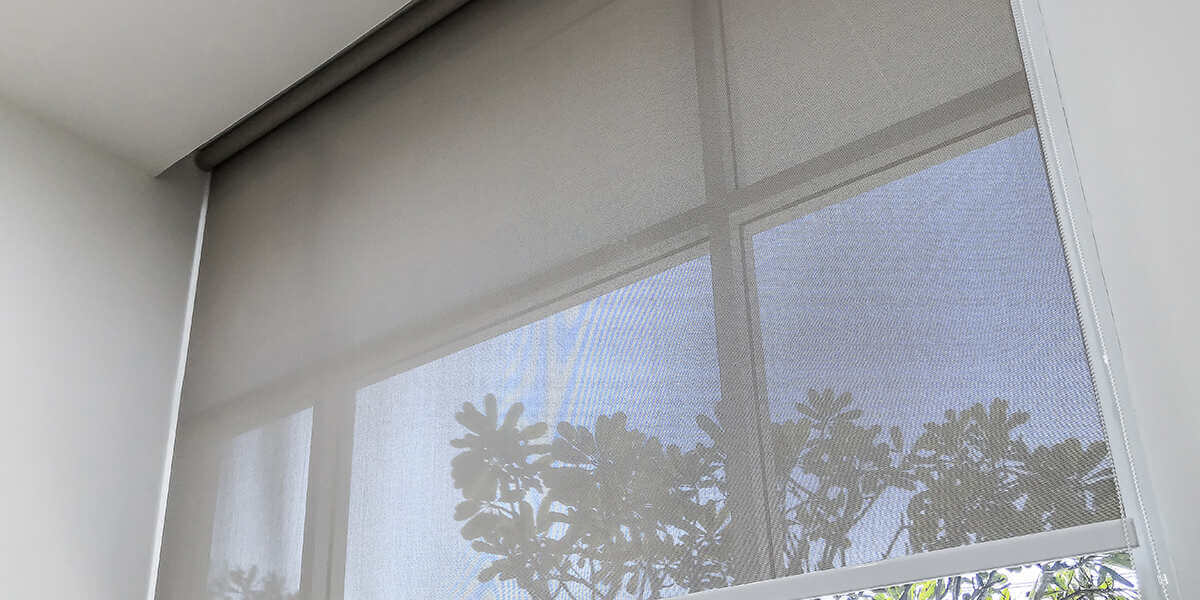
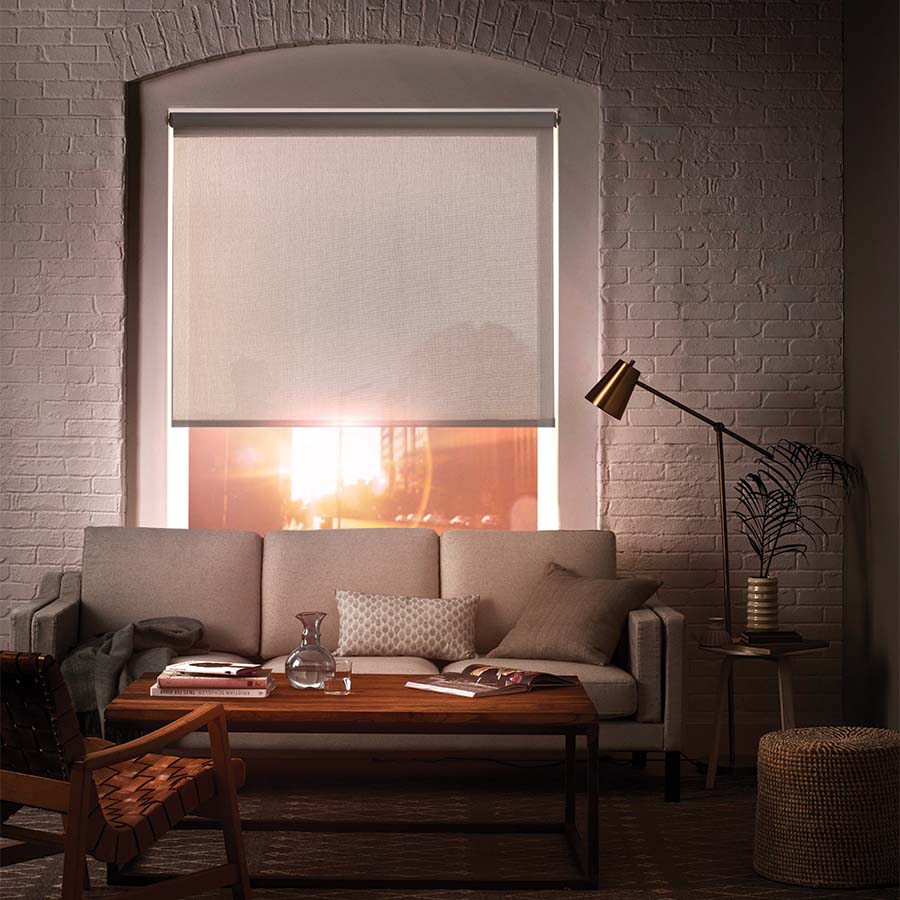
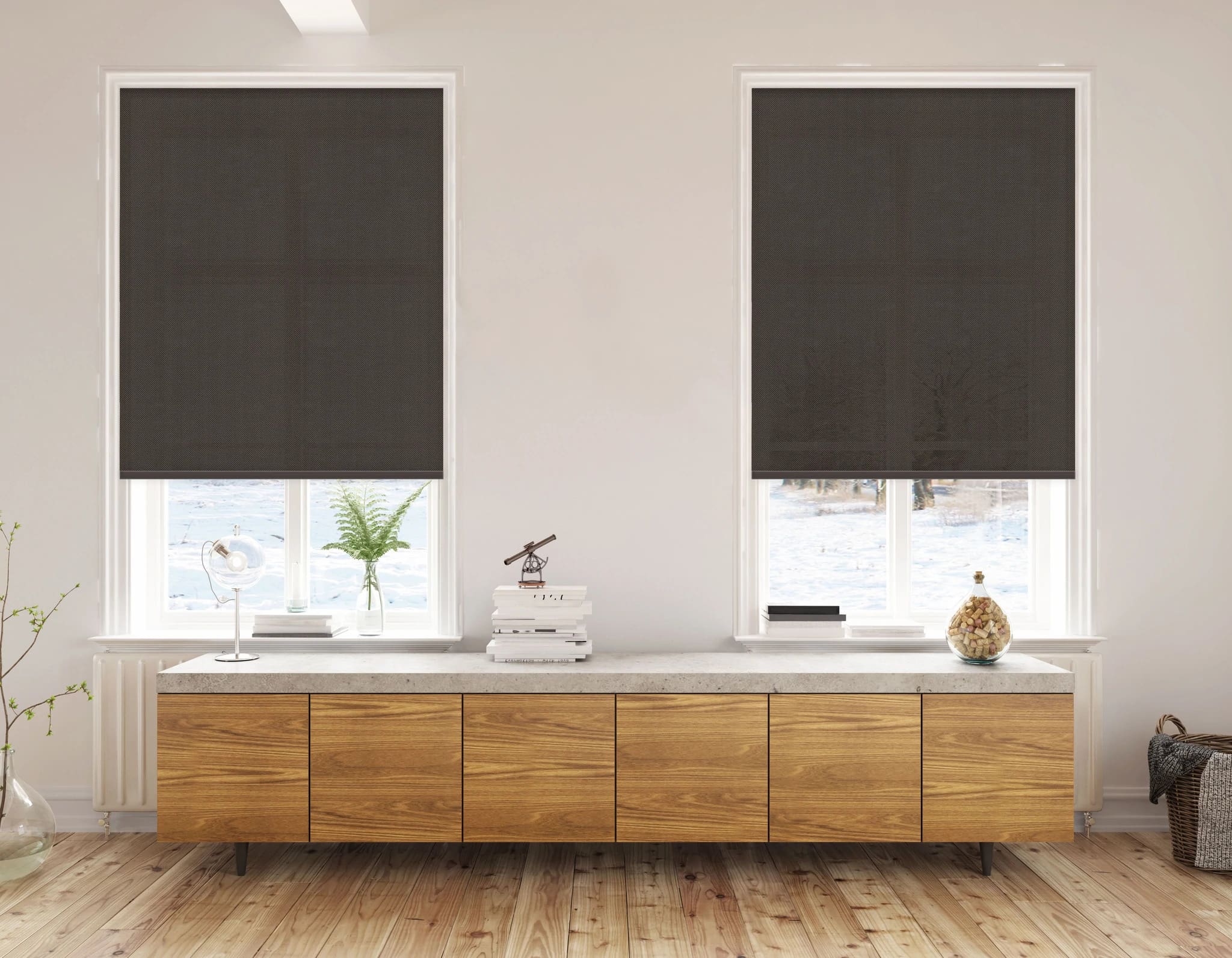
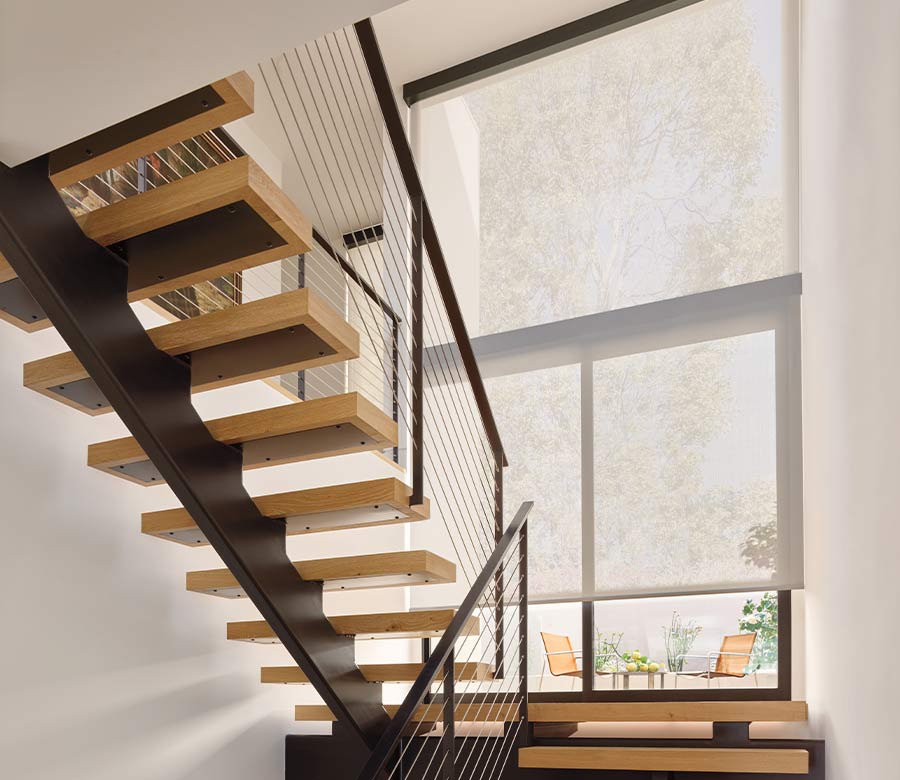
- Solar Shades: These energy-efficient window treatments block UV rays, reducing heat gain and saving you money on your cooling bills.