Using GLP-1 Agonist Medications to Improve Bone Health in Pre-Diabetes
Pre-diabetes, a condition characterized by elevated blood sugar levels that are not high enough to be classified as type 2 diabetes, affects millions of people worldwide. While the primary focus of treating pre-diabetes is often on managing blood glucose levels, researchers are now exploring the potential benefits of using glucagon-like peptide-1 (GLP-1) agonist medications to improve bone health in individuals with pre-diabetes.
What are GLP-1 Agonist Medications?
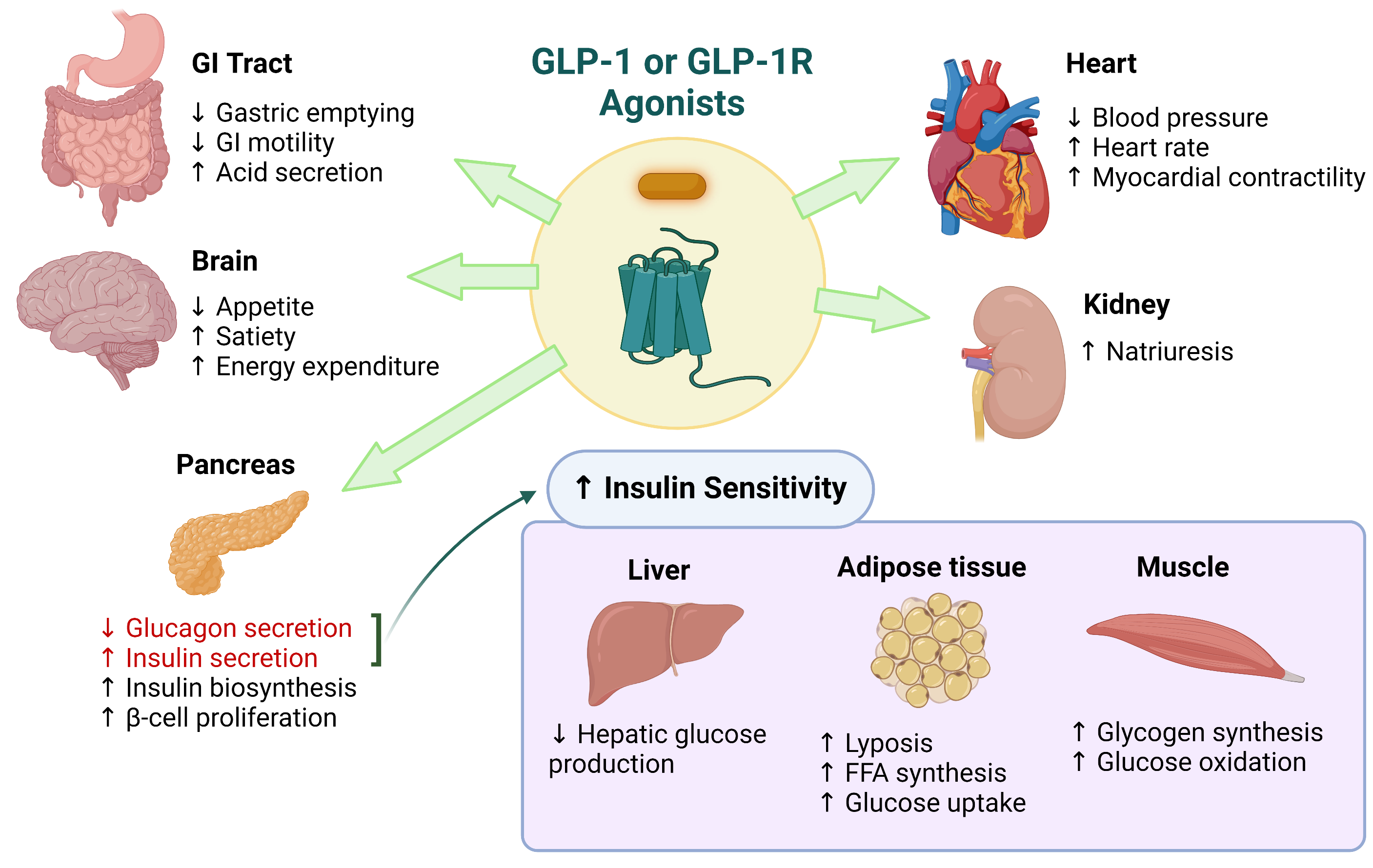
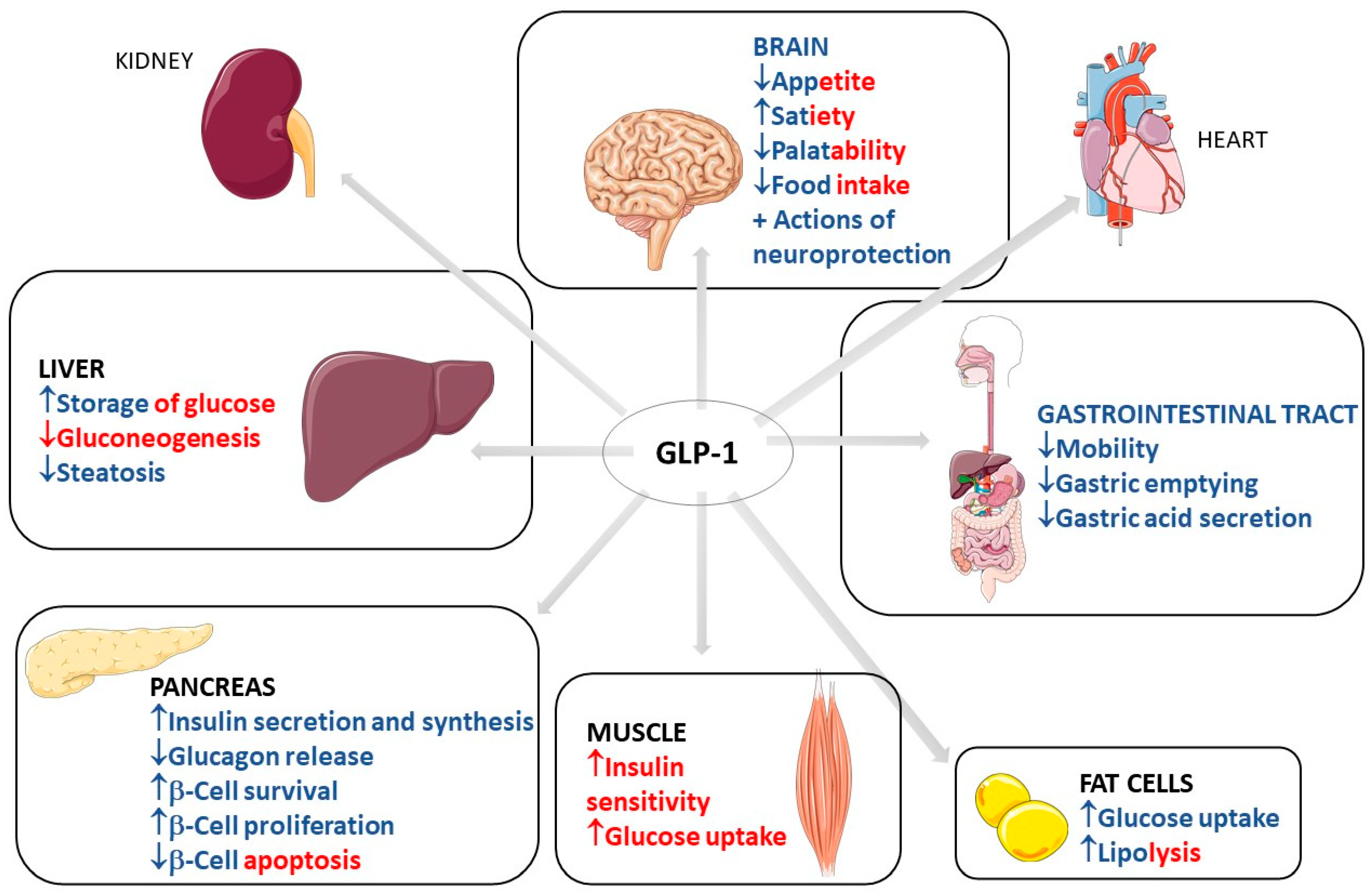
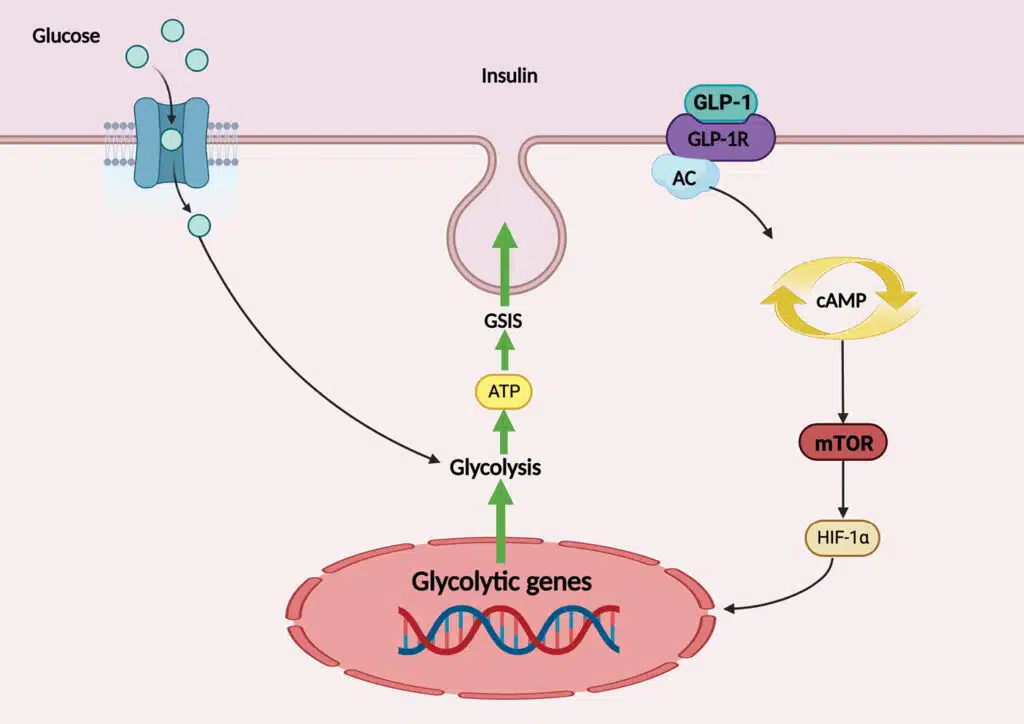
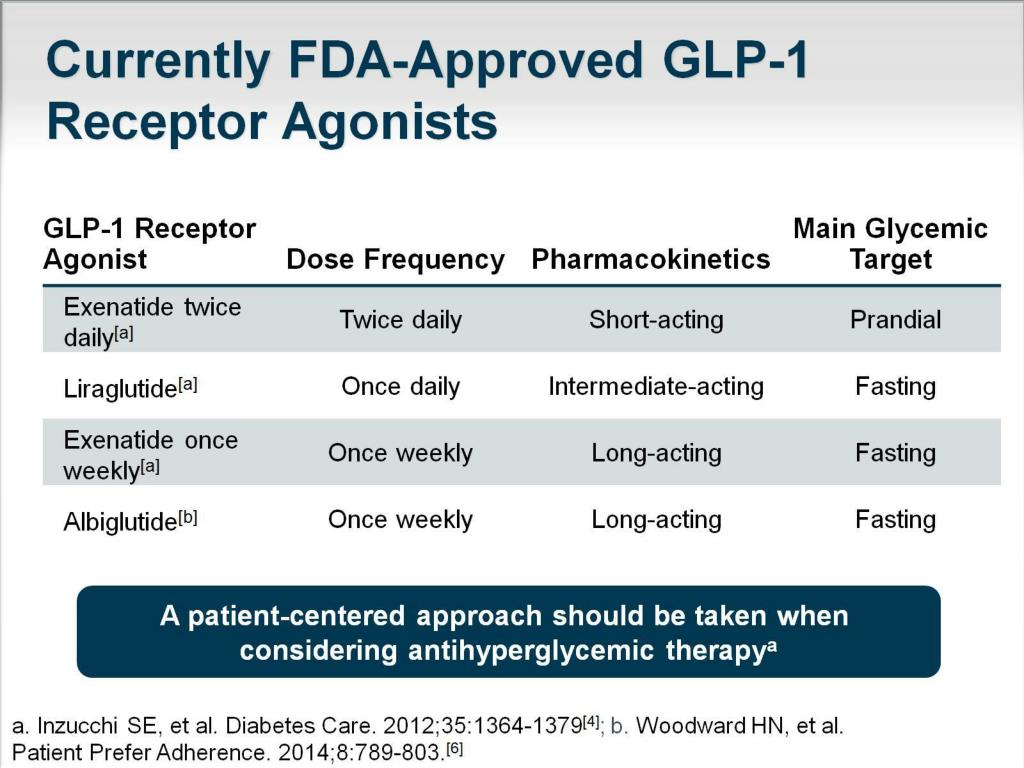
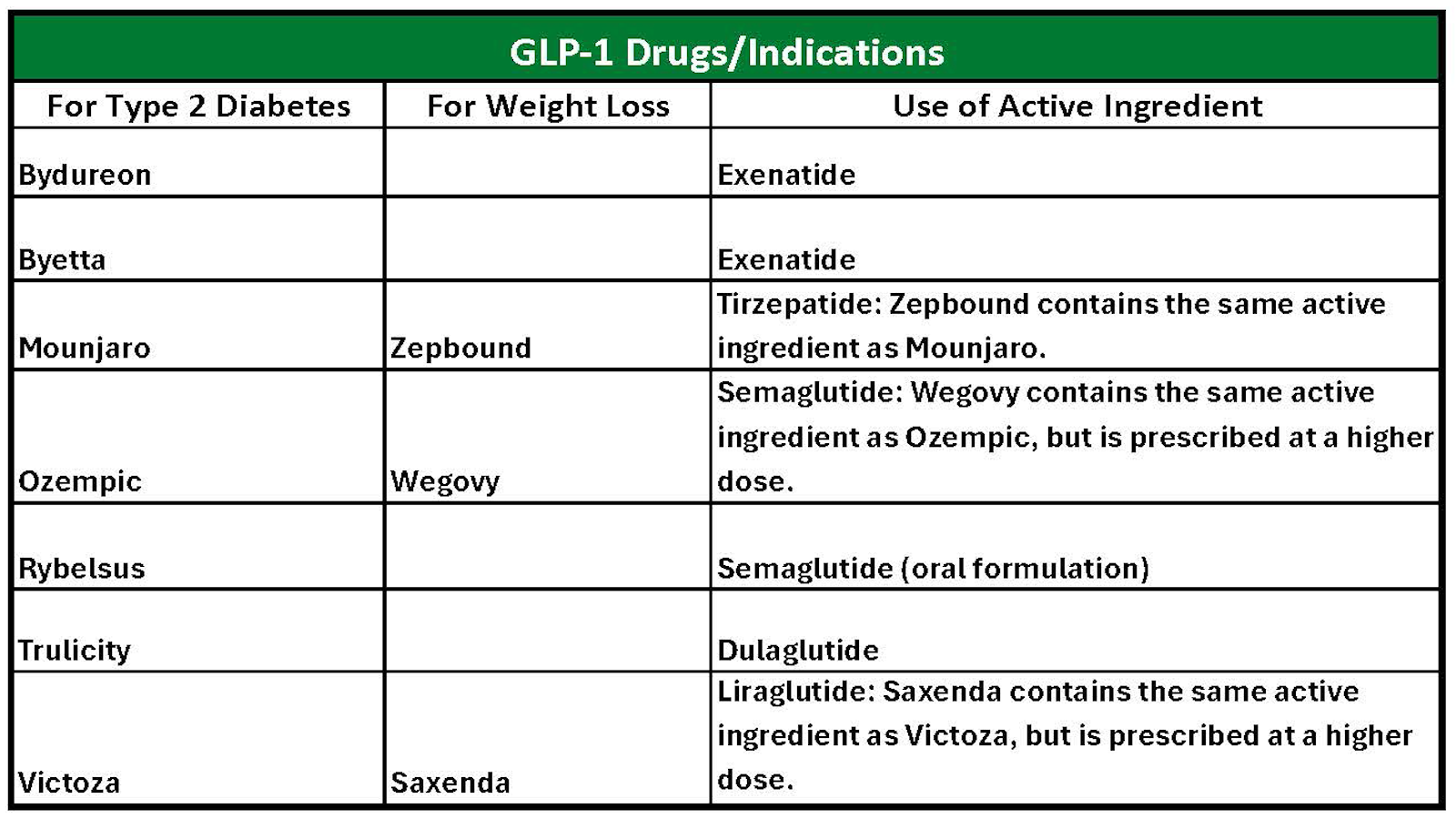
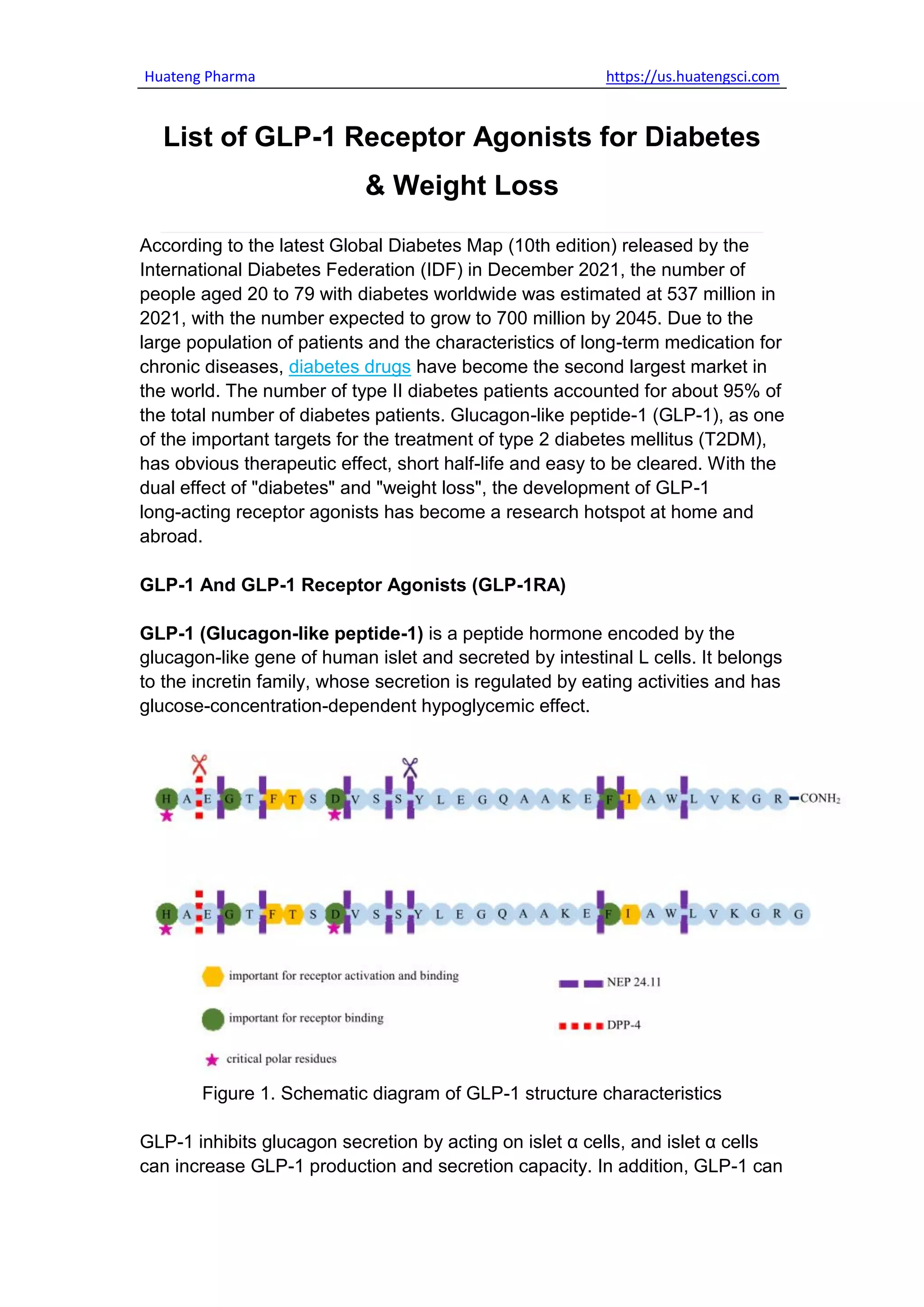
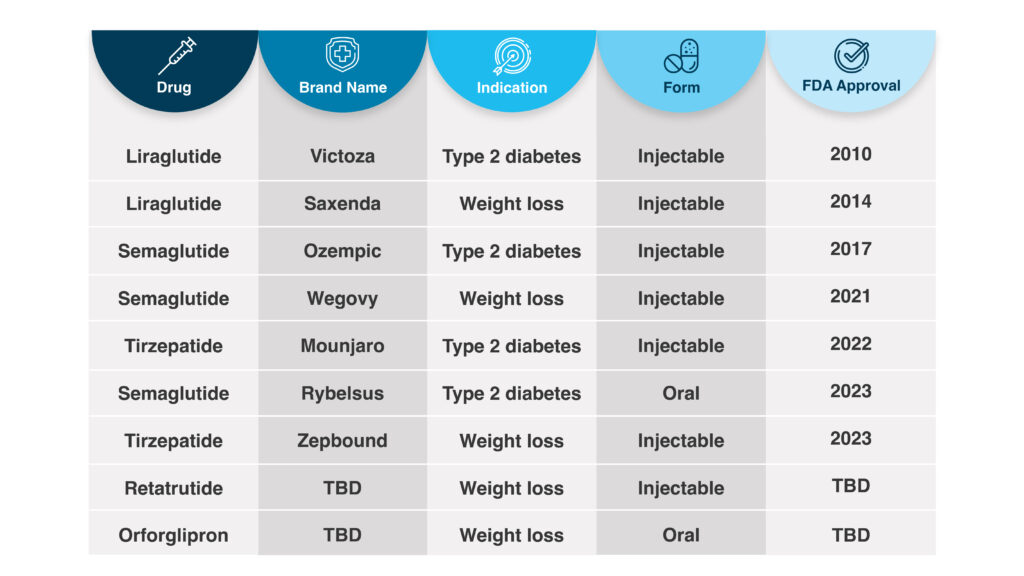
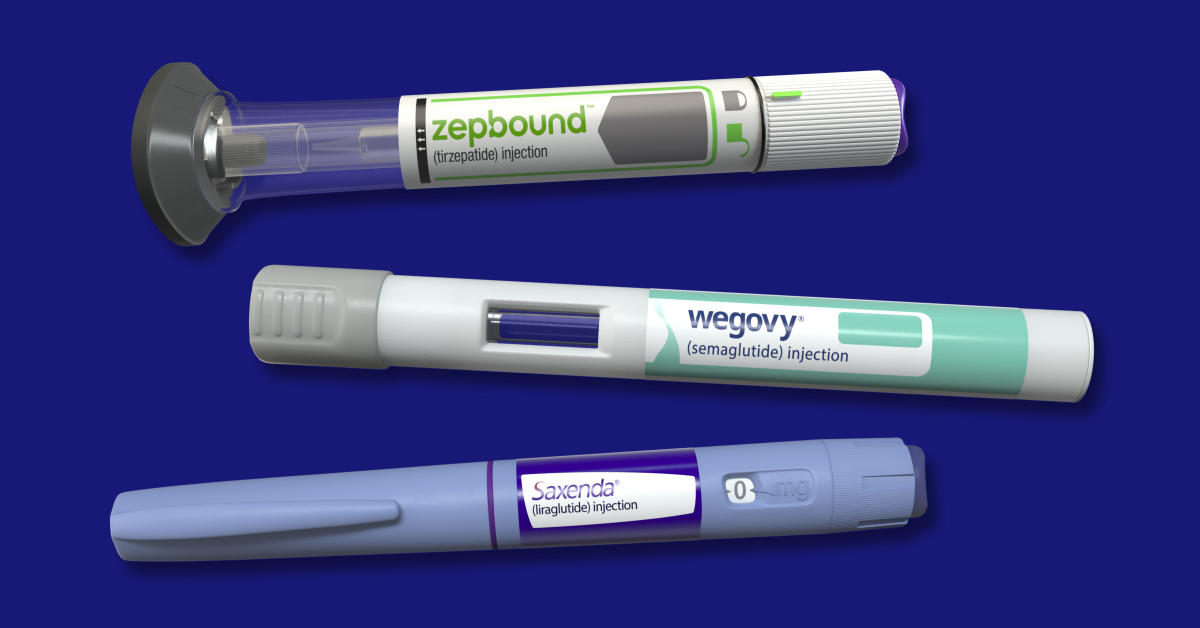
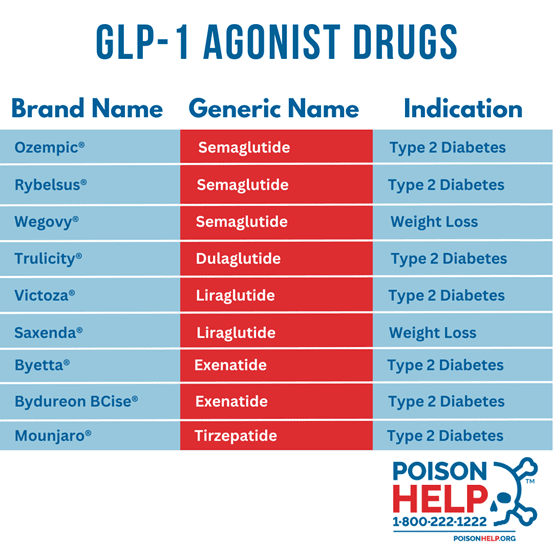
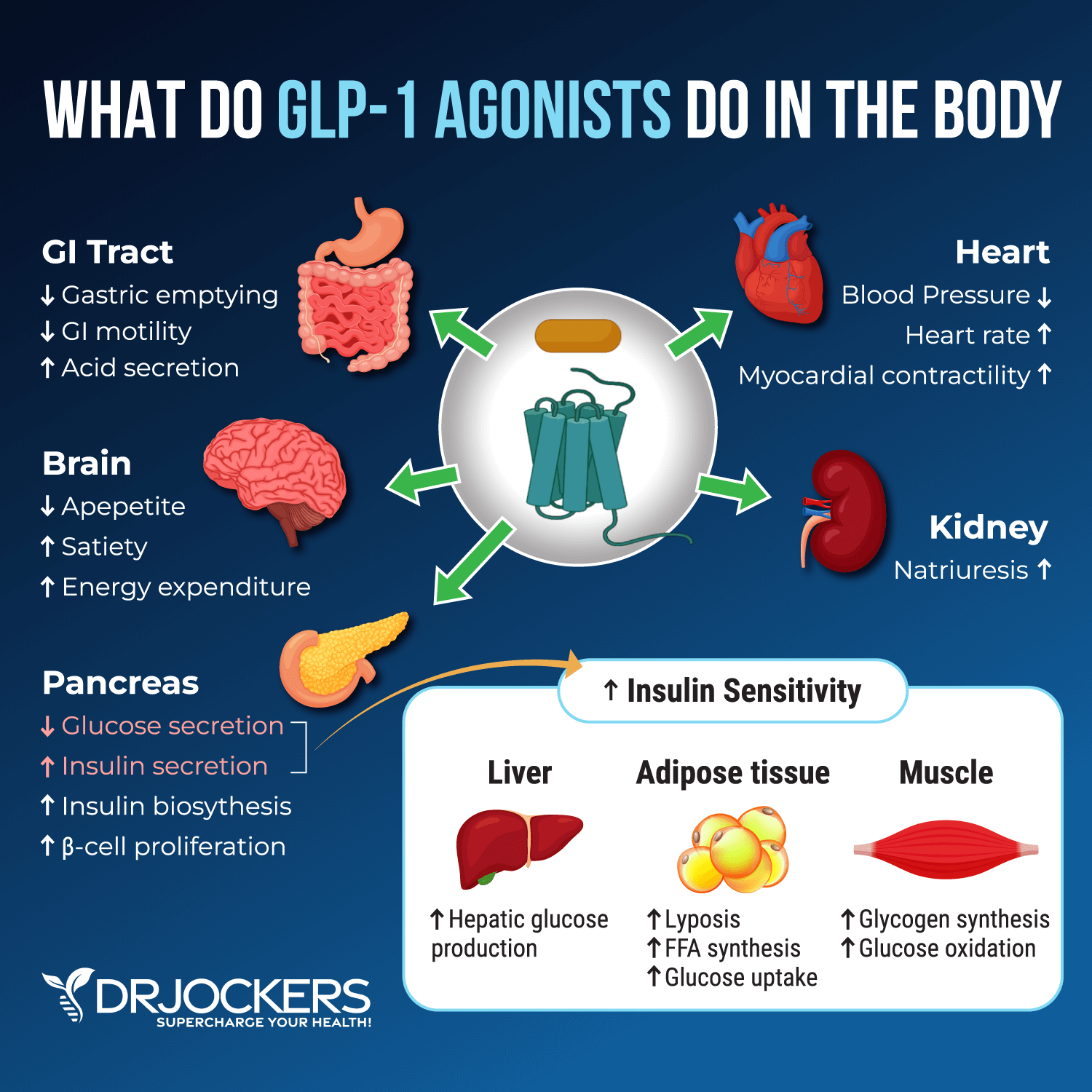
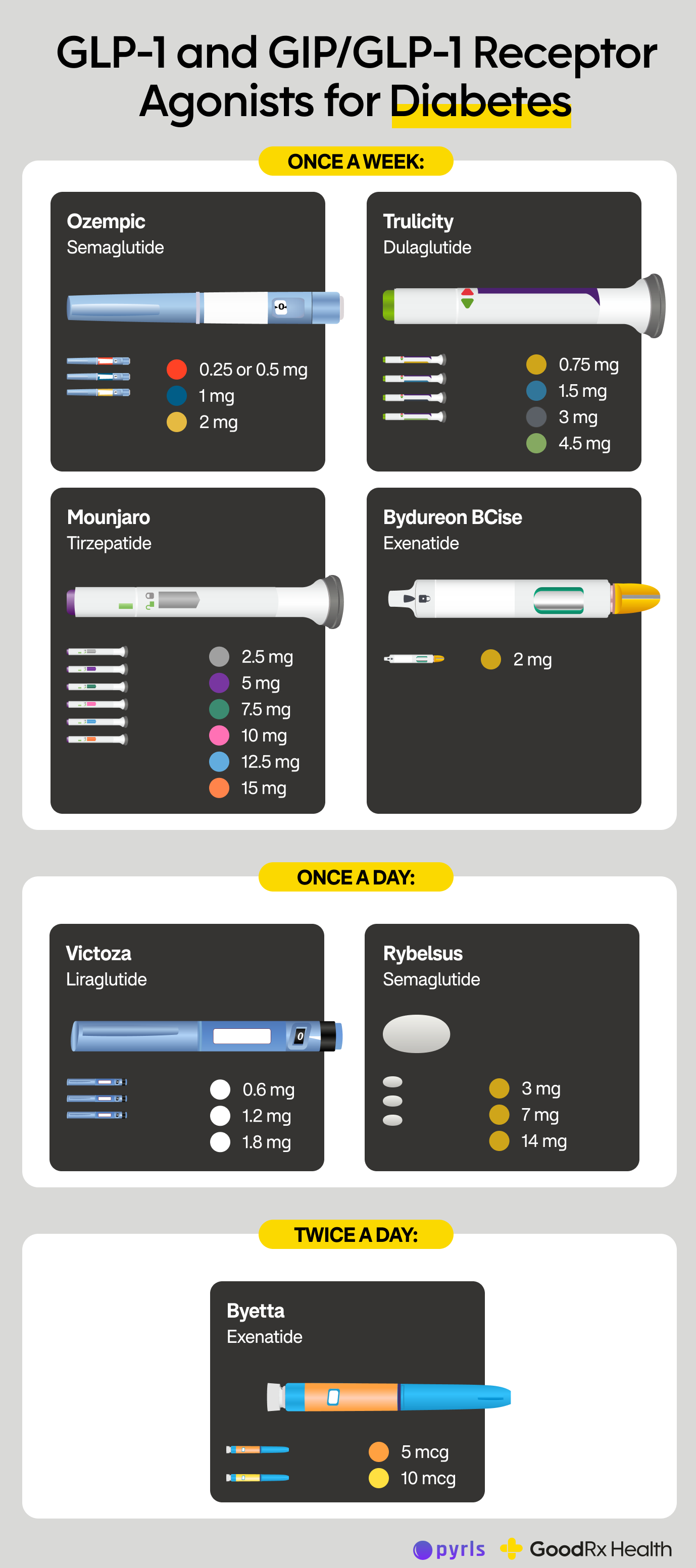
GLP-1 agonists are a class of medications that mimic the action of the naturally occurring hormone glucagon-like peptide-1, which is released in the gut after meals. These medications play a primary role in regulating blood glucose levels and appetite, making them an effective treatment for type 2 diabetes and obesity. GLP-1 agonists have been shown to improve glycemic control, promote weight loss, and reduce the risk of major adverse cardiovascular events.
The Connection between GLP-1 Agonists and Bone Health
Recent studies have suggested that GLP-1 agonists may have a positive effect on bone density, which is often compromised in individuals with pre-diabetes. Research has shown that GLP-1 agonists can stimulate the growth of new bone tissue, increase bone mineral density, and reduce the risk of fractures. This is particularly relevant for individuals with pre-diabetes, who are at a higher risk of developing osteoporosis and related fractures.