Using GLP-1 Agonist Medications During Pregnancy for Pre-Diabetes: A Comprehensive Guide
Glucagon-like peptide-1 (GLP-1) agonist medications have revolutionized the treatment of type 2 diabetes and obesity. However, their use during pregnancy, particularly for women with pre-diabetes, remains a topic of concern. In this article, we will delve into the world of GLP-1 agonists, exploring their effects on pregnancy and pre-diabetes management.
What Are GLP-1 Agonist Medications?
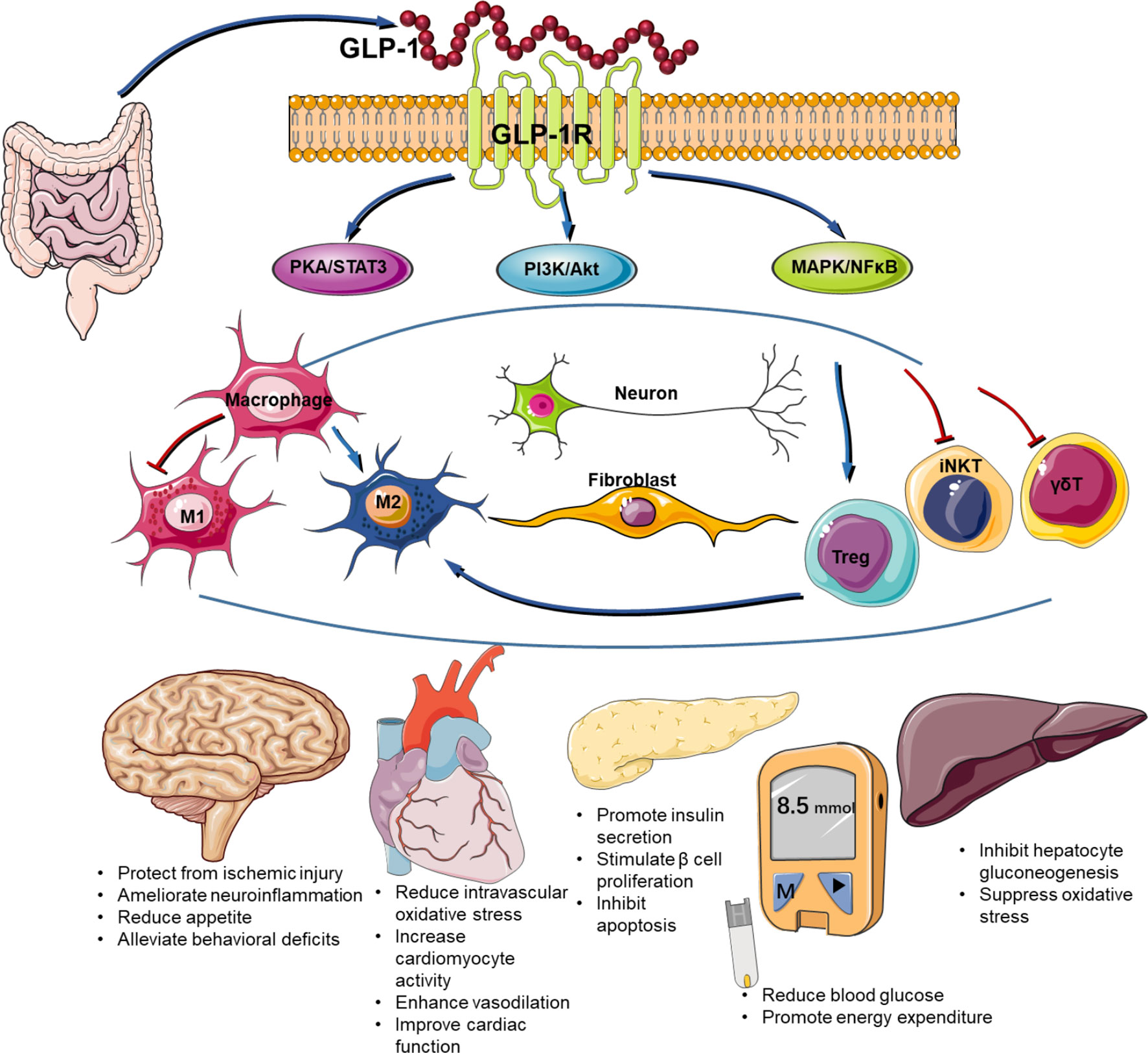
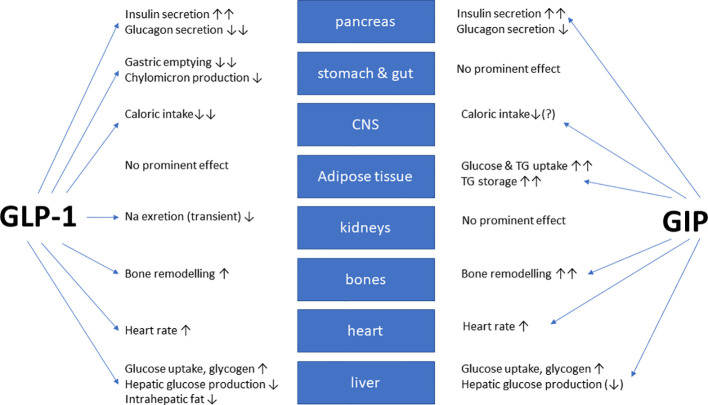
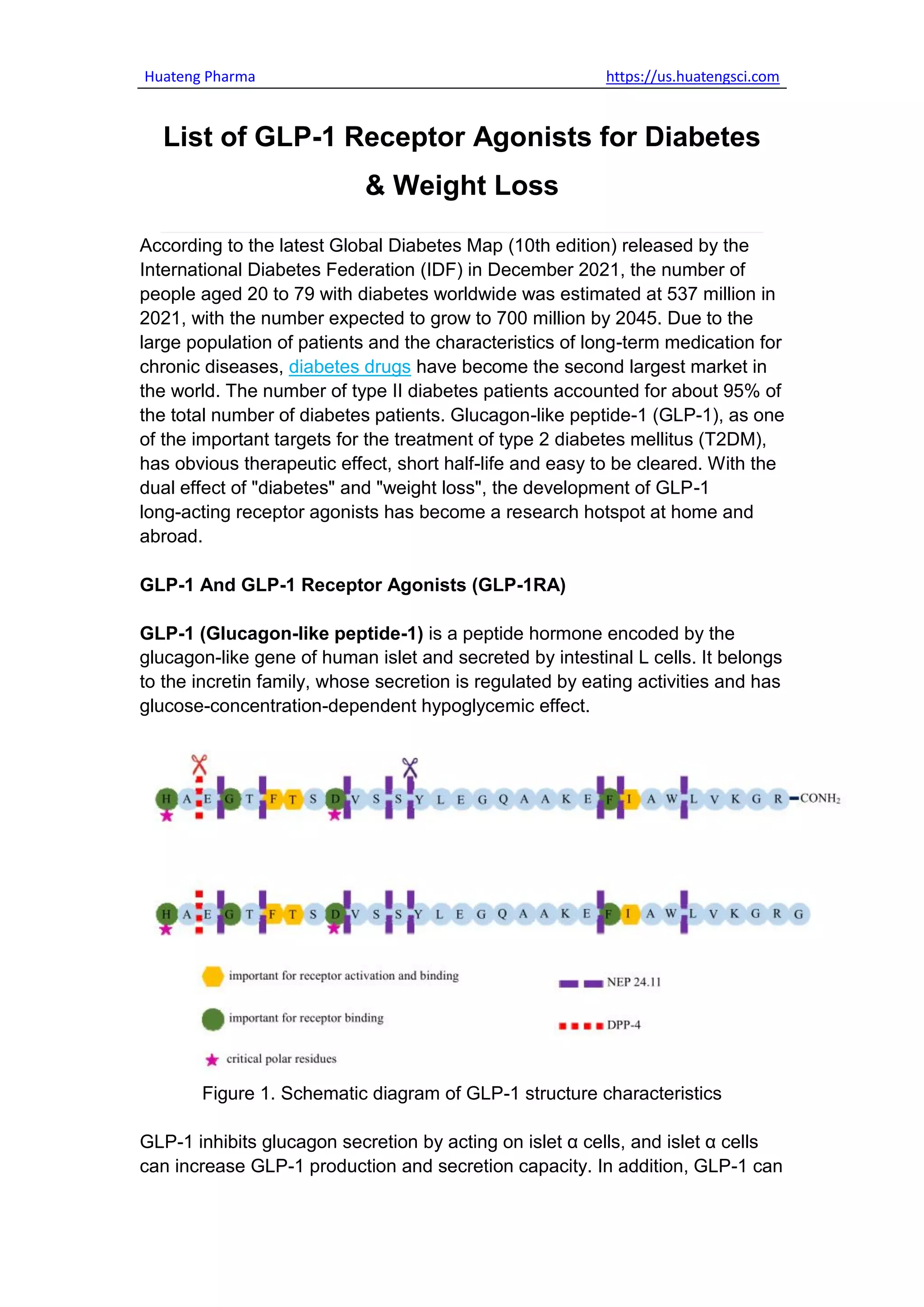
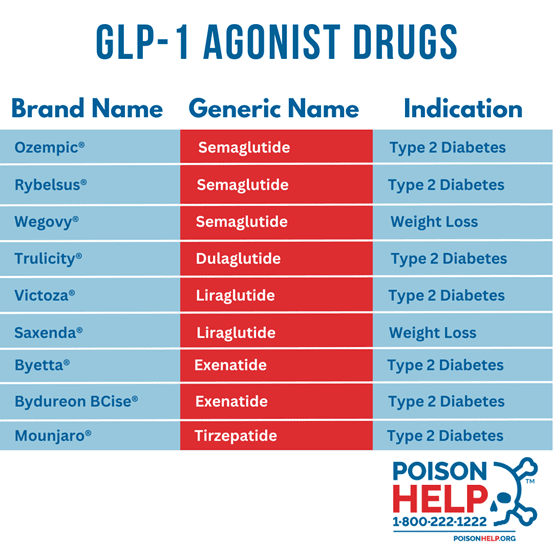
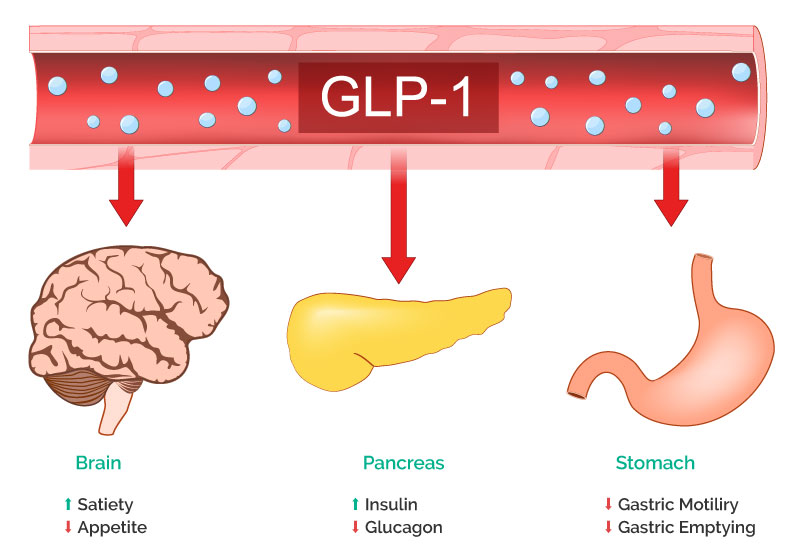
GLP-1 agonist medications are peptide analogues that mimic the action of the naturally occurring hormone GLP-1. These medications are used to treat type 2 diabetes and obesity by regulating blood sugar levels, appetite, and weight. GLP-1 agonists work by stimulating insulin release, slowing gastric emptying, and reducing glucagon levels.
The Risks of GLP-1 Agonist Medications During Pregnancy
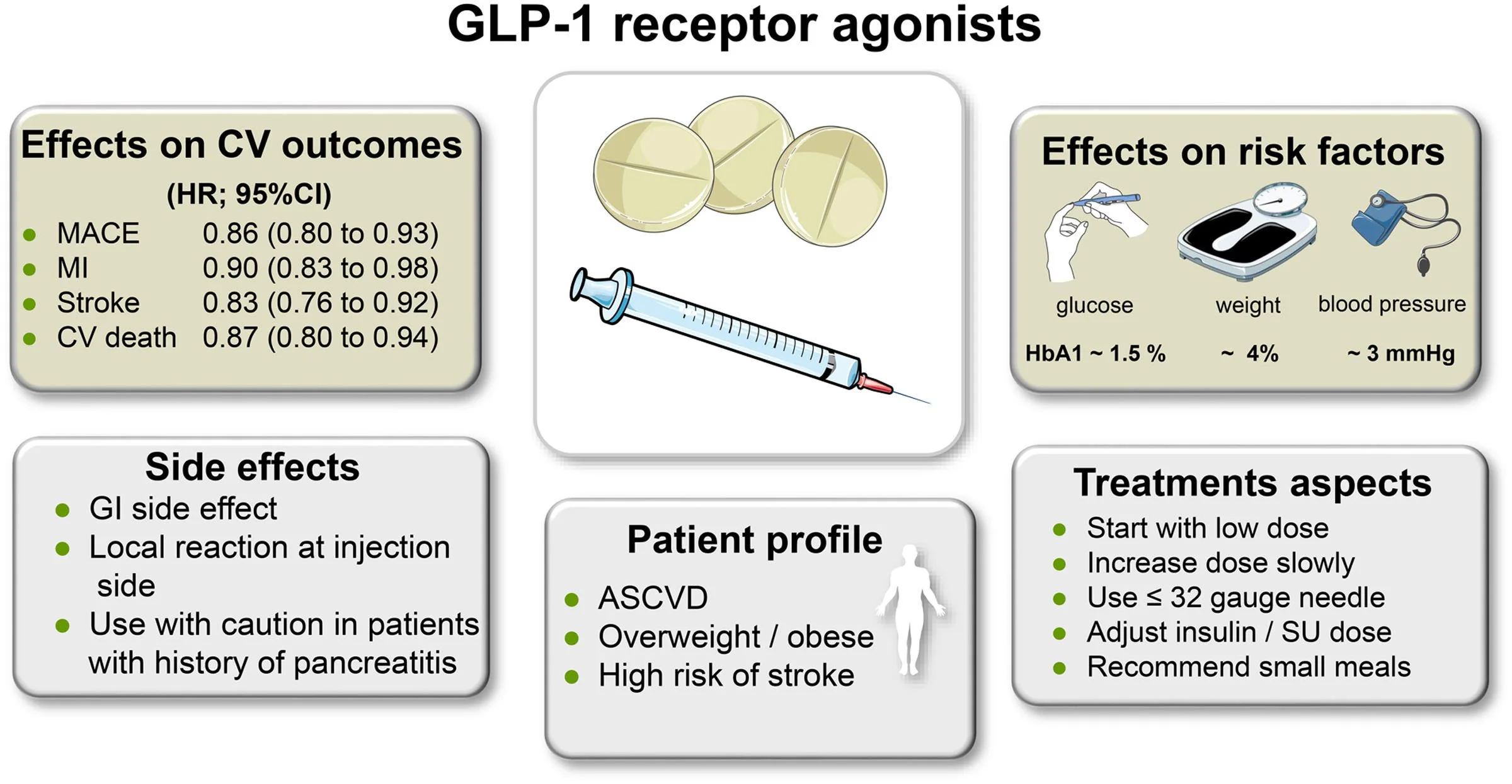
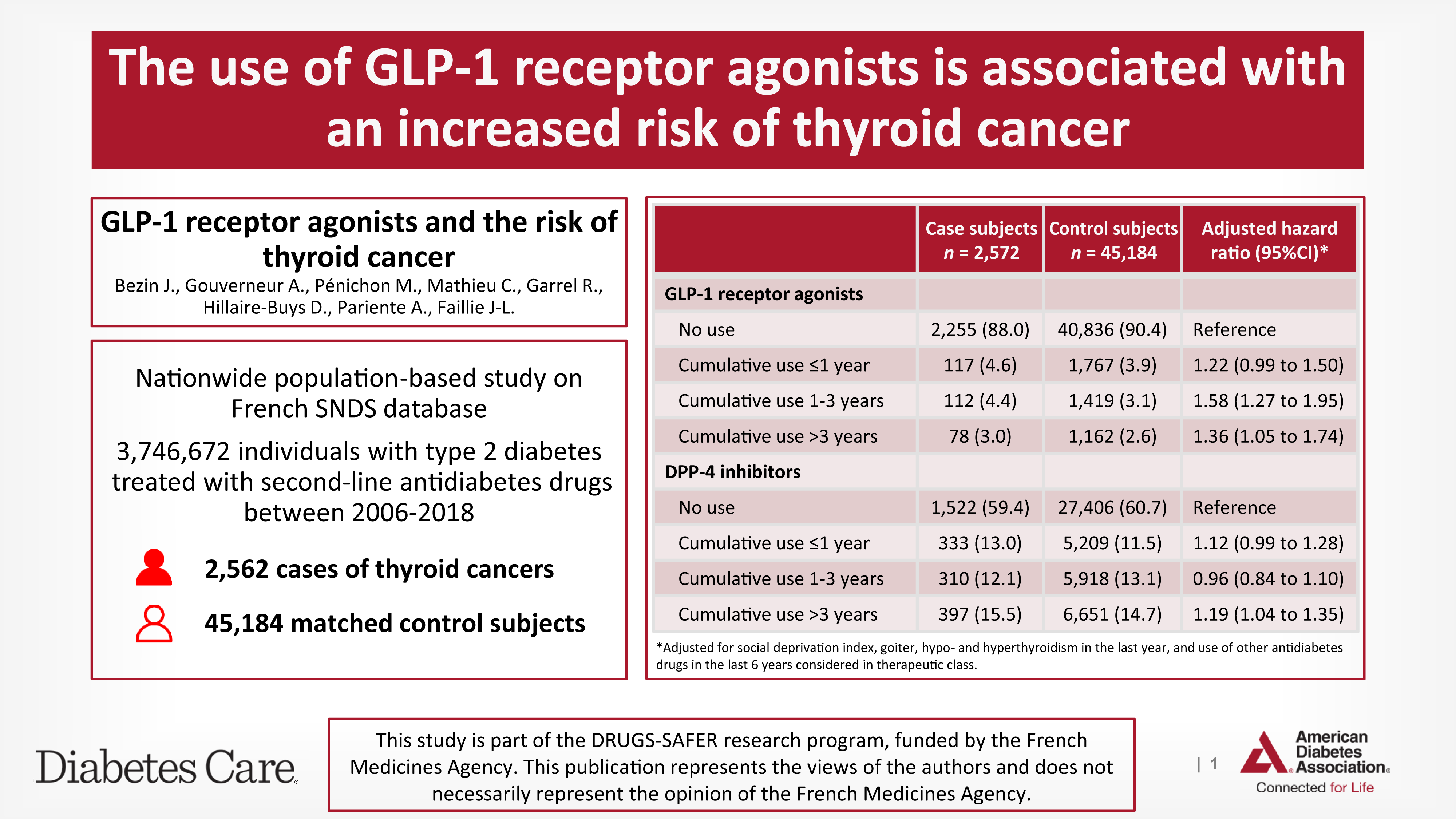
The use of GLP-1 agonist medications during pregnancy is a complex issue. While these medications are not licensed for use during pregnancy, some women may inadvertently become pregnant while taking these medications. Research has shown that GLP-1 agonist medications may increase the risk of preterm birth and gestational weight gain.
Pre-Conception Counselling for GLP-1 Agonist Medications
Pre-conception counselling is essential for women taking GLP-1 agonist medications. This involves discussing the risks and benefits of these medications and the importance of discontinuing them at least two months before planned conception. It is also crucial to weigh the risks of pre-diabetes and its potential impact on pregnancy outcomes.