Tree Pruning Safety: A Guide to Safe Pruning Practices
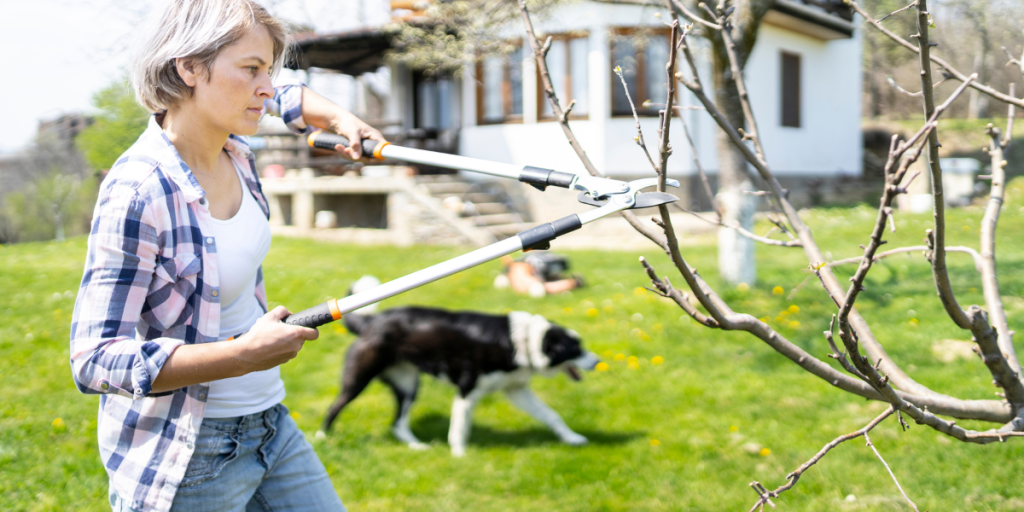
Tree pruning is an essential part of maintaining the health and appearance of trees. However, it can also be a hazardous task if not done properly. In this article, we will discuss the importance of tree pruning safety and provide guidelines on how to prune trees safely.
Why Tree Pruning Safety is Important
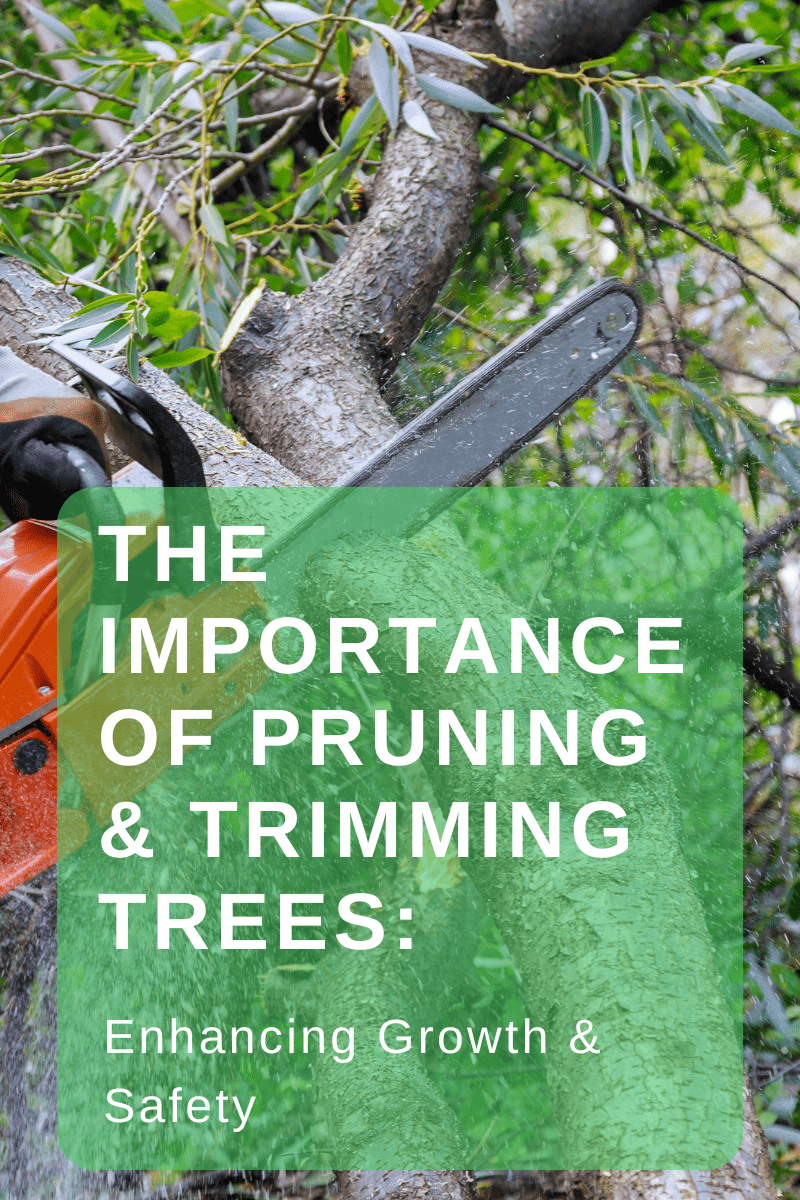
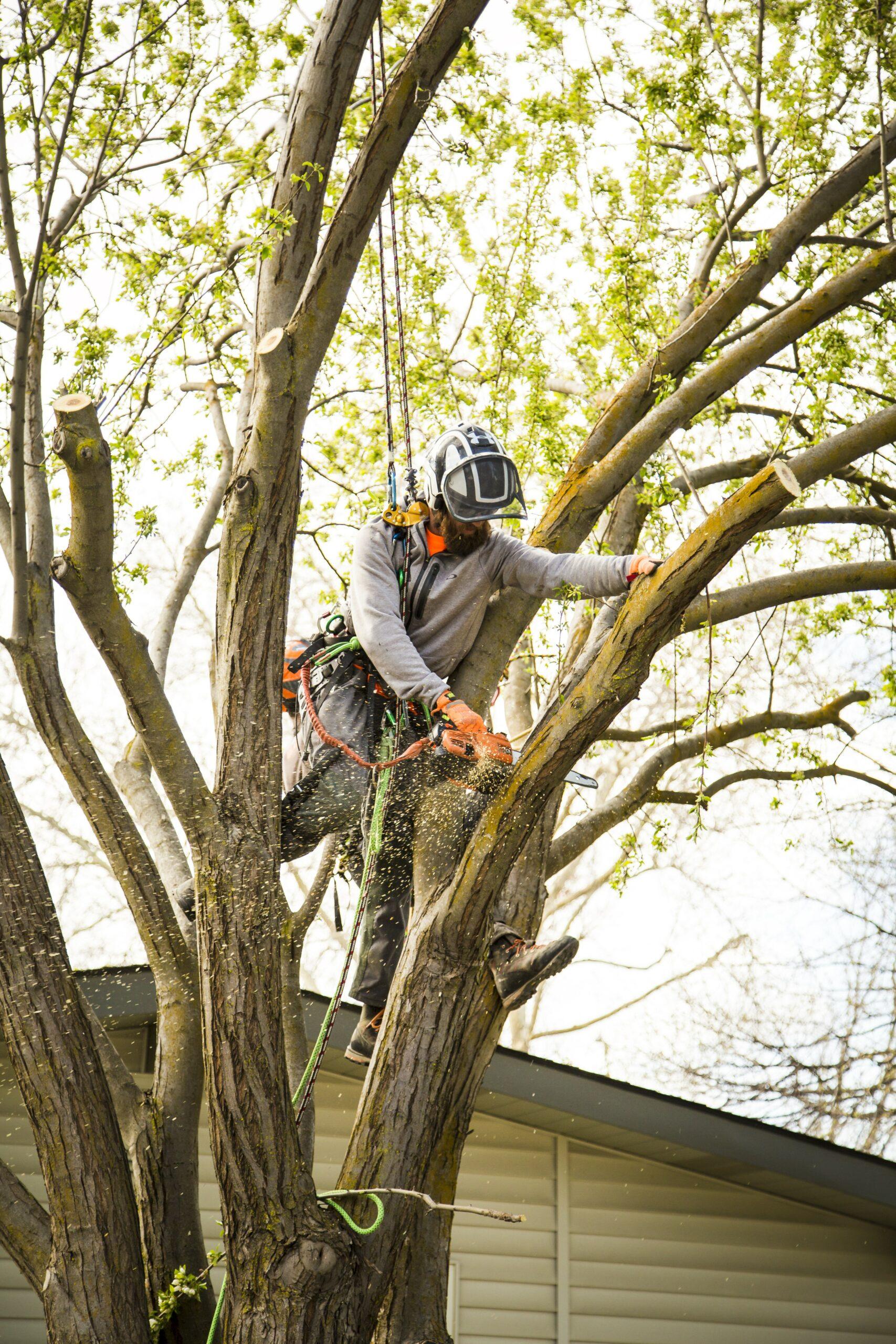
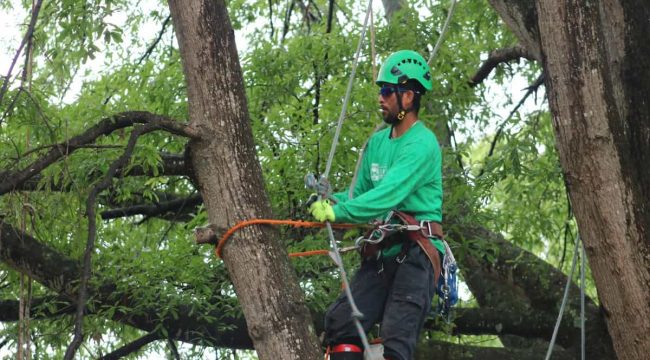
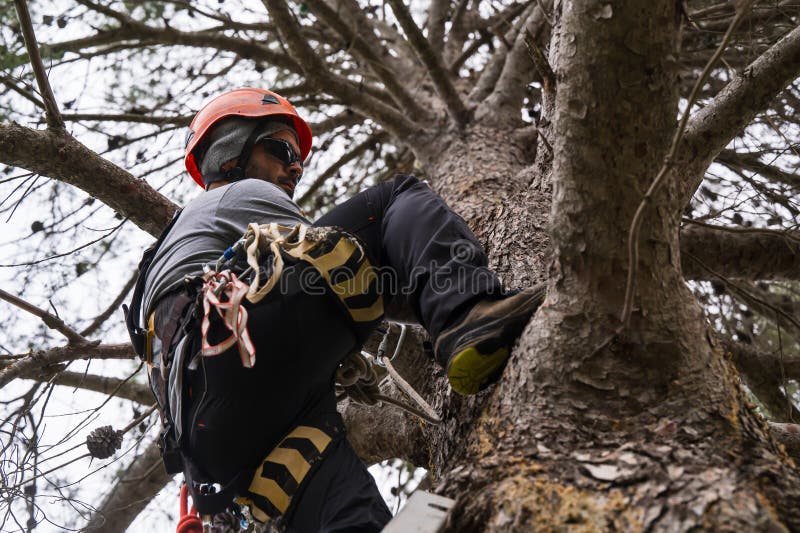
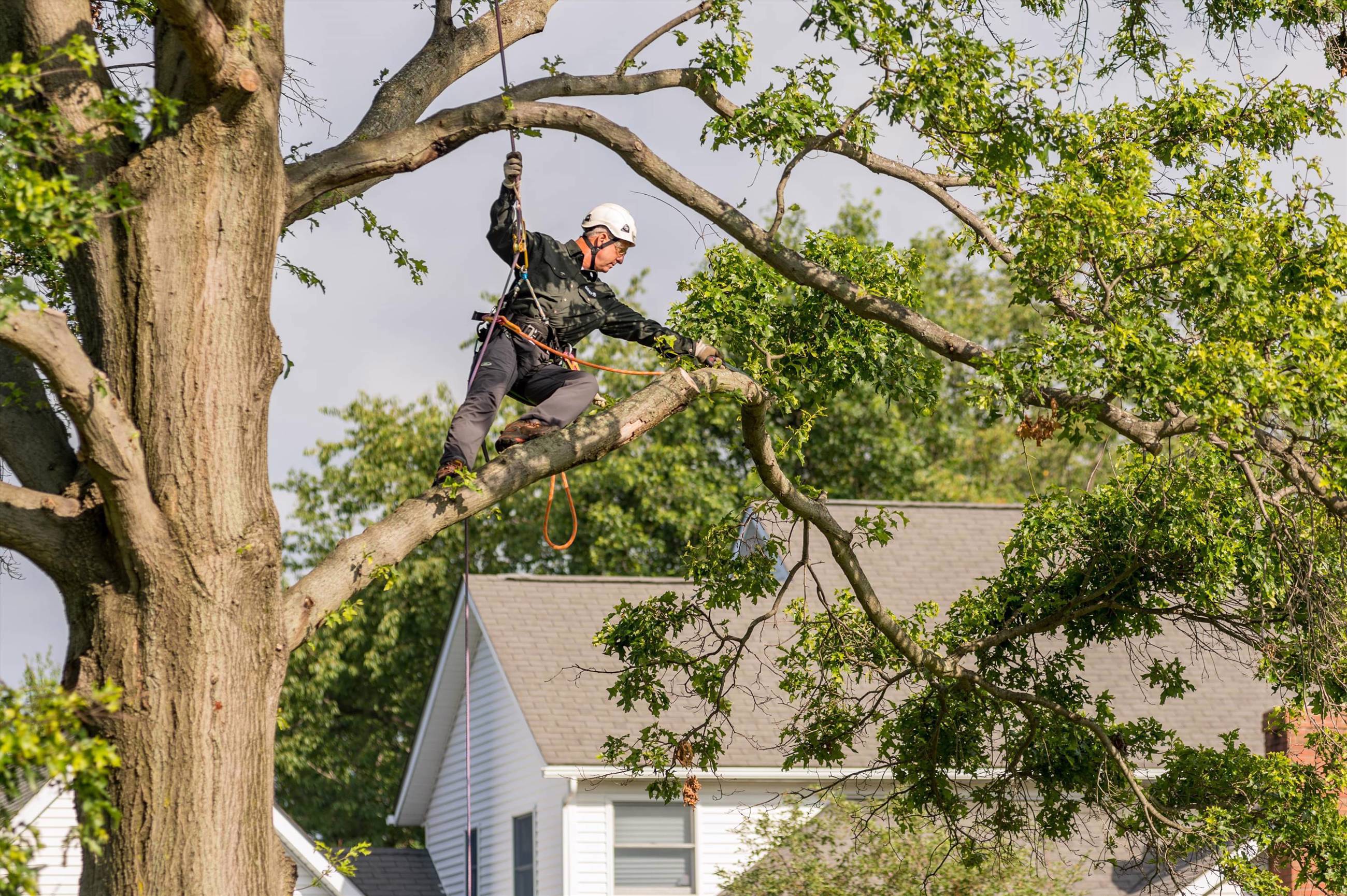
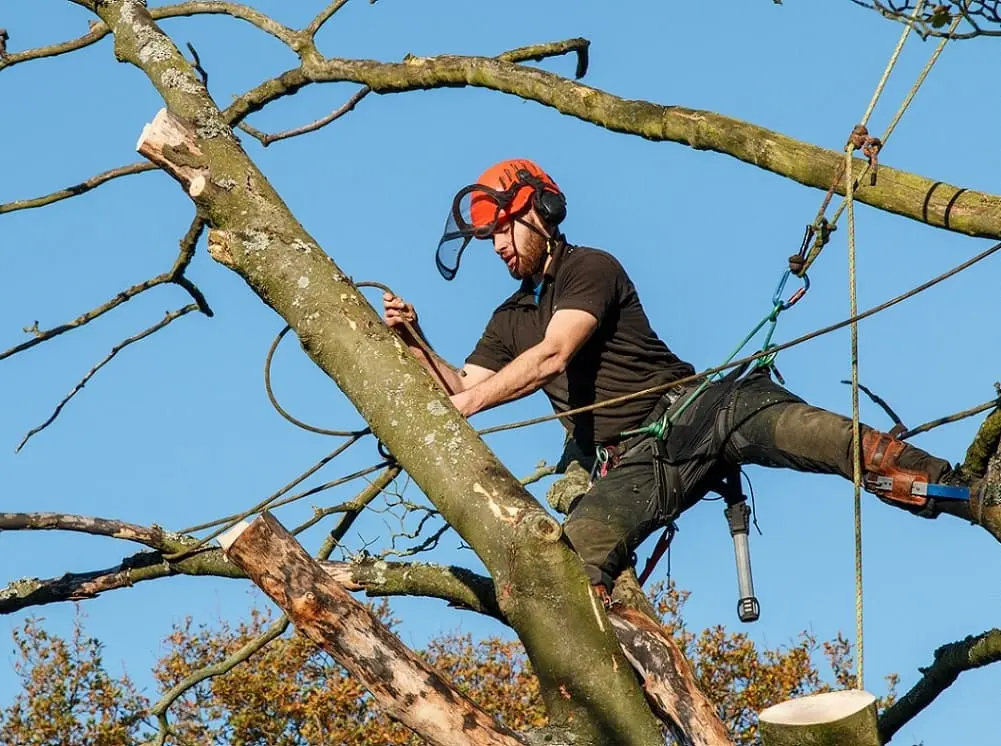
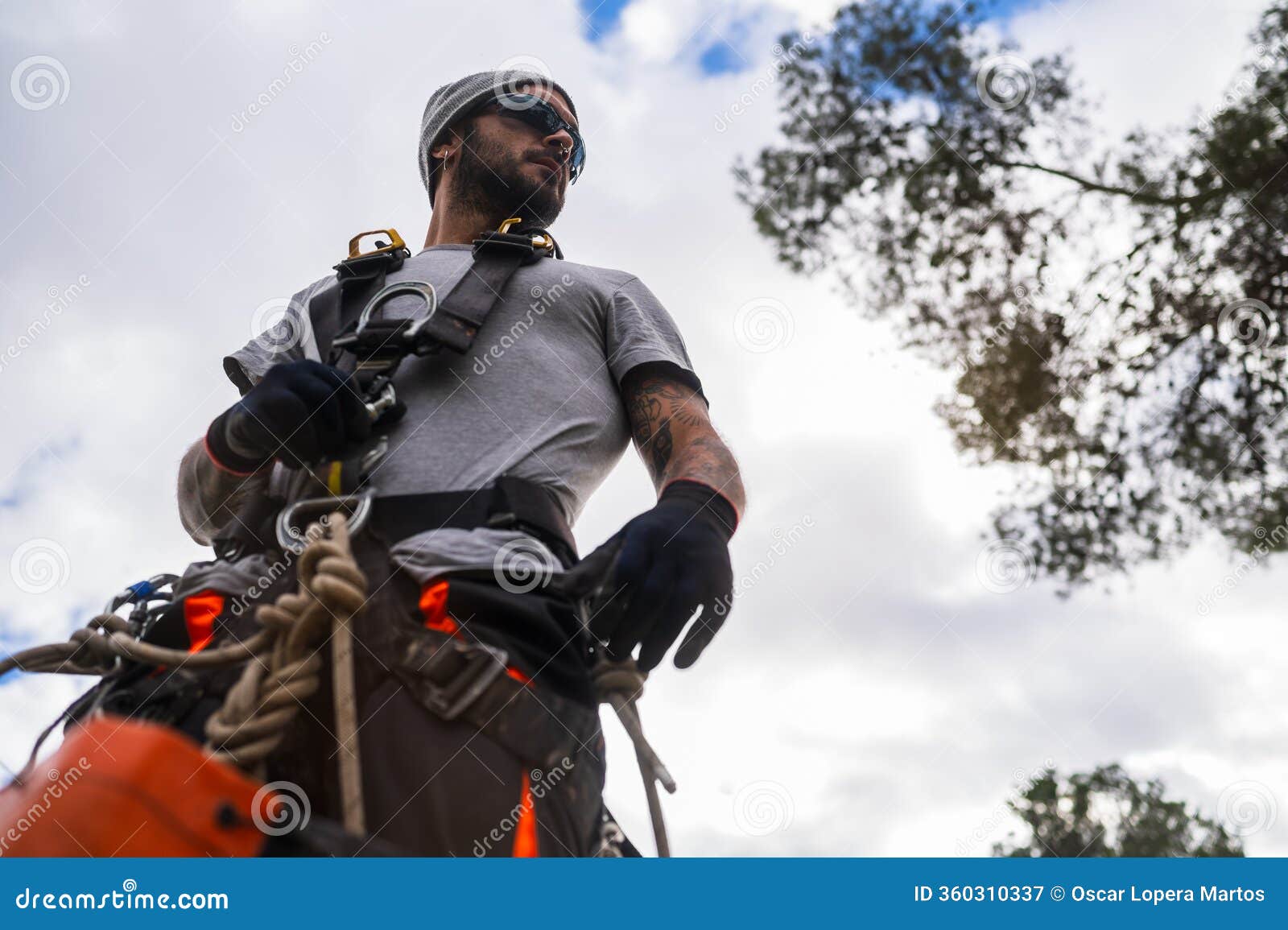
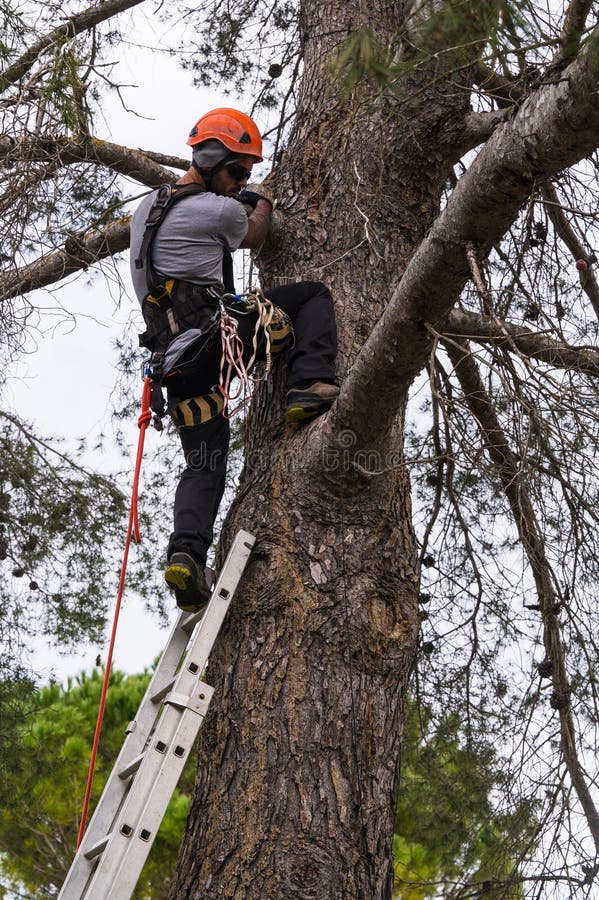
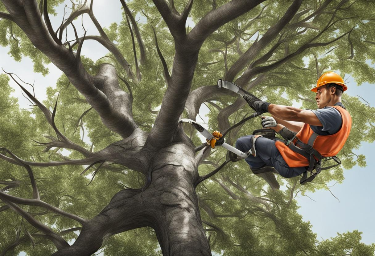
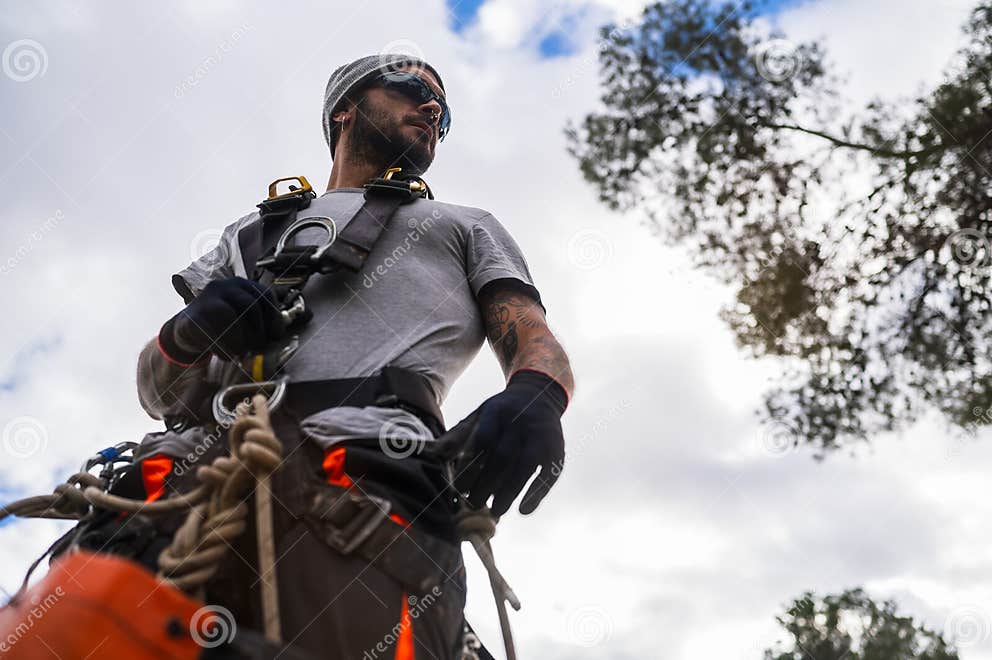
Tree pruning involves working at heights with chainsaws and hand tools, managing falling branches, and assessing tree stability. This high-risk work requires qualified arborists with proper climbing equipment and rescue capability. If not done correctly, tree pruning can lead to injuries, property damage, and even fatalities. Therefore, it is essential to prioritize tree pruning safety.
Pre-Pruning Safety Checklist
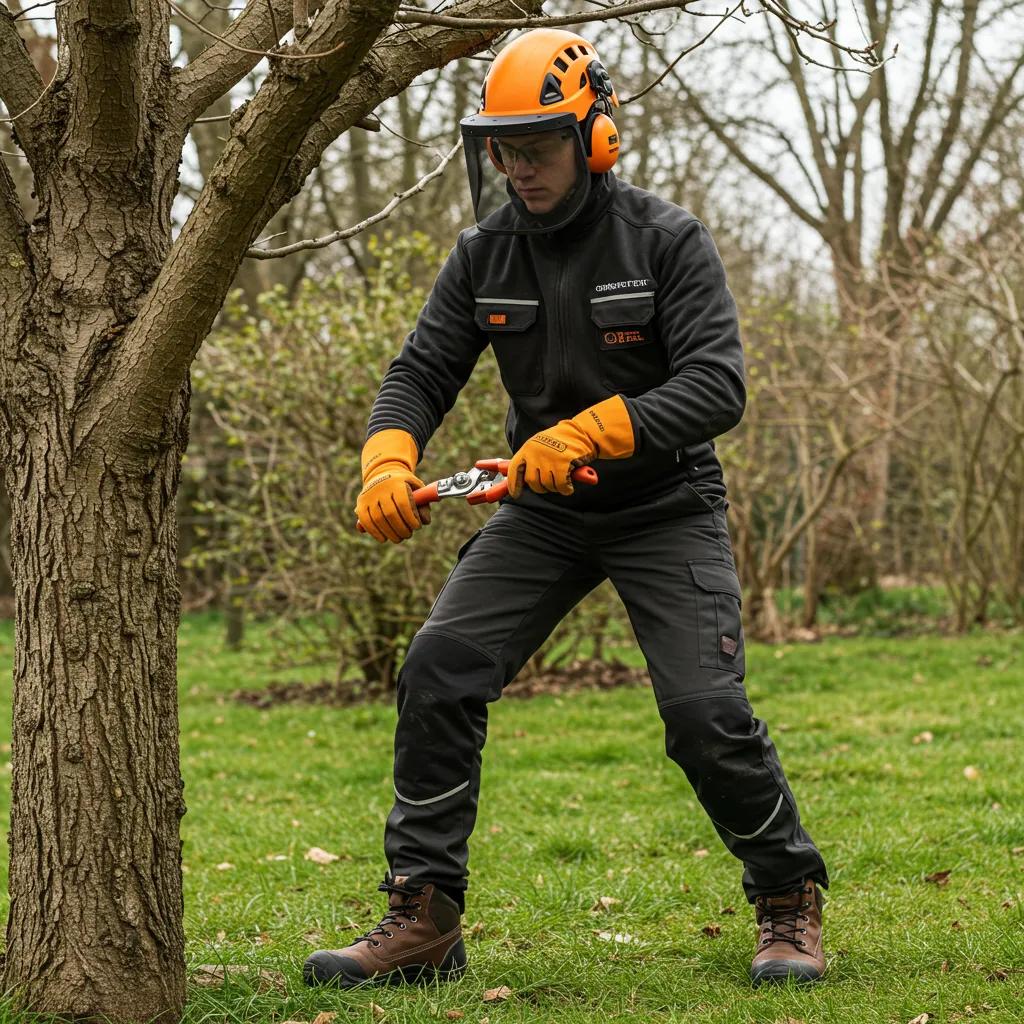
- Assess the tree's condition and structure before pruning.
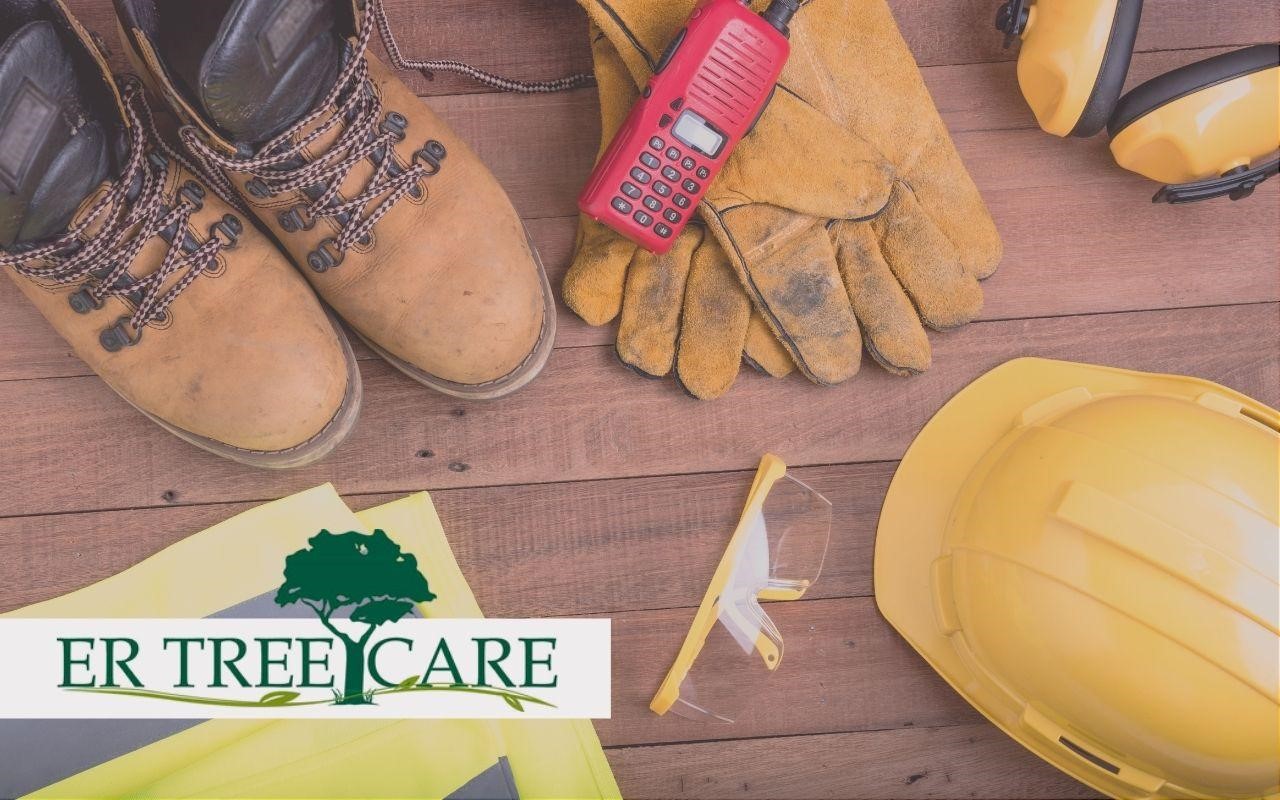
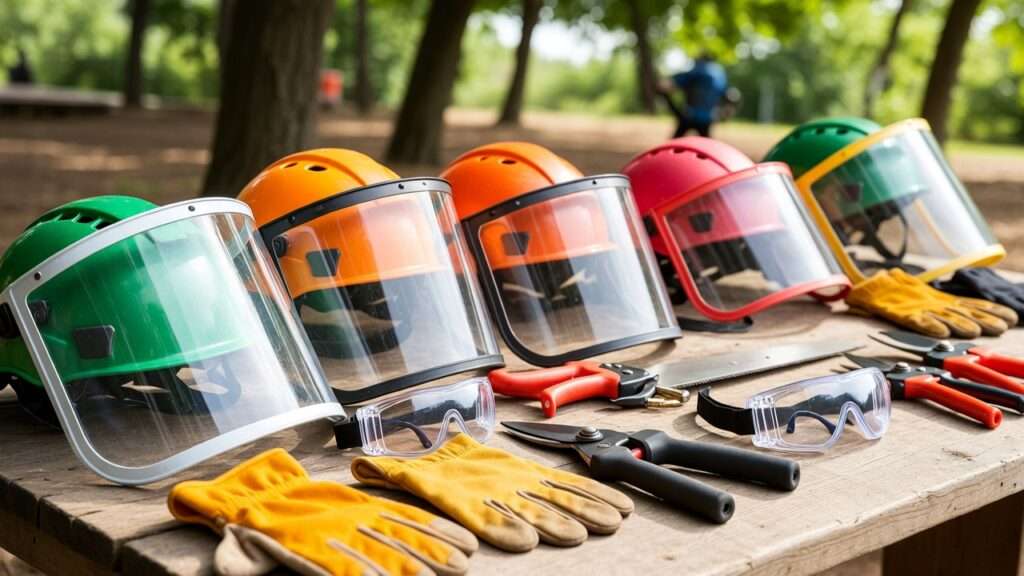
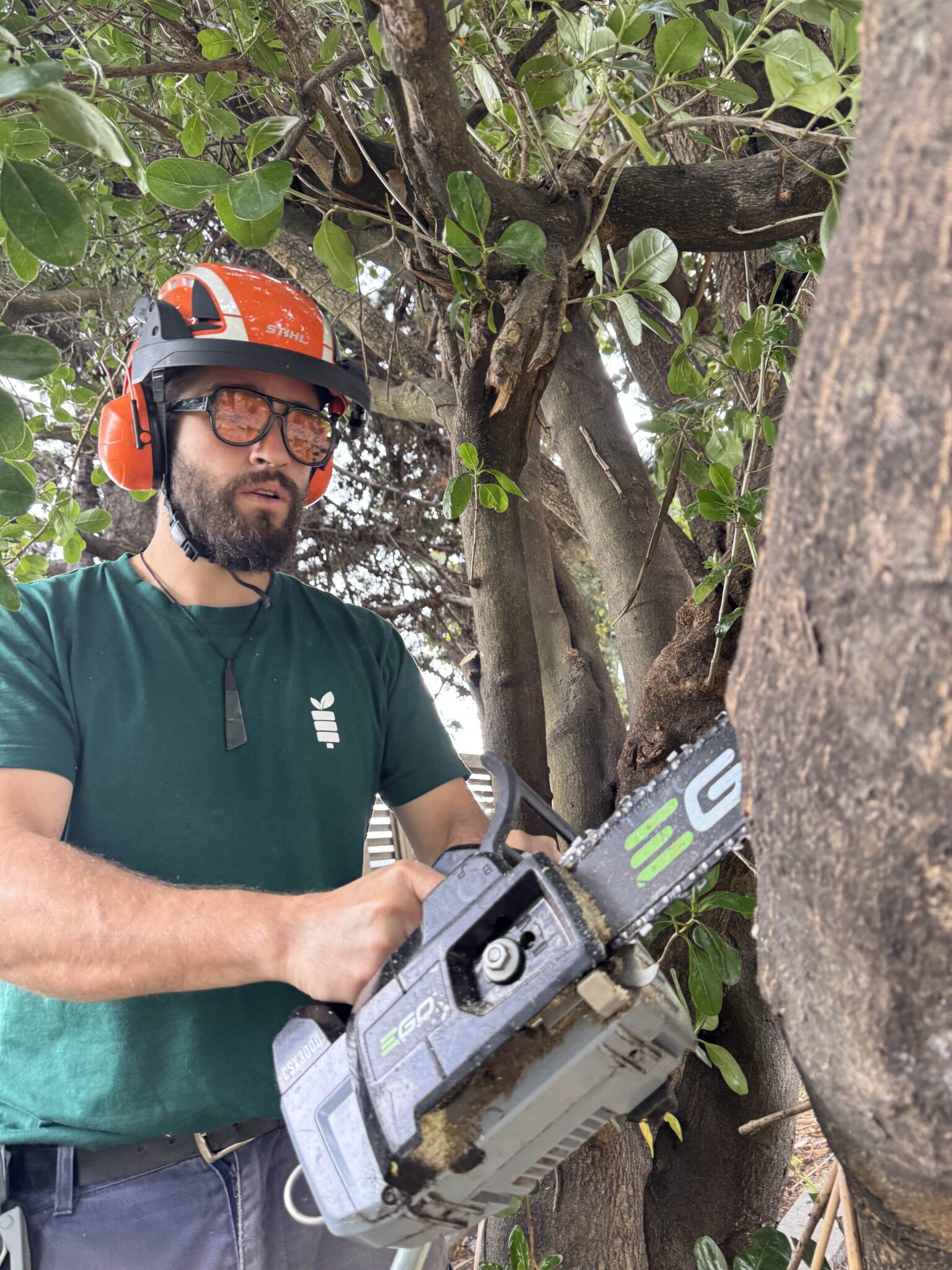
- Use proper personal protective equipment (PPE), such as safety glasses, gloves, long sleeves, and closed-toe shoes.
- Ensure the pruning site is clear of obstacles and tripping hazards.
- Have a second person on standby in case of an emergency.
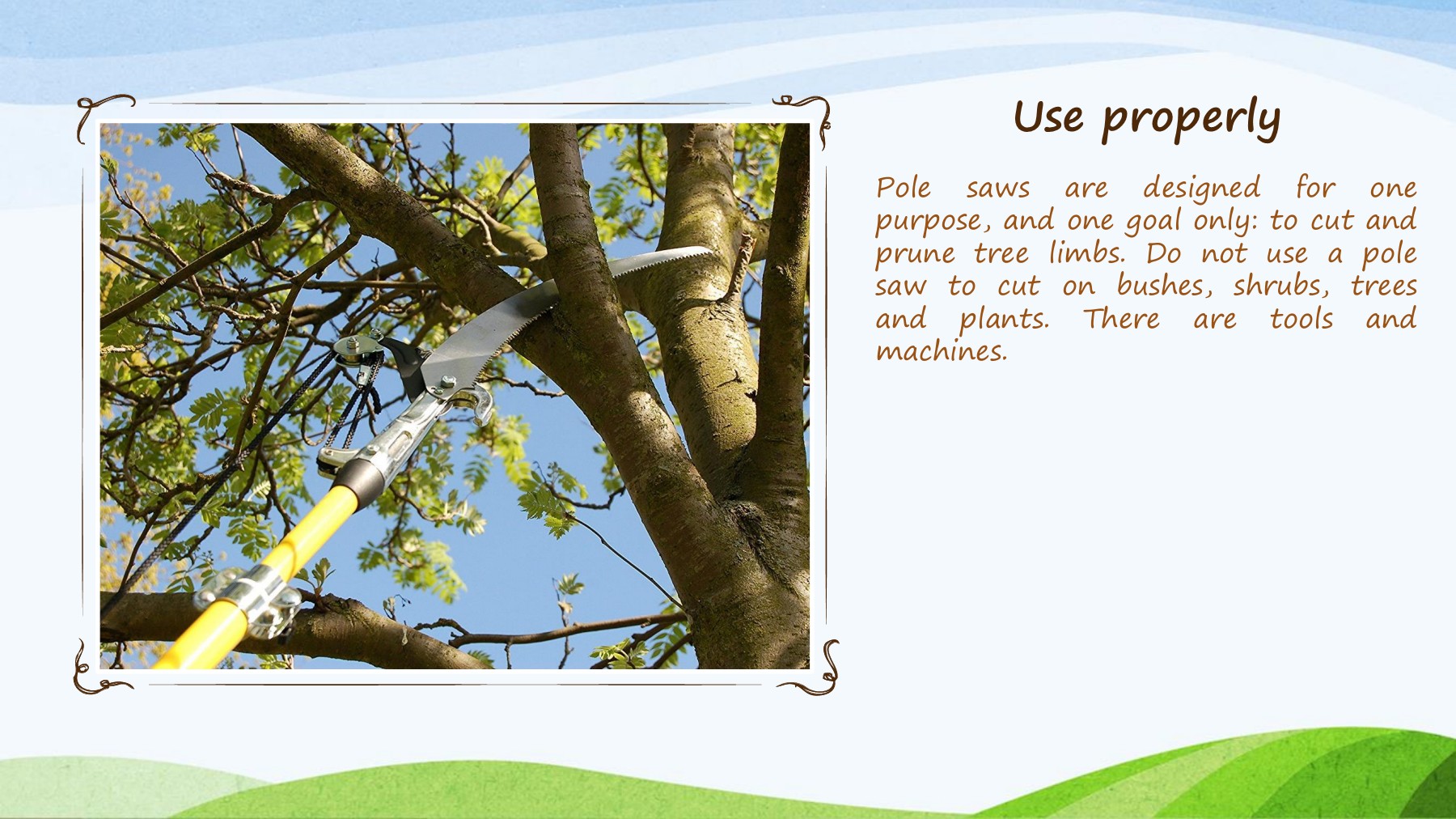
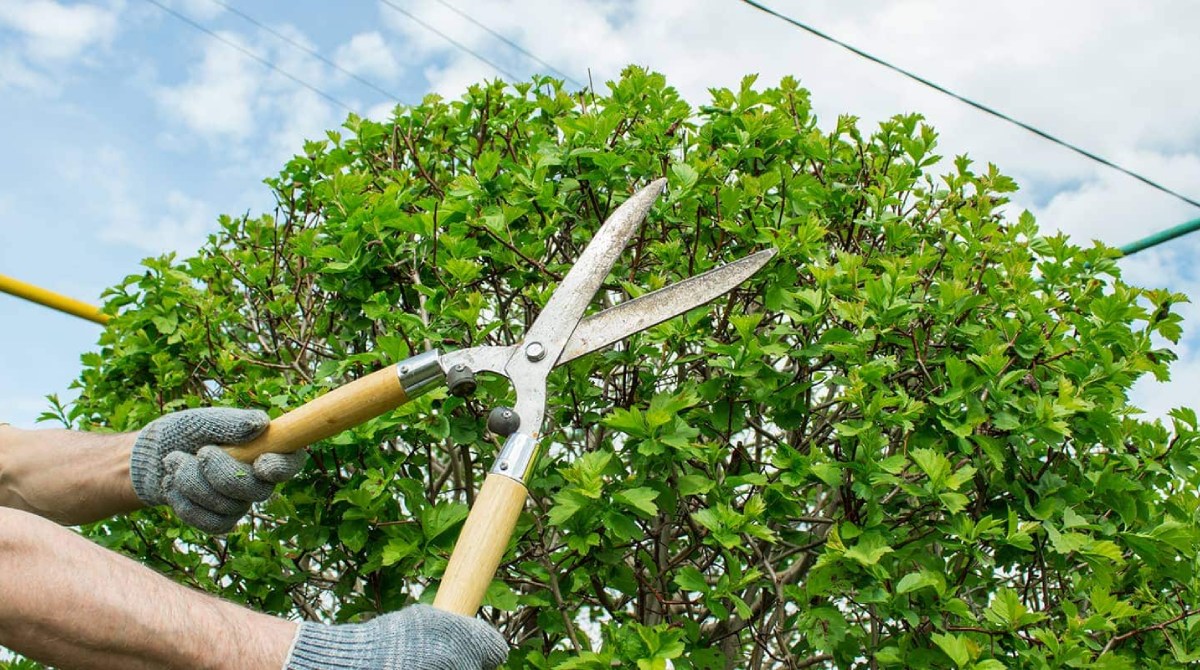
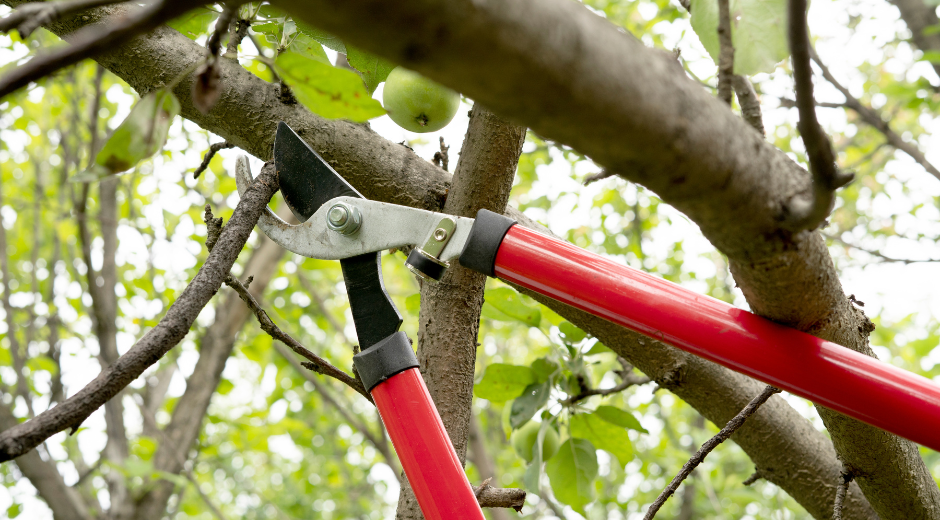
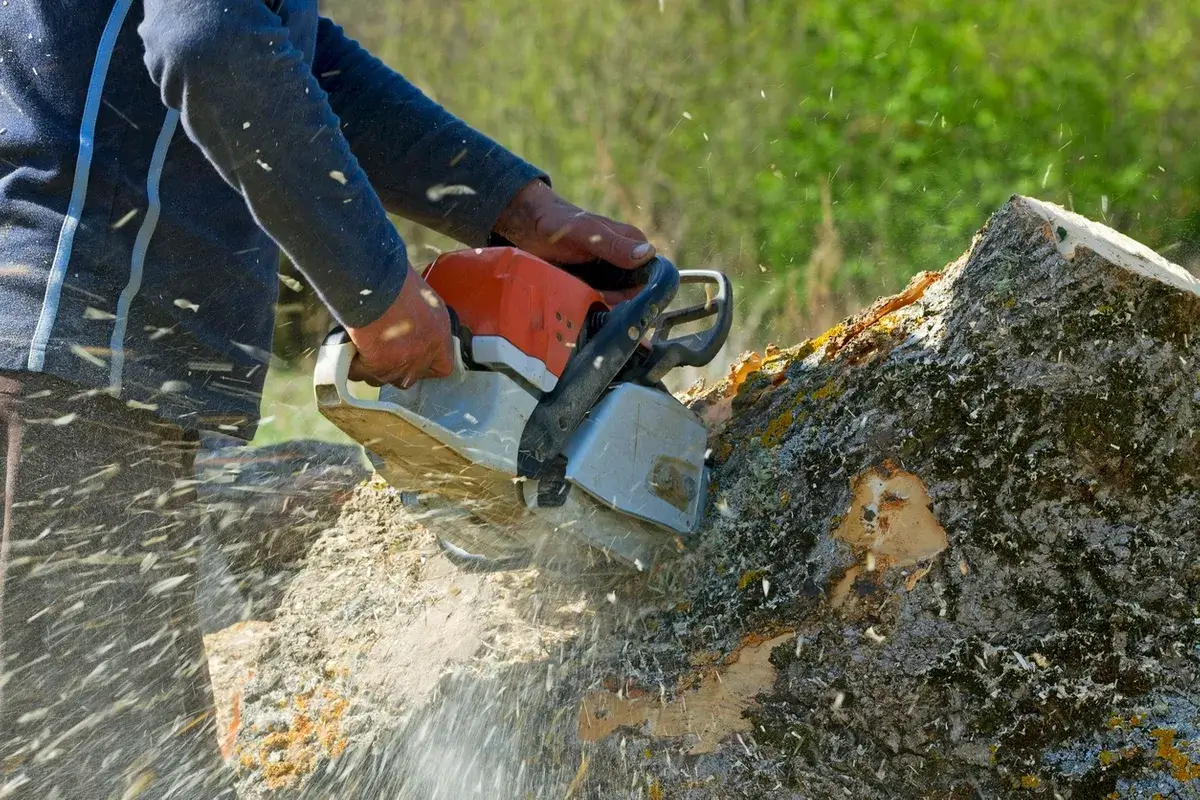
- Use the right tools for the job, such as a chainsaw with a sharp blade and a pruning saw for smaller branches.
Pruning Safety Tips
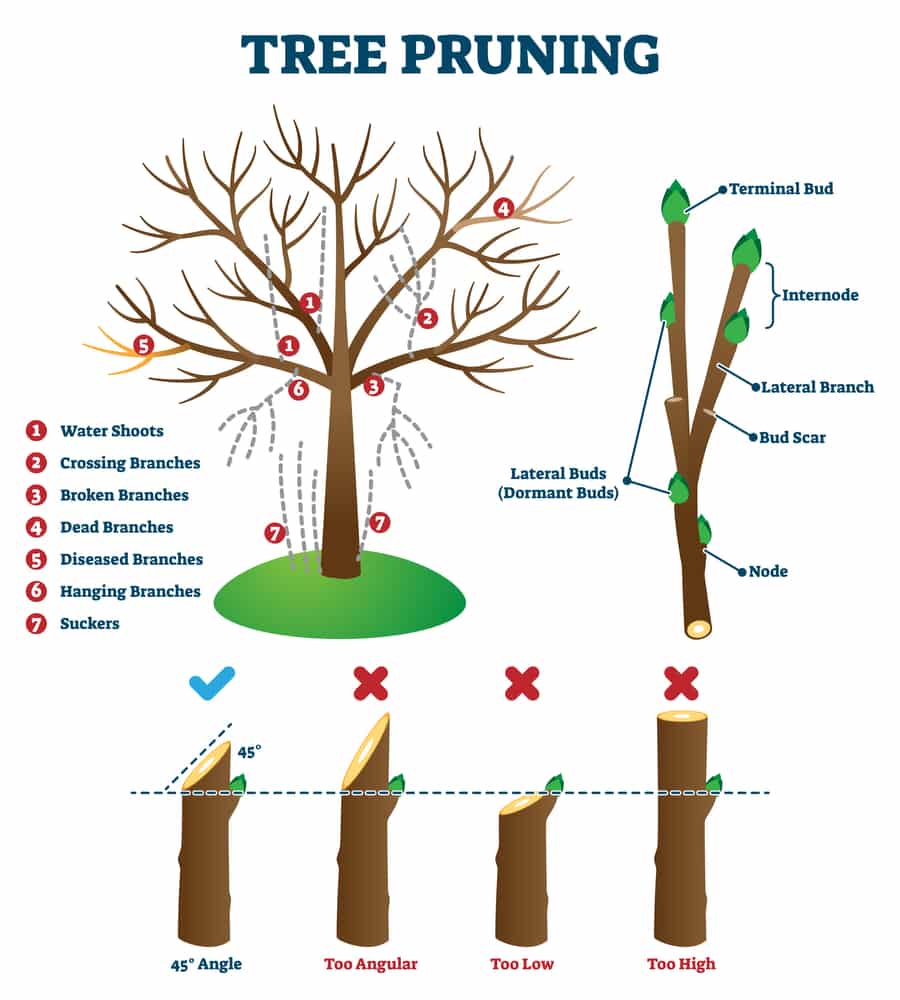
- Prune branches that are dead, diseased, or damaged first.
- Prune branches that are growing towards power lines or other hazards.
- Prune branches that are rubbing against other branches or the trunk.
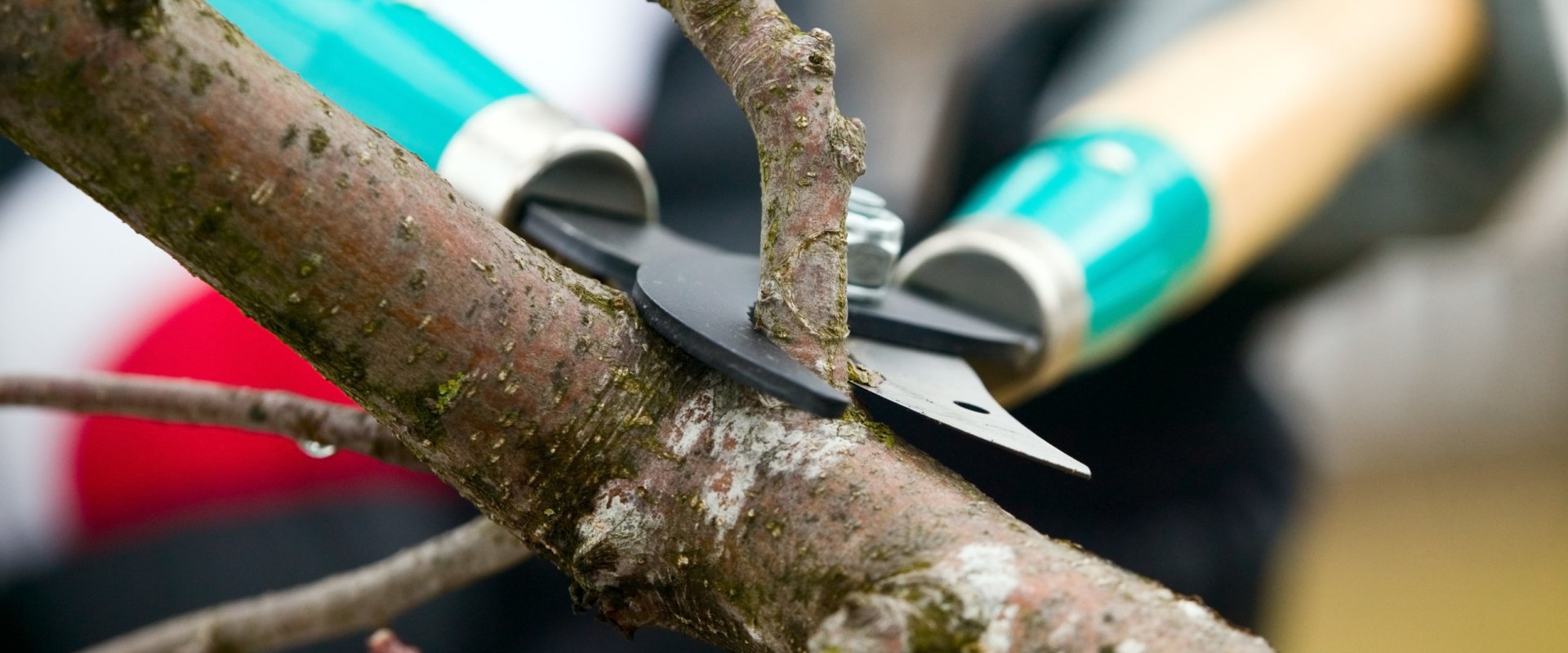
- Make clean cuts, using a 45-degree angle to prevent water from accumulating in the cut area.
- Avoid over-pruning, which can stress the tree and make it more susceptible to disease and pests.