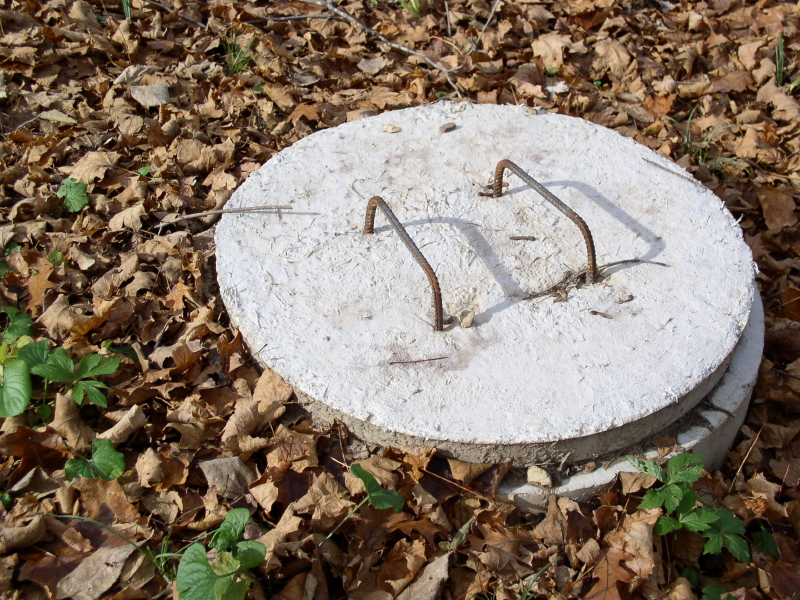
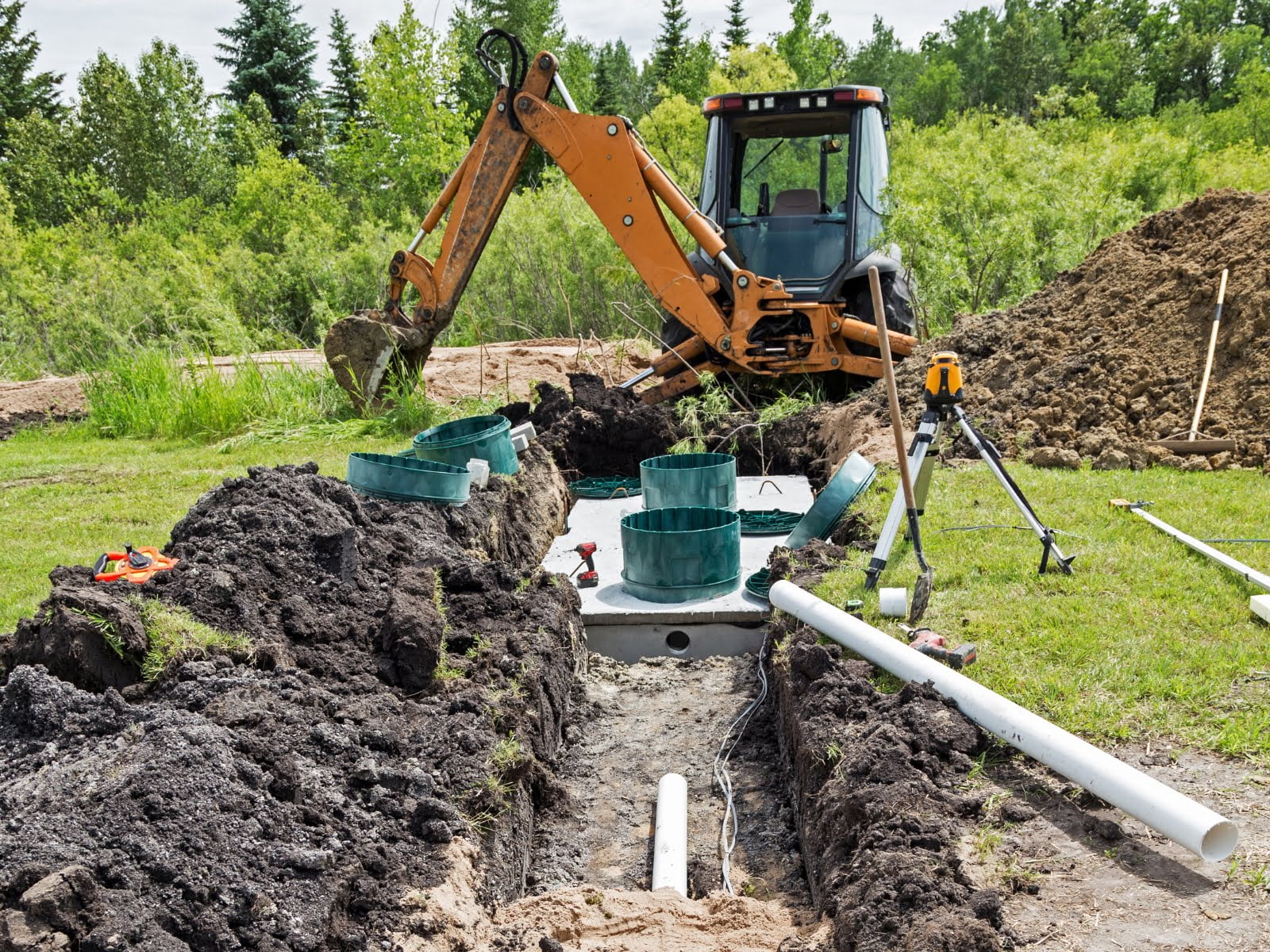
Septic Tank Inspection and Diagnosis: A Comprehensive Guide
As a homeowner, understanding the importance of septic tank inspection and diagnosis is crucial to maintaining a healthy and efficient septic system. A properly functioning septic system is essential for protecting your property, ensuring public health and safety, and preventing costly repairs. In this article, we will delve into the world of septic tank inspection and diagnosis, exploring the benefits, process, and importance of regular inspections.
Why Septic Tank Inspection and Diagnosis Matters
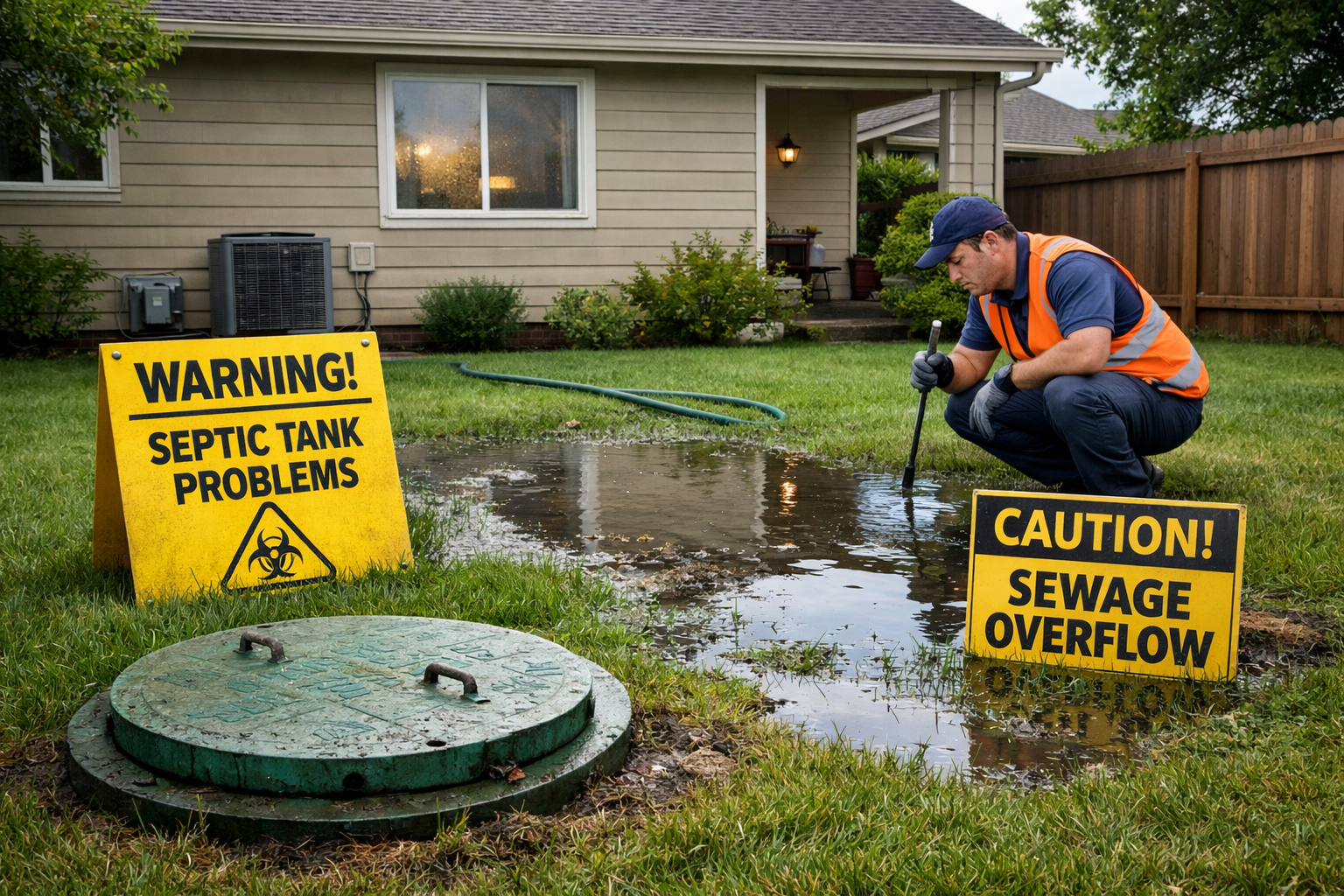
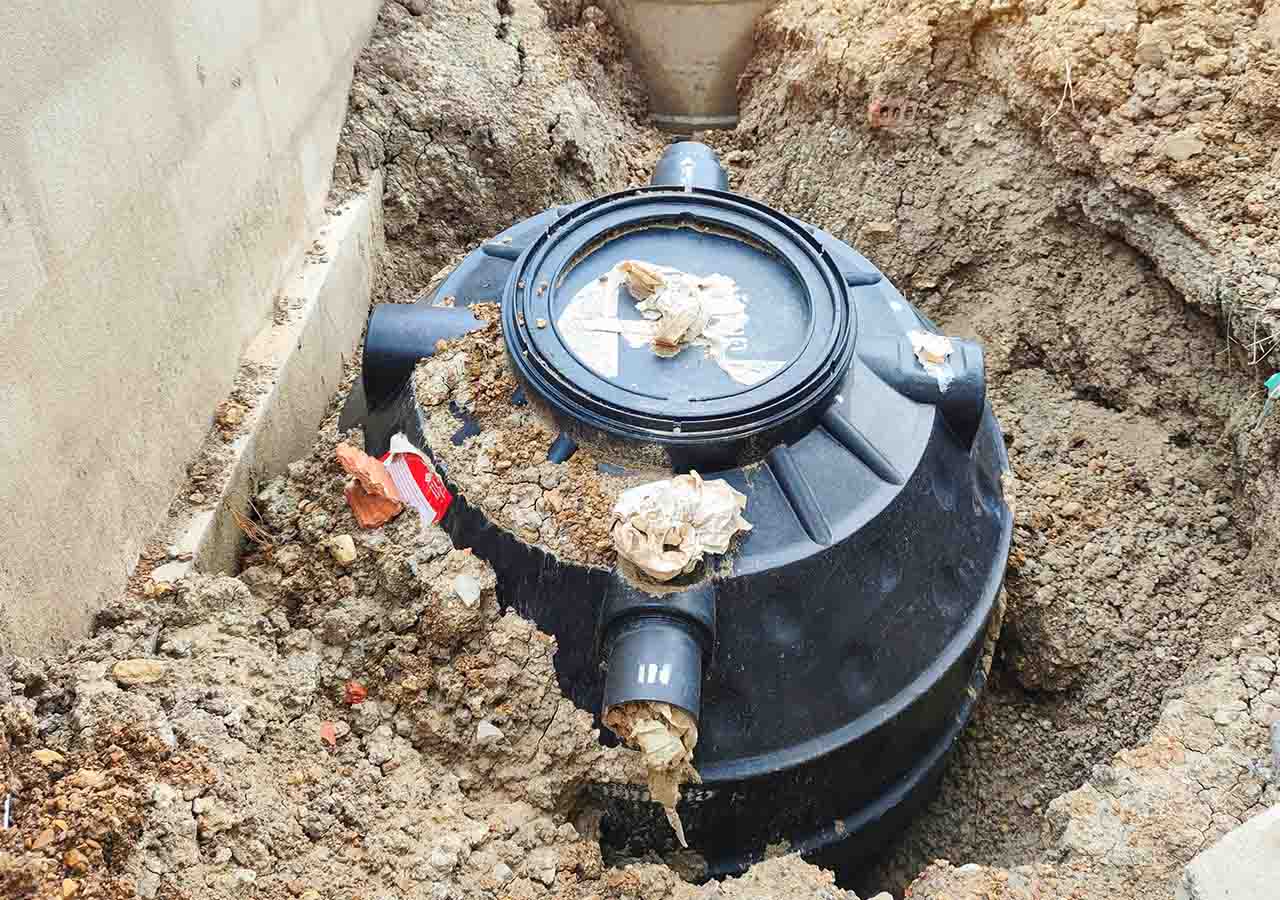
A septic tank inspection and diagnosis is a professional evaluation of your home's septic system to ensure it's functioning properly and meets local health and safety standards. The goal of an inspection is to identify any potential issues that could lead to system failure, such as clogs, leaks, or structural damage. Regular inspections can help homeowners avoid unpleasant surprises, such as sewage backups or costly replacements.
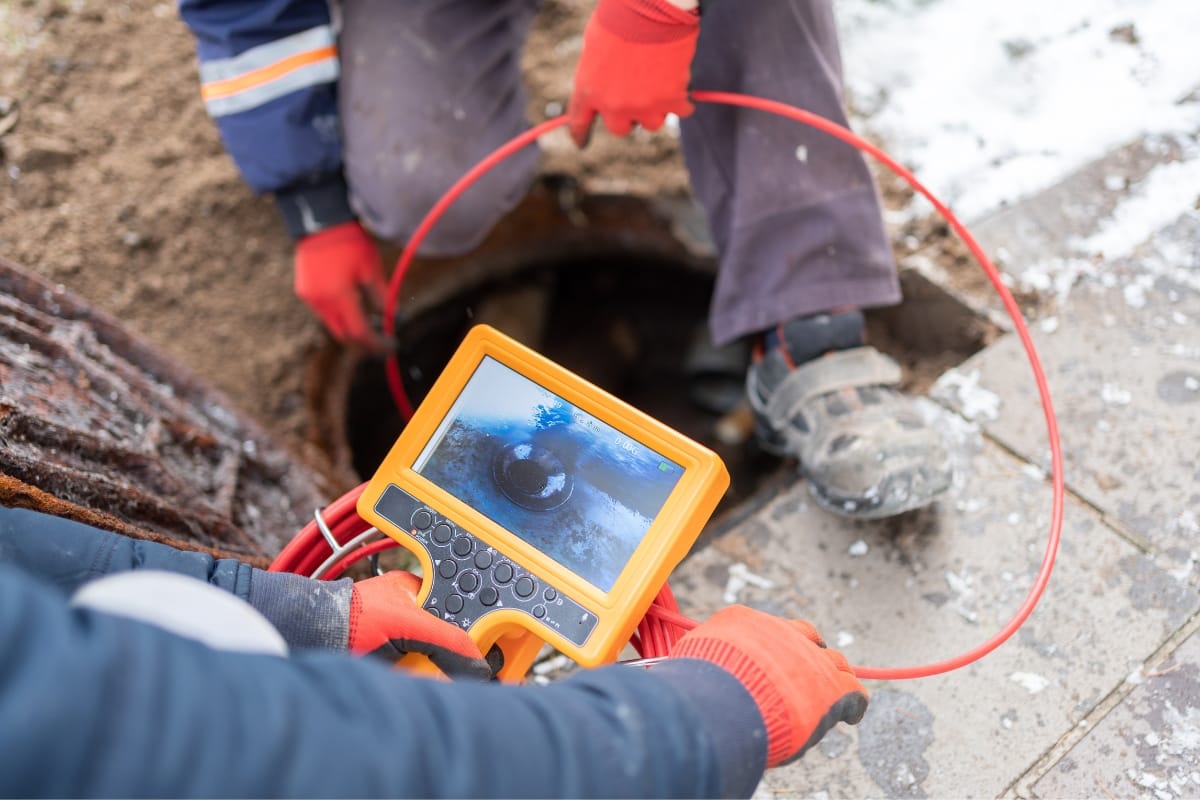
The Inspection Process
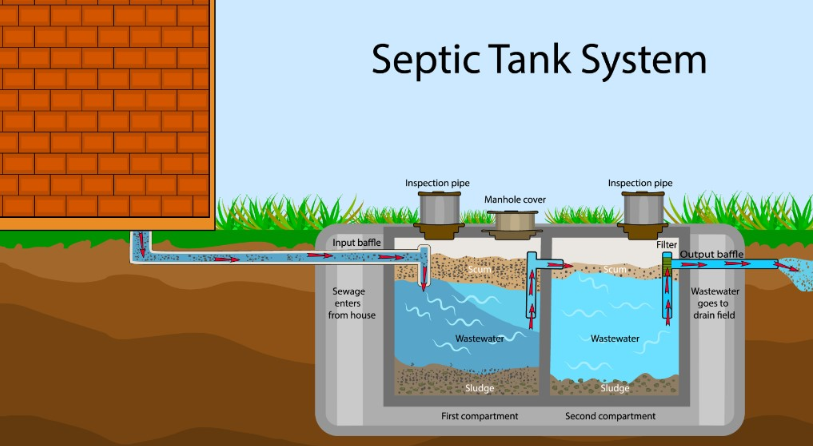
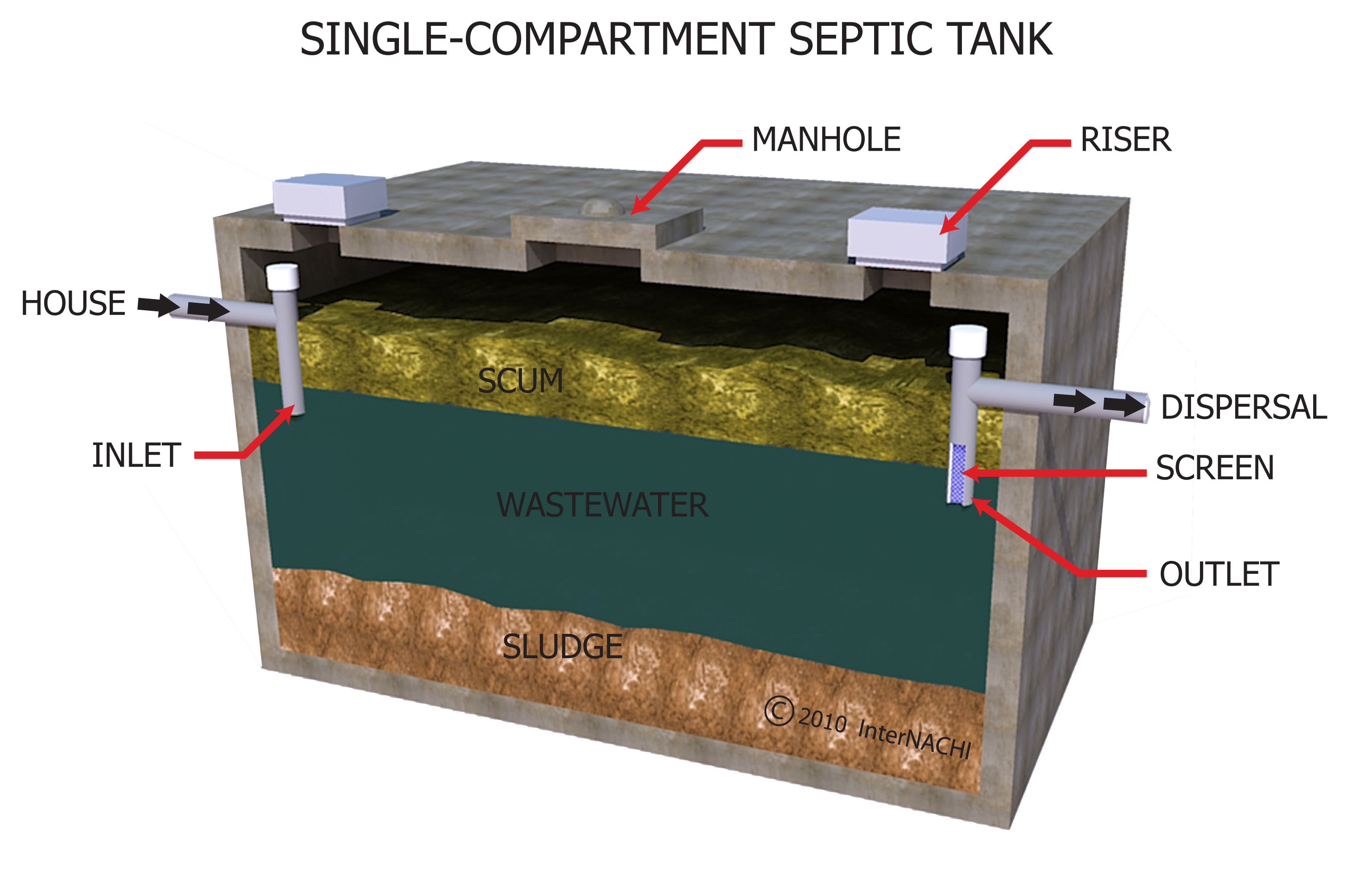
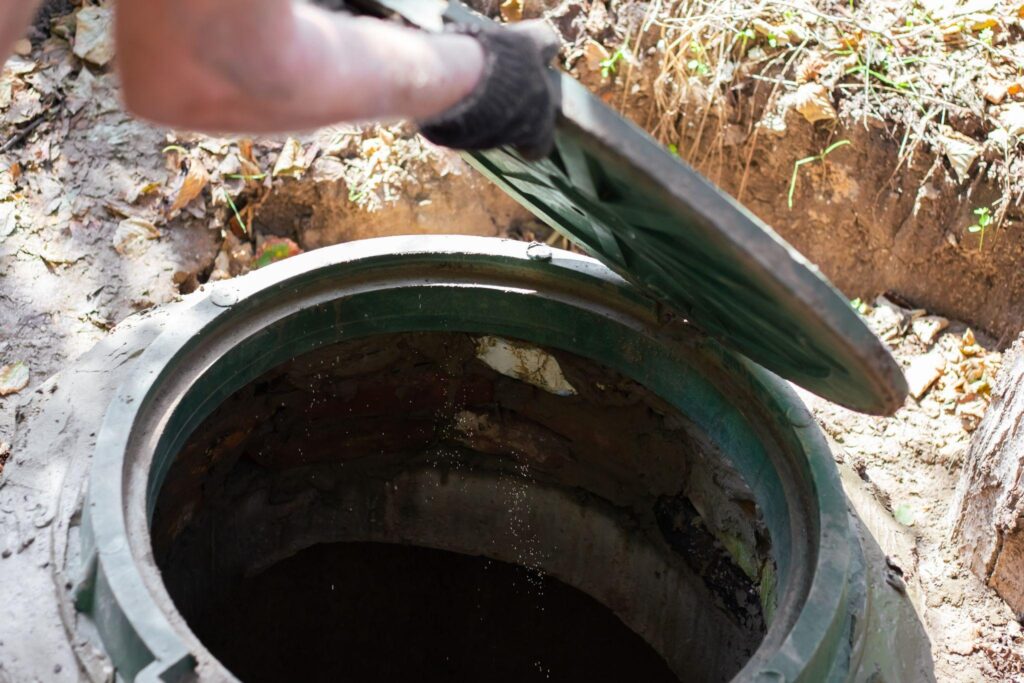
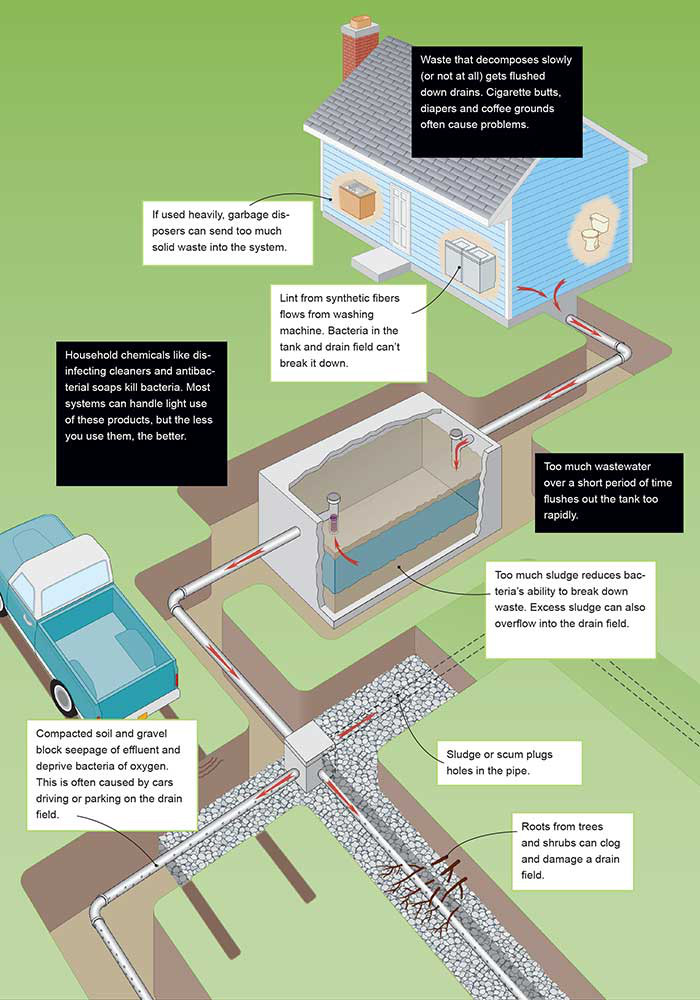
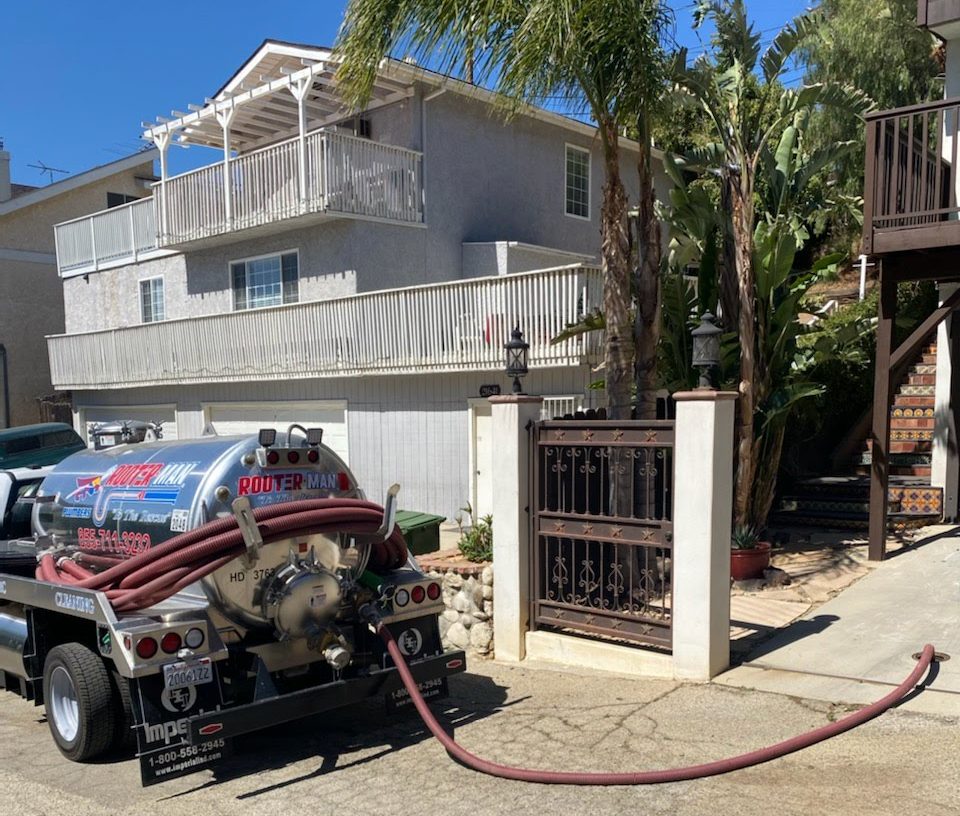
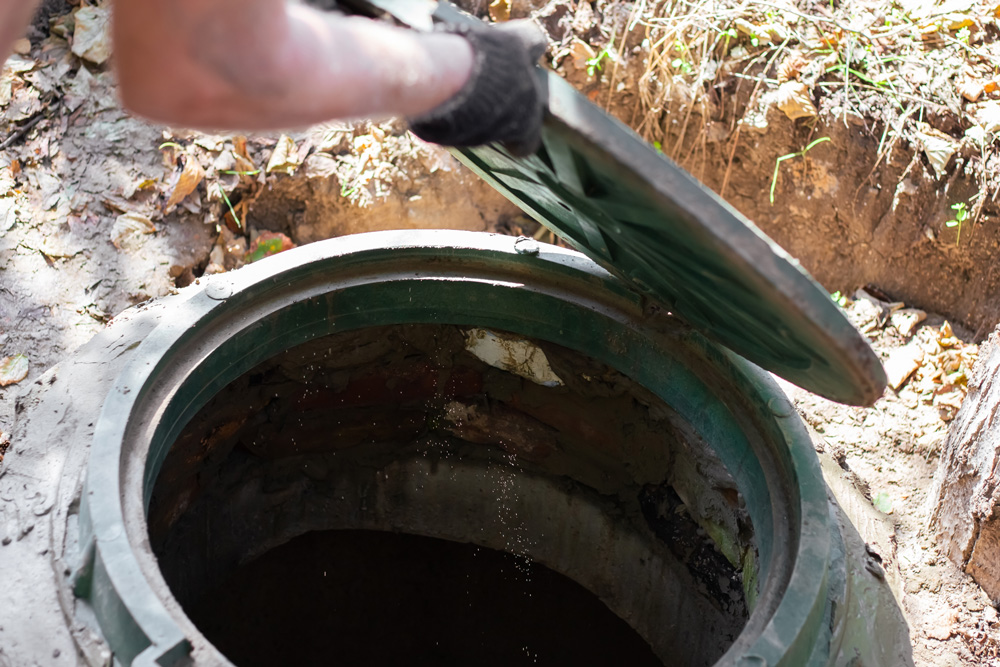
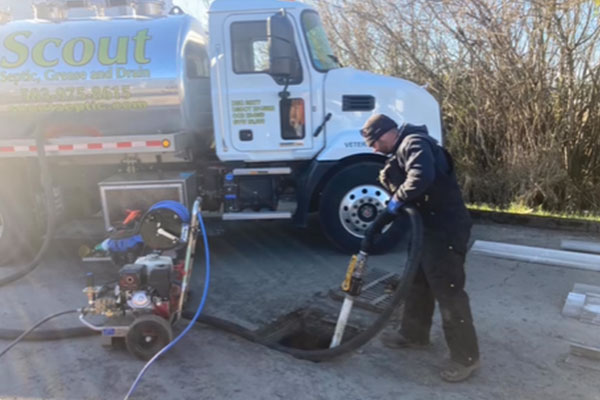
The inspection process involves a thorough examination of the septic system components, including the tank, drain field, and any associated plumbing. A licensed inspector will assess key components like the septic tank, distribution box, and drain field. They will also check the age of the system and maintenance history (if records are readily available).