Obesity Treatment with GLP-1 and Protein: A Review of the Latest Research
Understanding Obesity and GLP-1
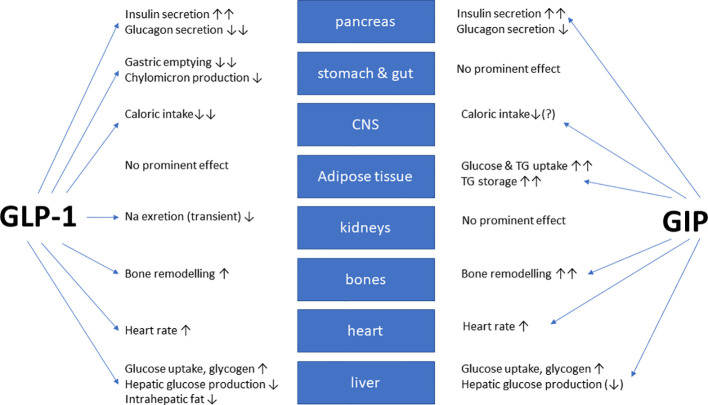
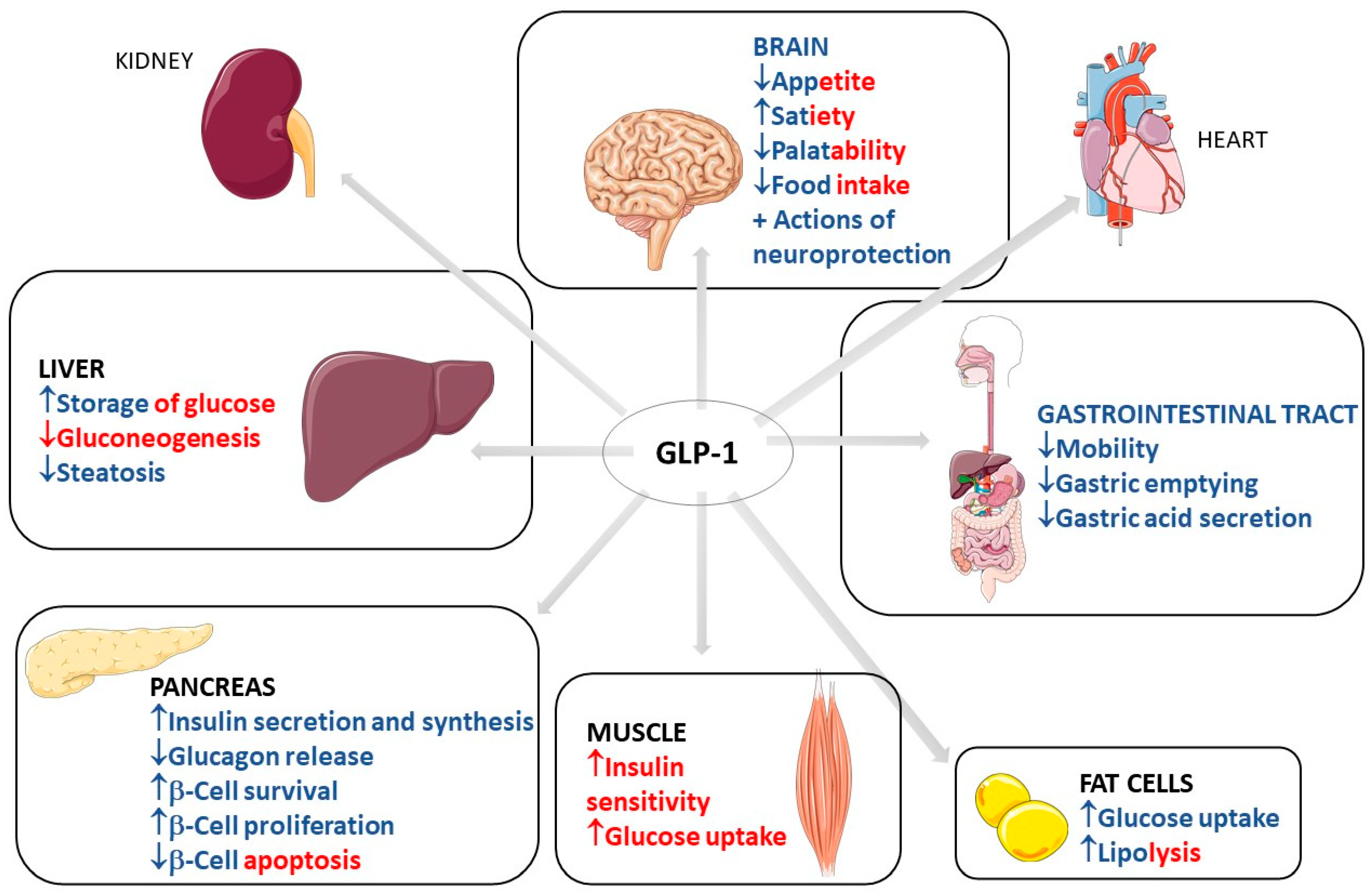
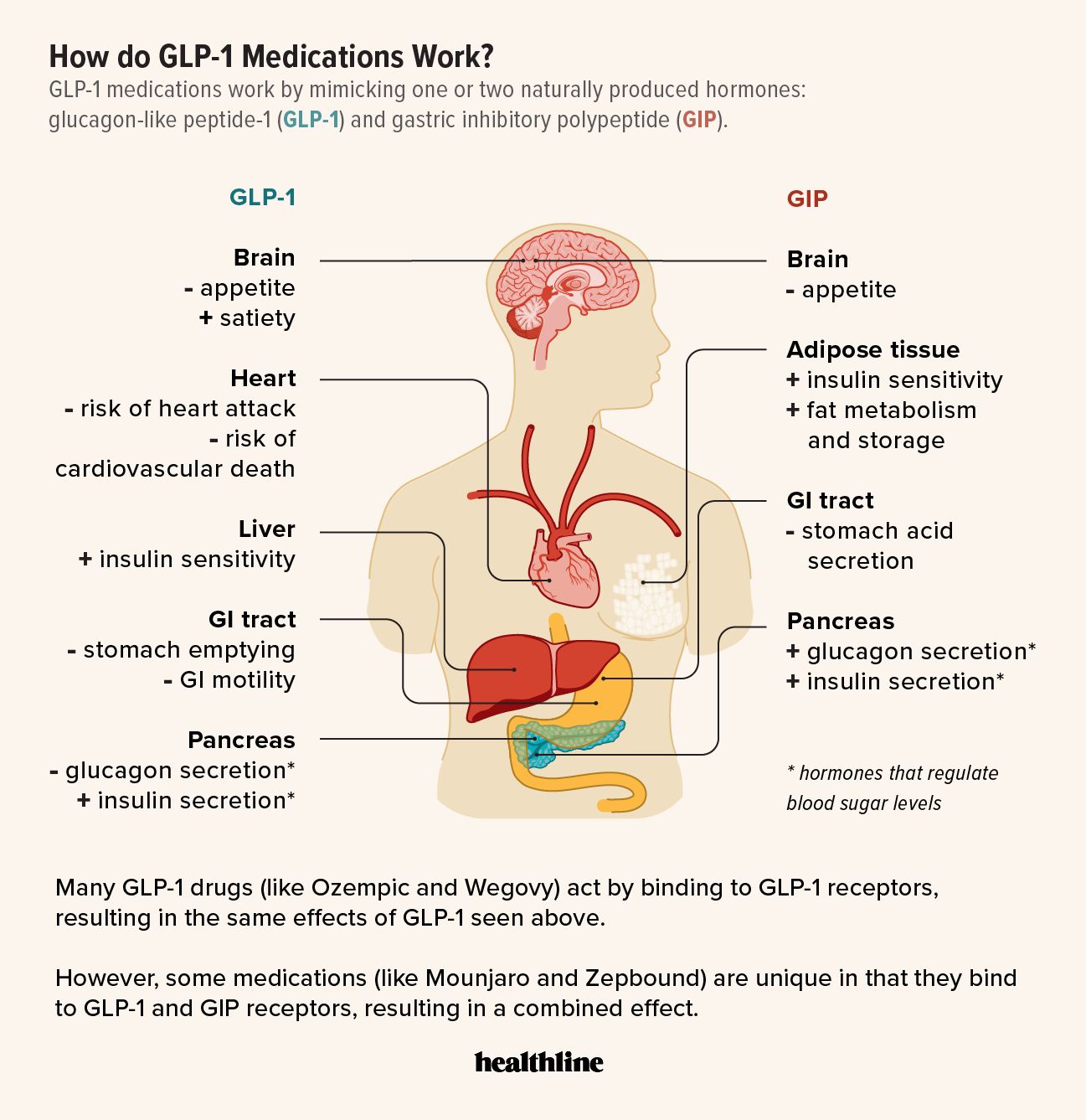
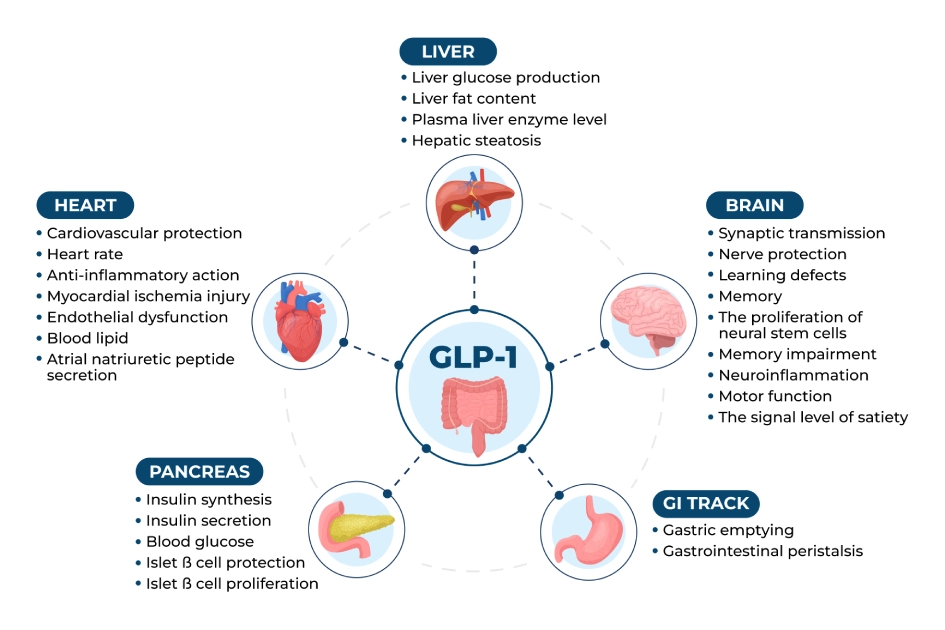
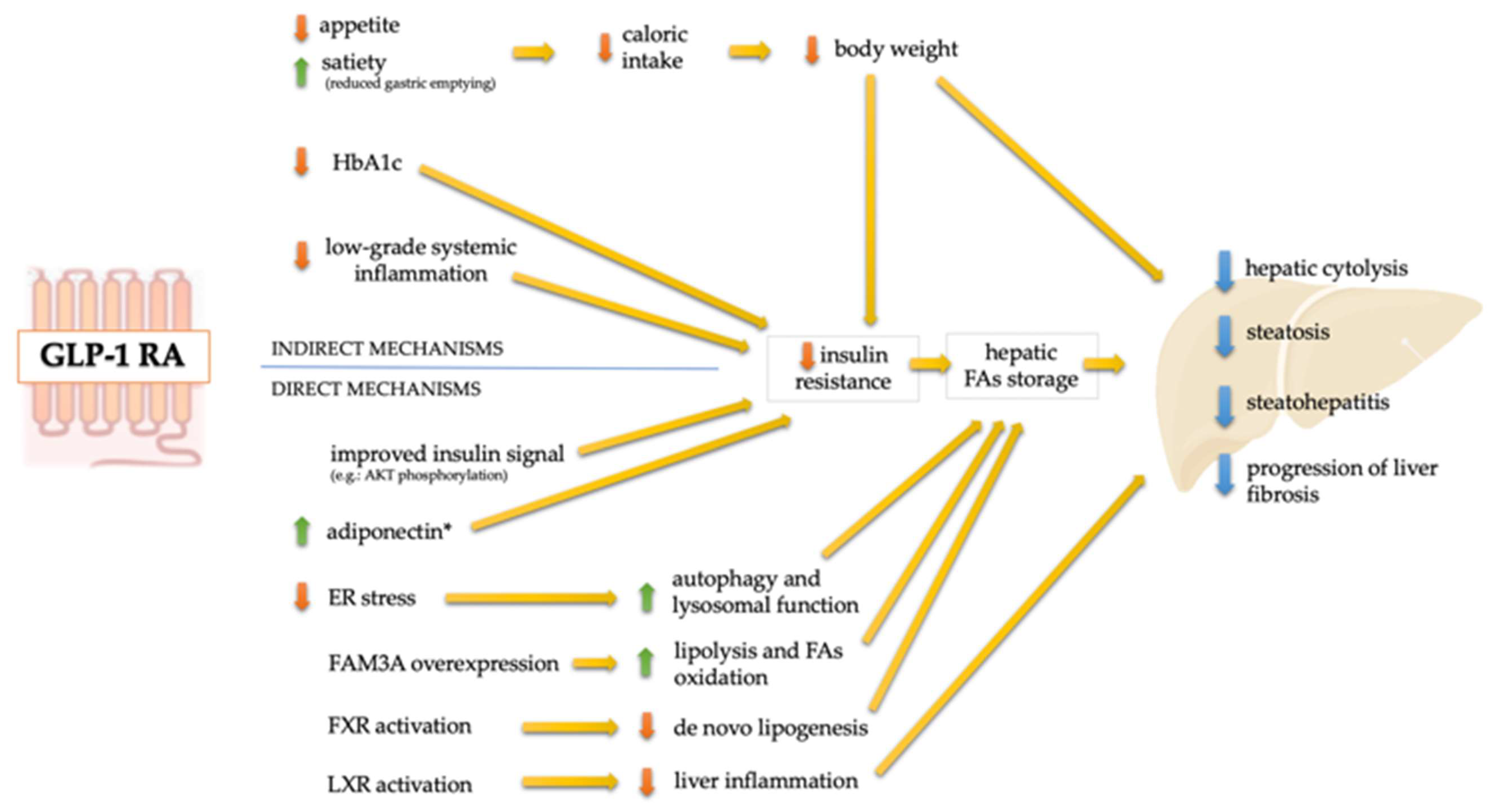
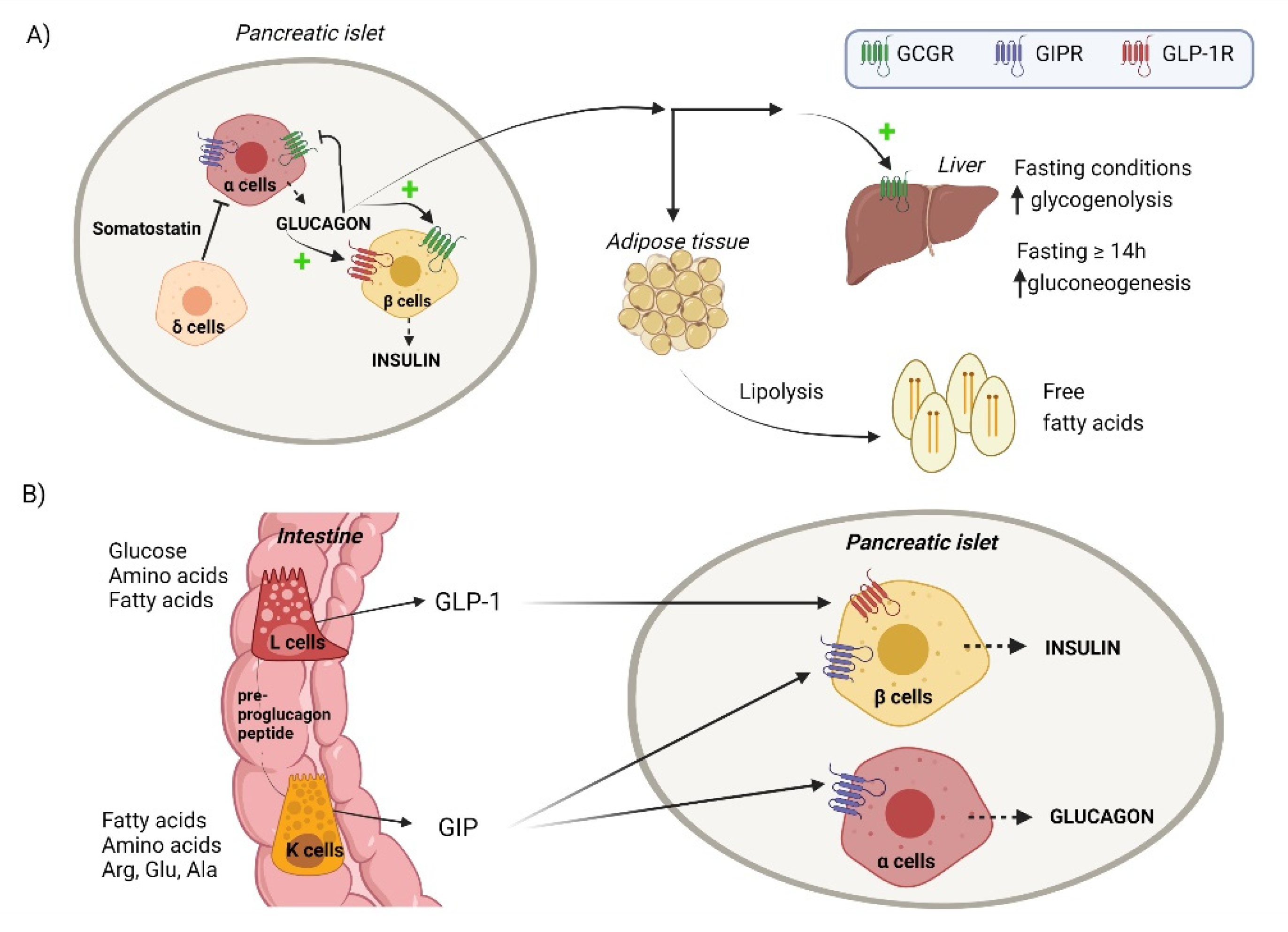
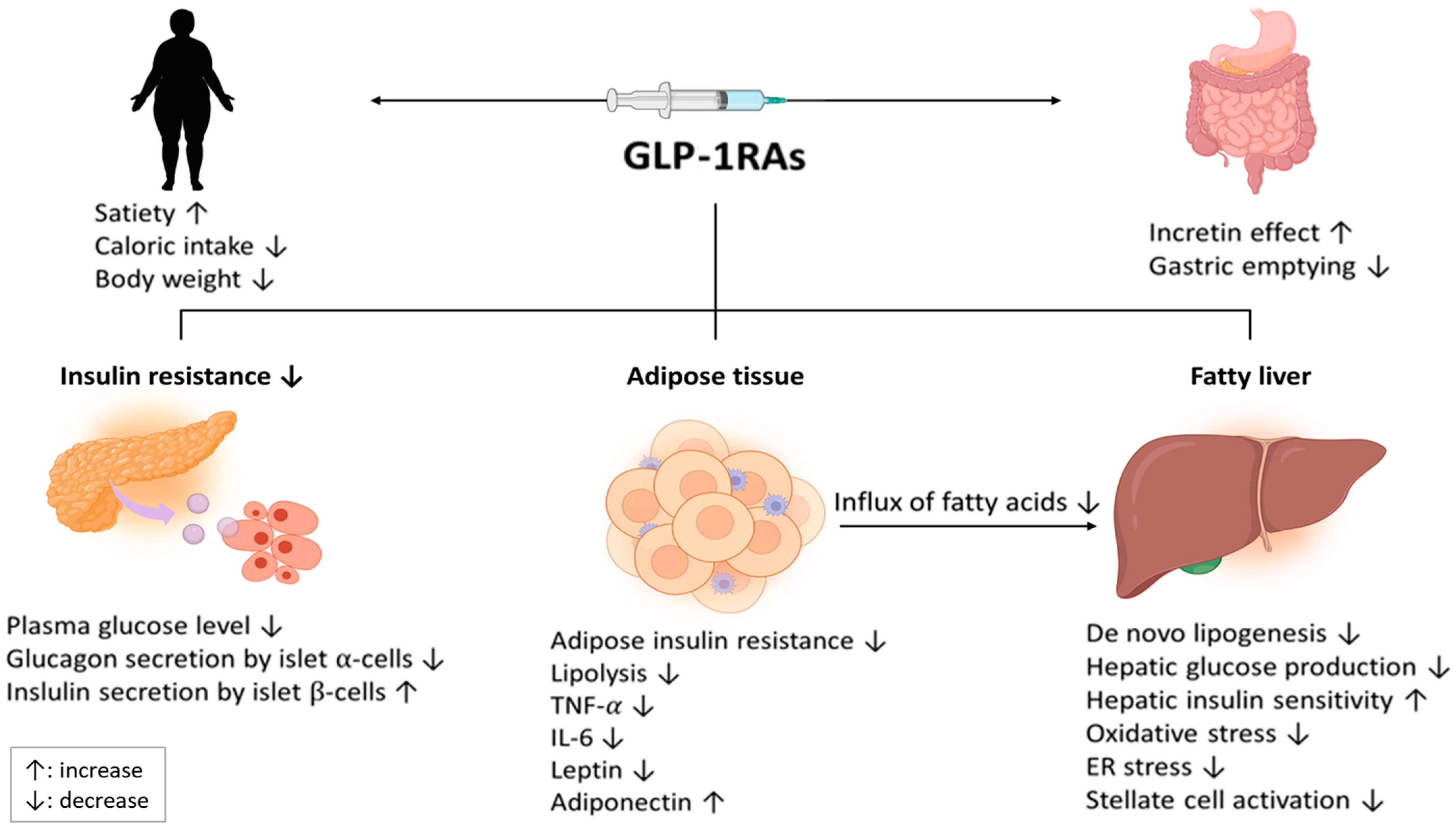
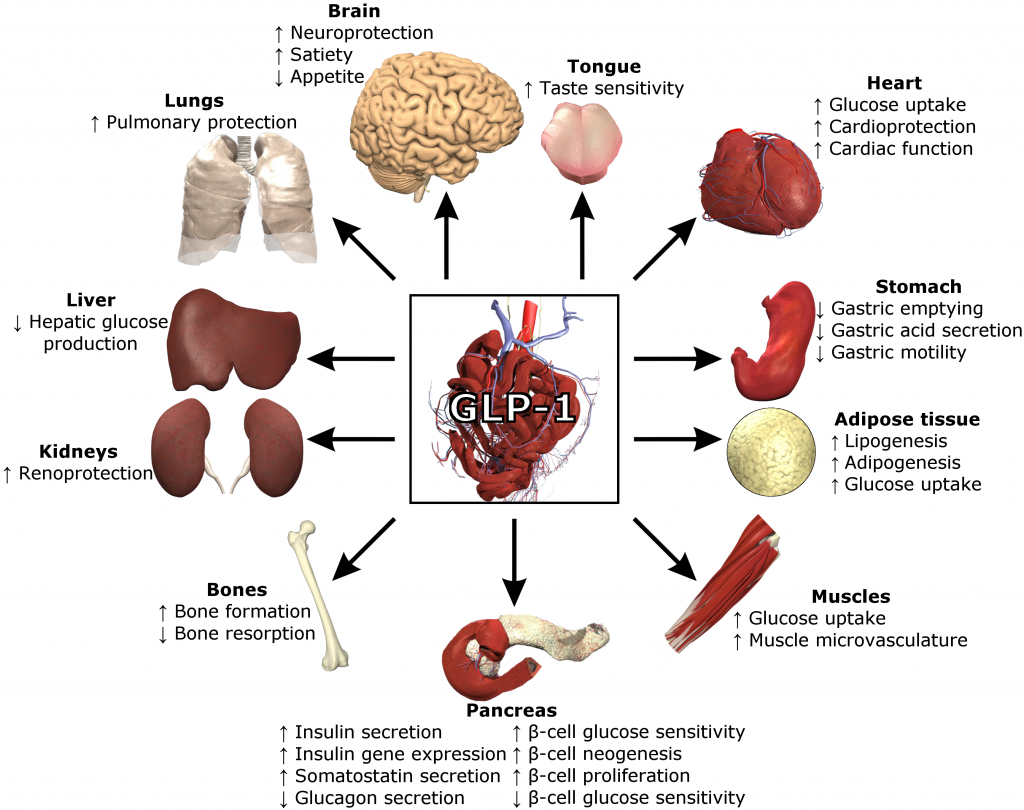
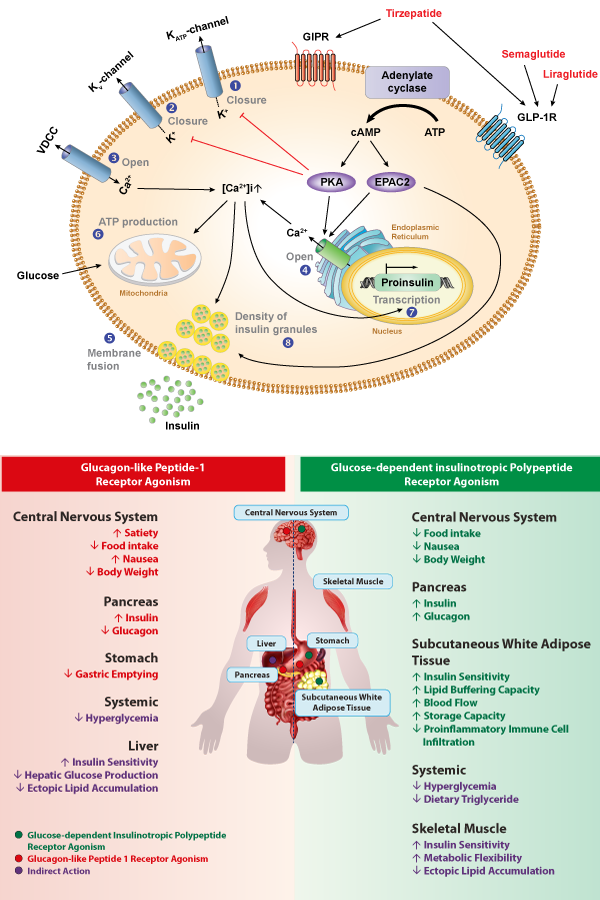
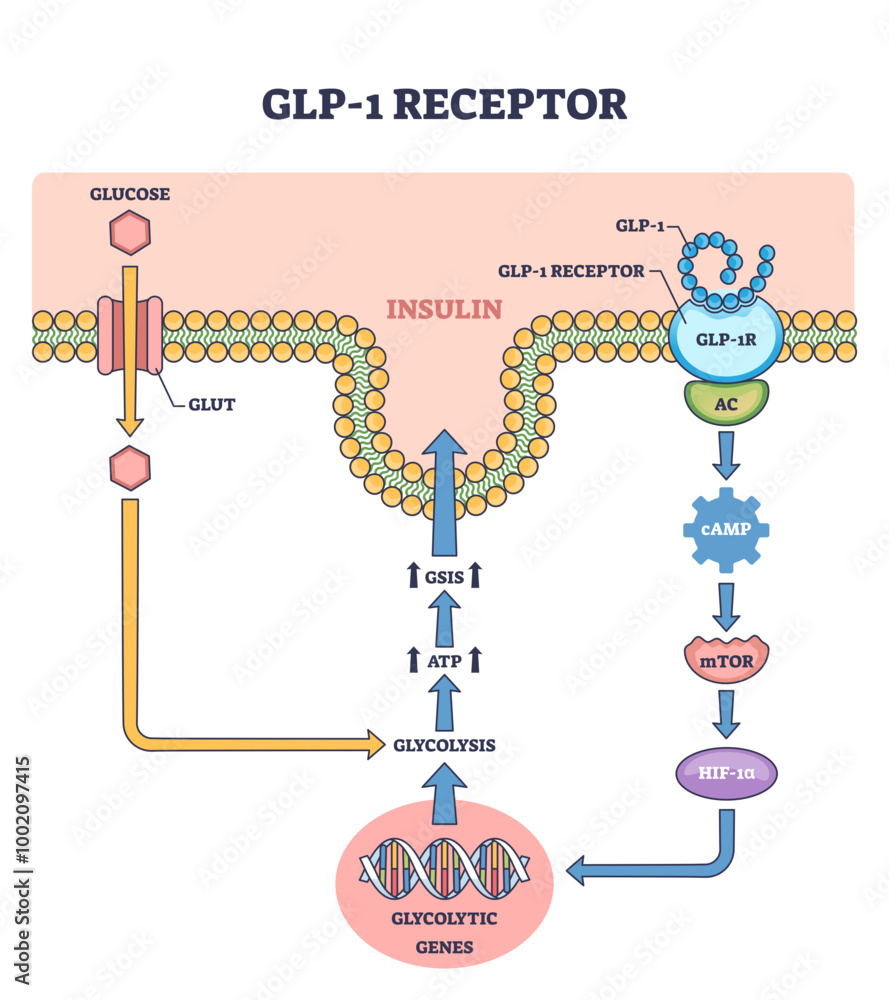
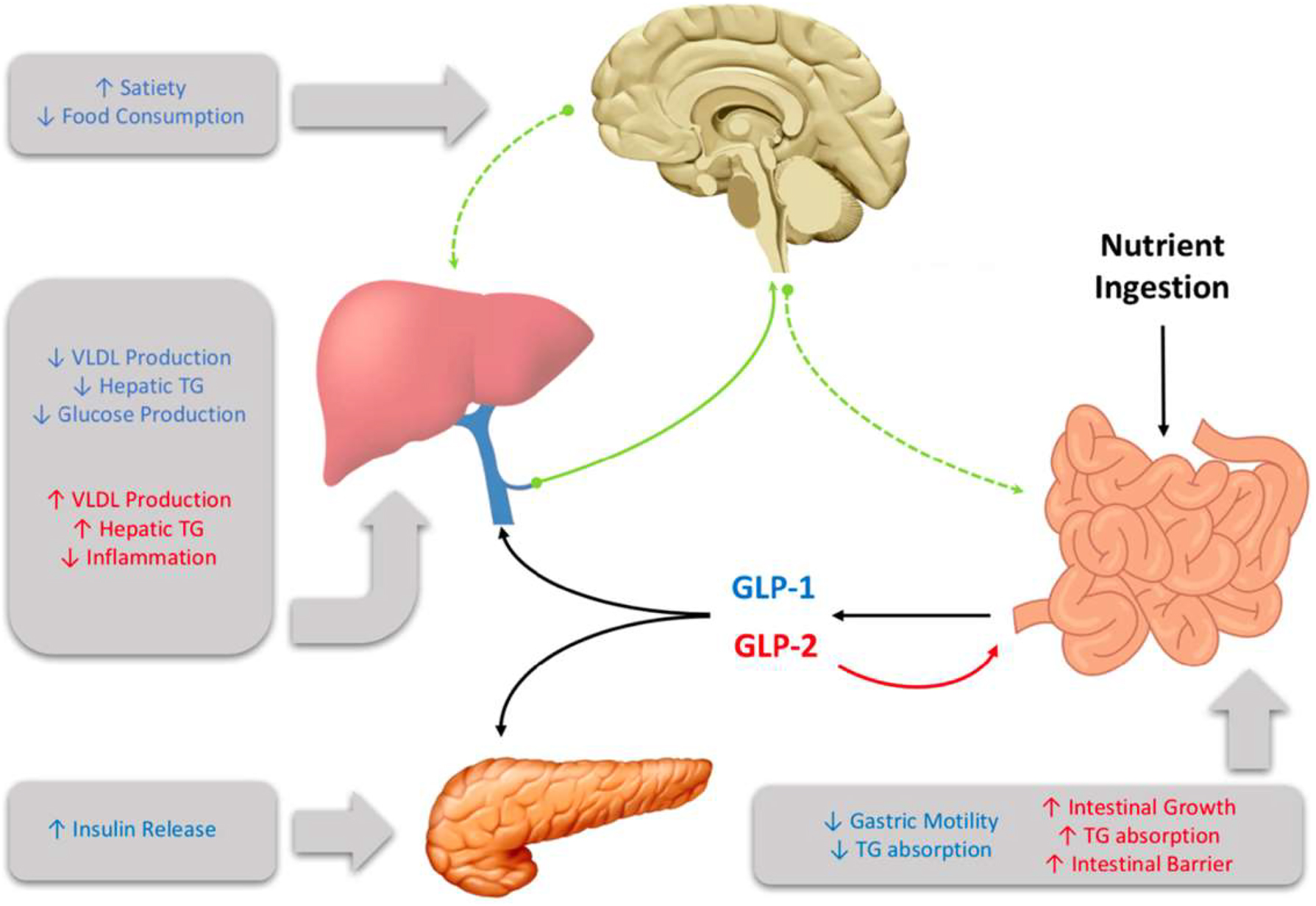
Obesity is a chronic disease that affects nearly 100 million U.S. adults, with a substantial increase in health risks such as type 2 diabetes, cardiovascular diseases, and nonalcoholic fatty liver disease. In recent years, glucagon-like peptide-1 receptor agonists (GLP-1RAs) have emerged as cornerstone therapies for obesity and type 2 diabetes by regulating insulin and glucagon secretion.
The Role of Protein in GLP-1 Treatment

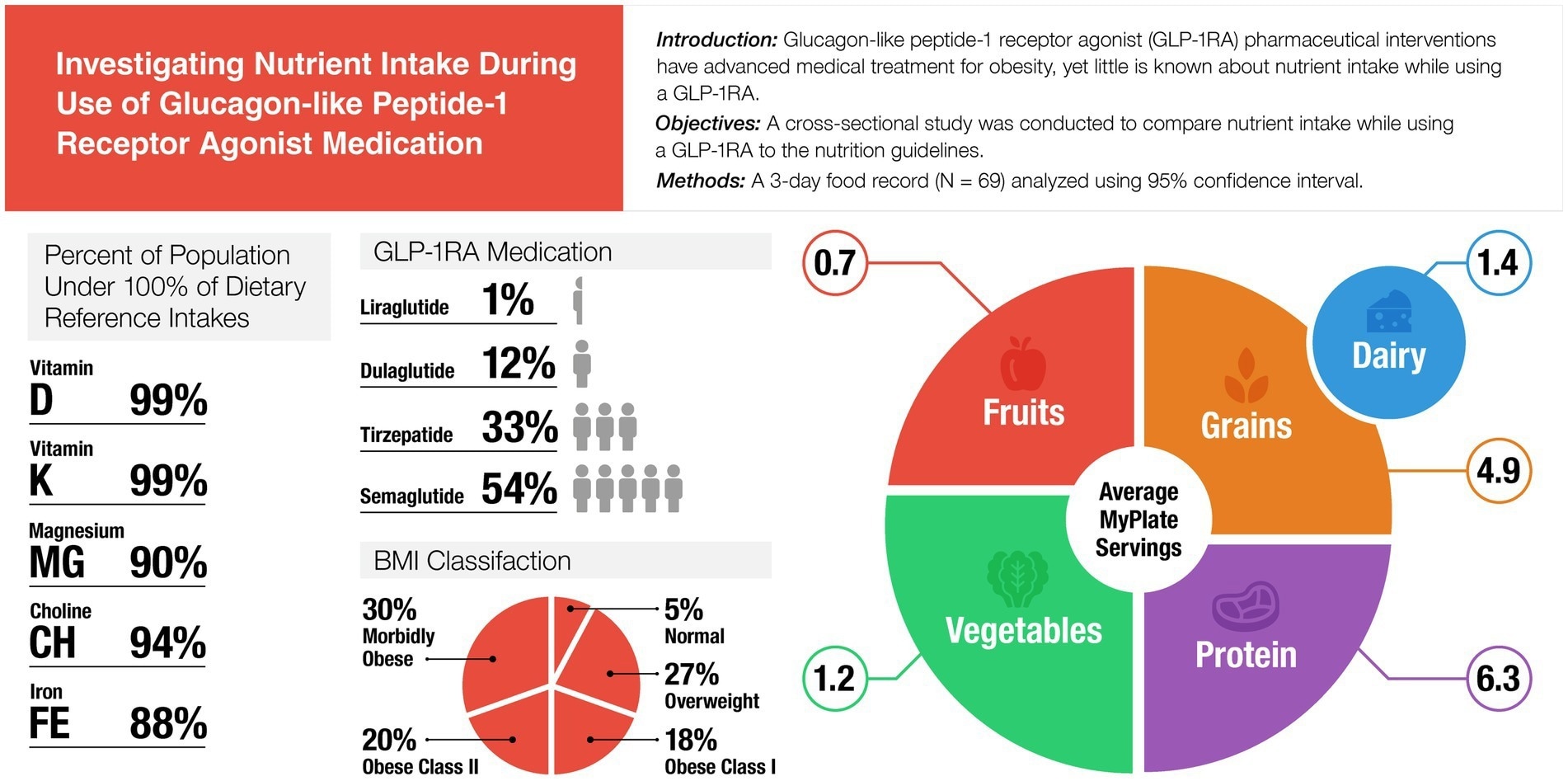
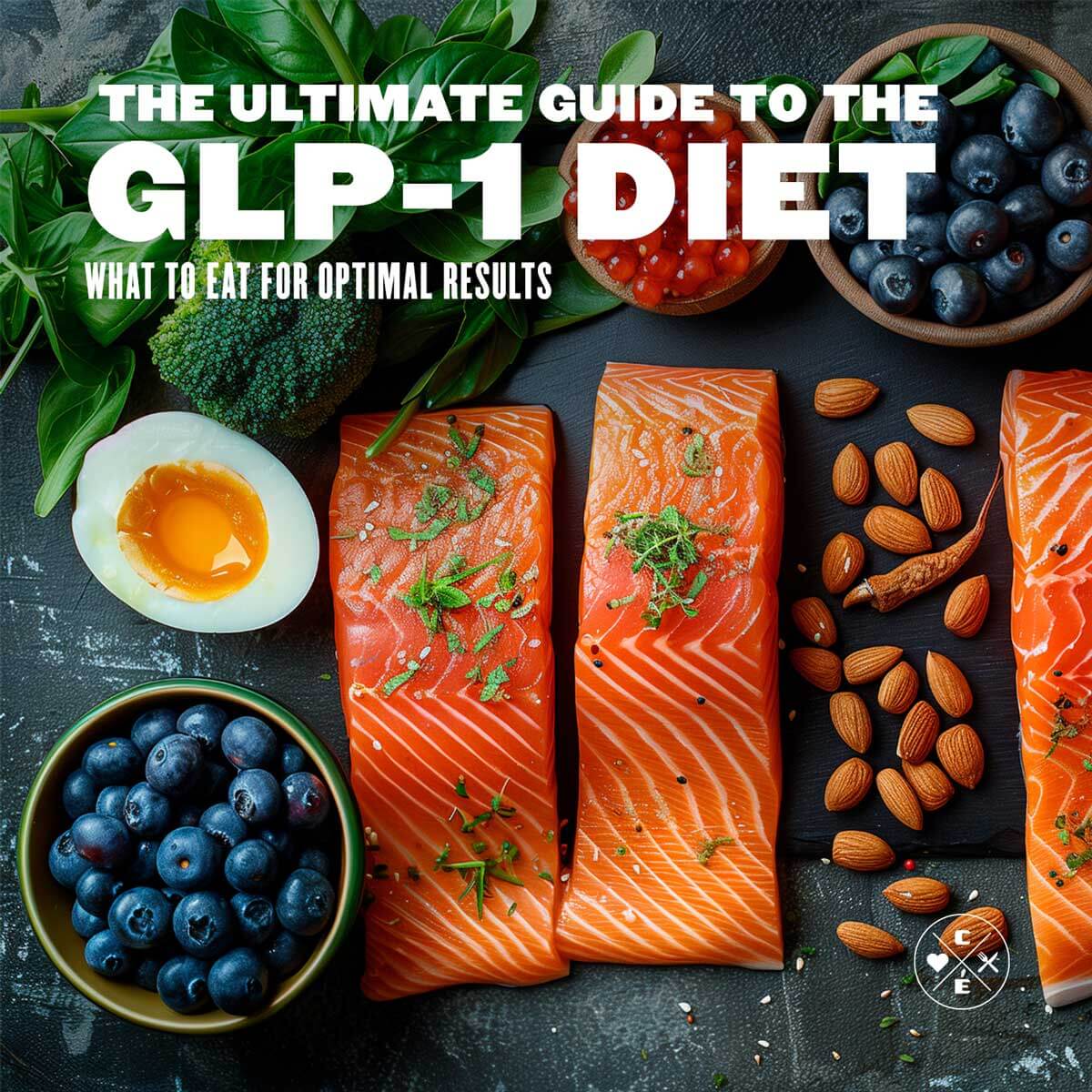
Protein is a crucial aspect of a healthy diet, and its importance is magnified when it comes to GLP-1 treatment. A joint advisory from the American College of Lifestyle Medicine, the American Society for Nutrition, the Obesity Medicine Association, and the Obesity Society highlighted the significance of adequate protein intake in supporting weight loss and muscle preservation. Undereating protein can lead to muscle loss on top of fat loss, a common concern for individuals using GLP-1 medications.
GLP-1 and Weight Loss: A Proven Combination
GLP-1 medications, such as semaglutide (Ozempic/Wegovy) and tirzepatide (Mounjaro), have transformed the treatment of obesity and metabolic disease. These medications have been shown to reduce appetite, improve blood sugar control, and support substantial weight loss – often in the range of 10-20% of body weight over time. The evidence goes beyond weight loss, with GLP-1 medications also improving cardiovascular risk factors and reducing the risk of adverse outcomes.