Mindful Eating and GLP-1 Therapy: A Powerful Synergy for Lasting Weight Management
The relationship between food, emotions, and the body is complex, and managing weight can be a lifelong challenge. At first glance, mindfulness training and GLP-1s may seem like opposing approaches, with one focusing on voluntary self-regulation and the other delivering a pharmacologic intervention. However, research suggests that GLP-1 therapy and mindful eating practices can work together to promote a healthier relationship with food and sustainable weight loss.
The Science Behind GLP-1 Therapy
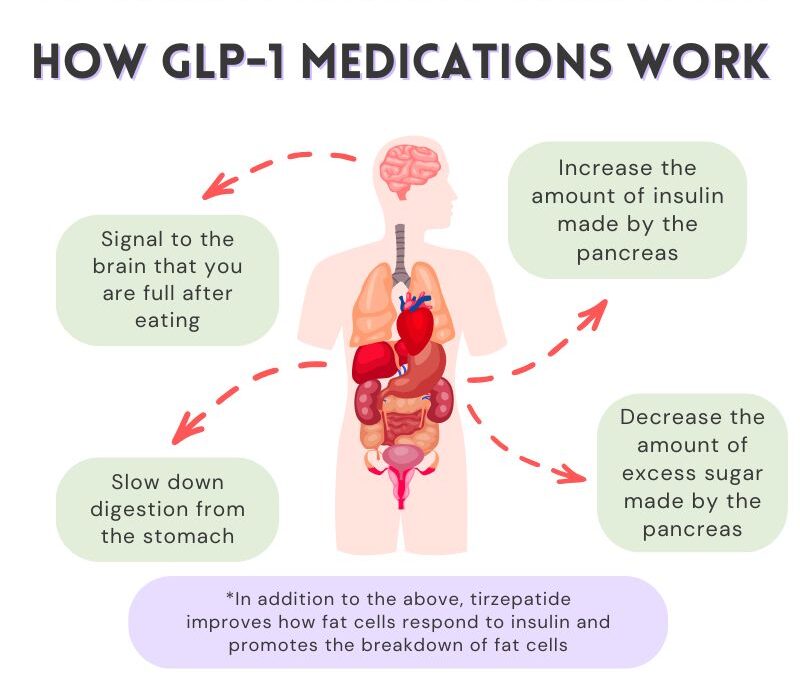
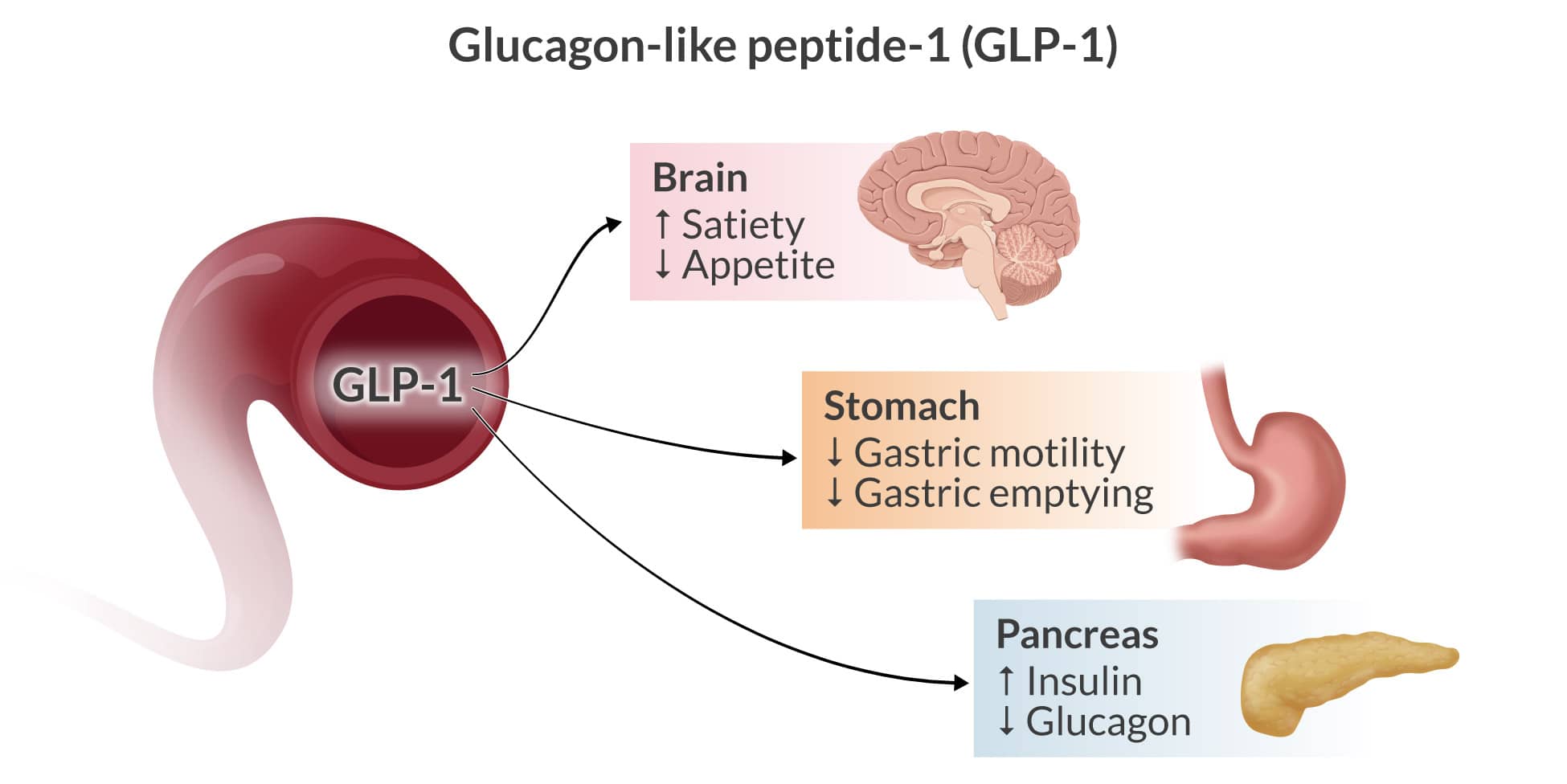
GLP-1 medications, such as semaglutide and tirzepatide, work by slowing down stomach emptying and affecting appetite-regulating hormones, leading to feelings of fullness and weight loss. While these medications can be effective, they do not address the underlying patterns that led to weight gain in the first place. That's where mindful eating comes in.

The Power of Mindful Eating
Mindful eating is a practice that involves paying attention to the physical and emotional sensations associated with eating, including hunger and fullness cues, taste, texture, and aroma. By cultivating awareness of these sensations, individuals can develop a healthier relationship with food and make more informed choices about what and how much they eat. This approach can help individuals optimize their nutritional status, ameliorate side effects of GLP-1 therapy, and increase intrinsic motivation to eat well.