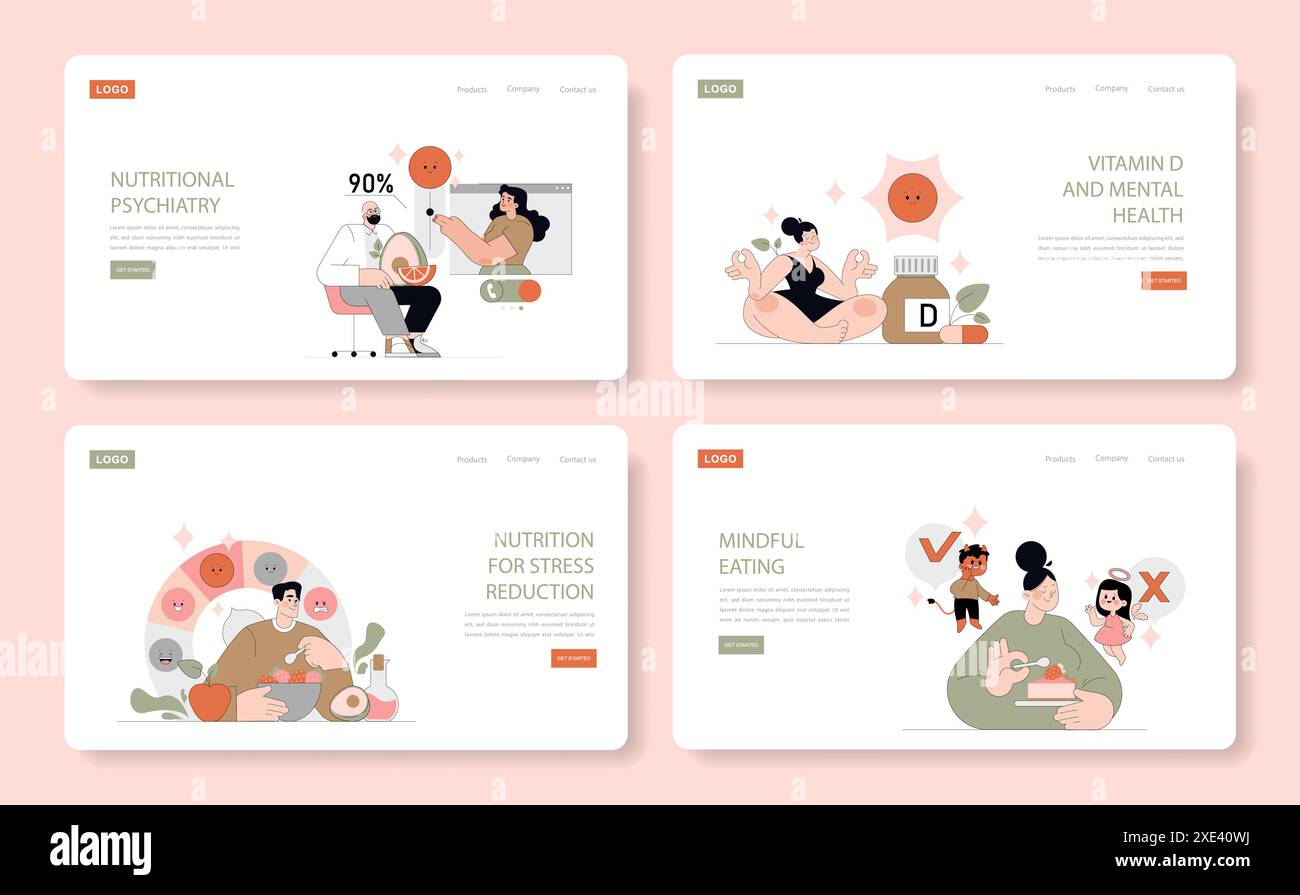
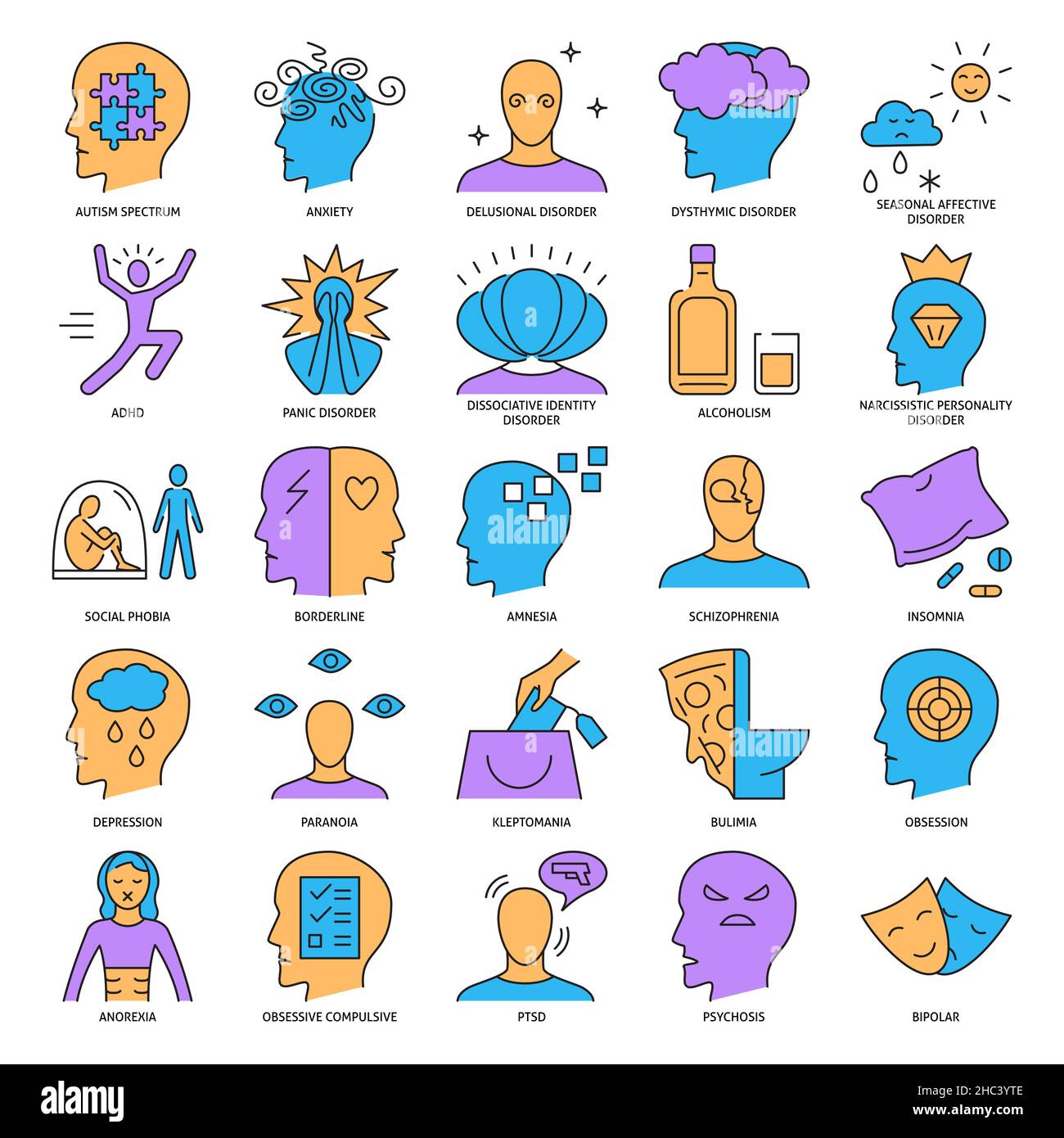
Mental Health and Stress Eating: Understanding the Connection
There has long been an interest in the effects of diet on mental health, and the interaction of the two with stress; however, the nature of these relationships is not well understood. Although associations between diet, obesity, and mental health have been reported, the specific mechanisms underlying these relationships are not well defined.
The Relationship Between Diet, Mental Health, and Stress
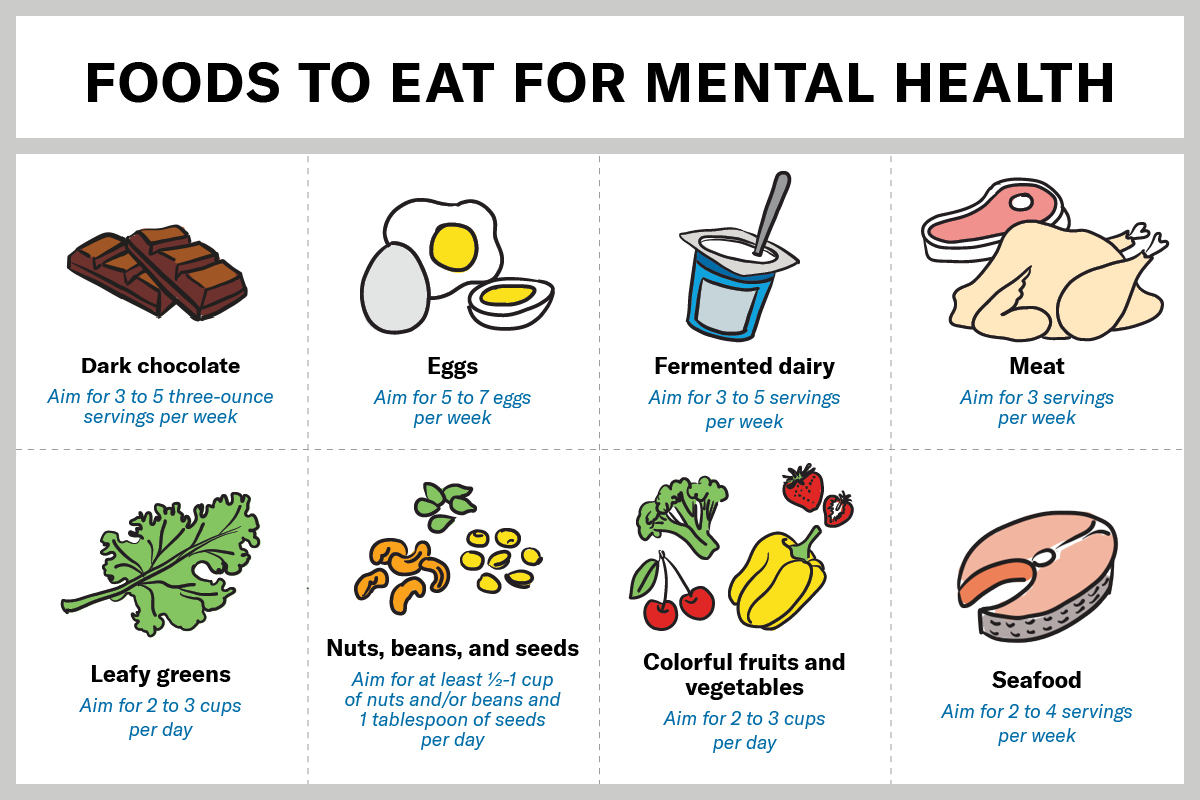
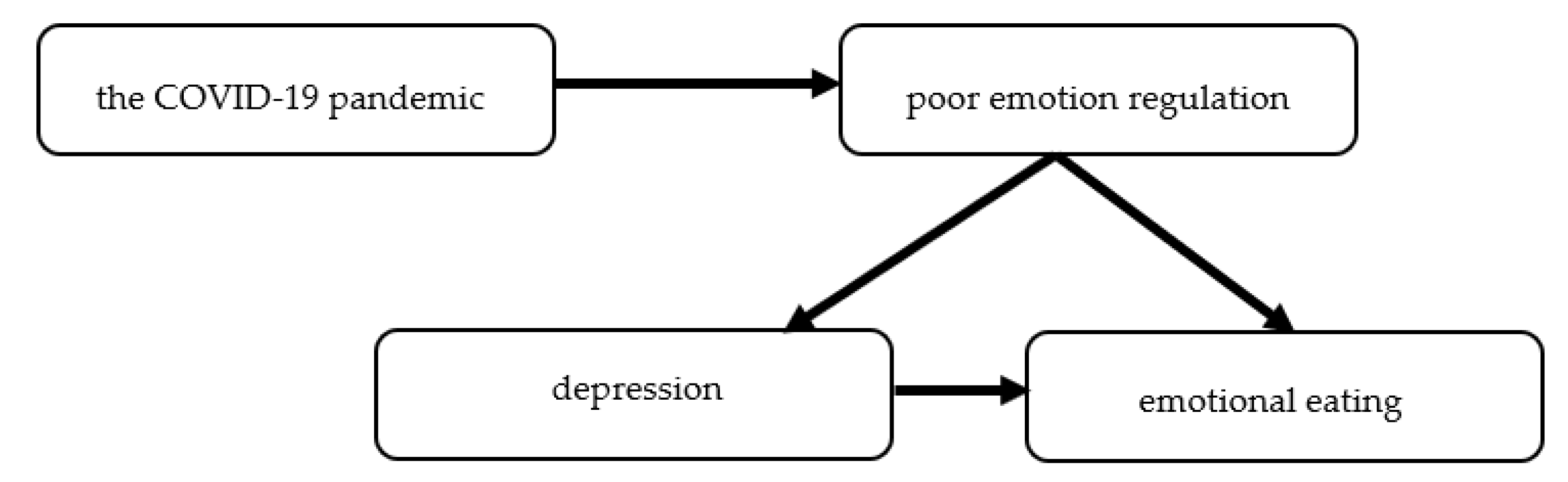
The relationship between diet, mental health, and stress is complex and bidirectional. On one hand, certain dietary patterns have been linked to improved mental health outcomes, such as reduced symptoms of anxiety and depression. On the other hand, mental health conditions can also affect dietary choices, leading to unhealthy eating behaviors and weight gain.
The Role of Stress in Mental Health and Eating
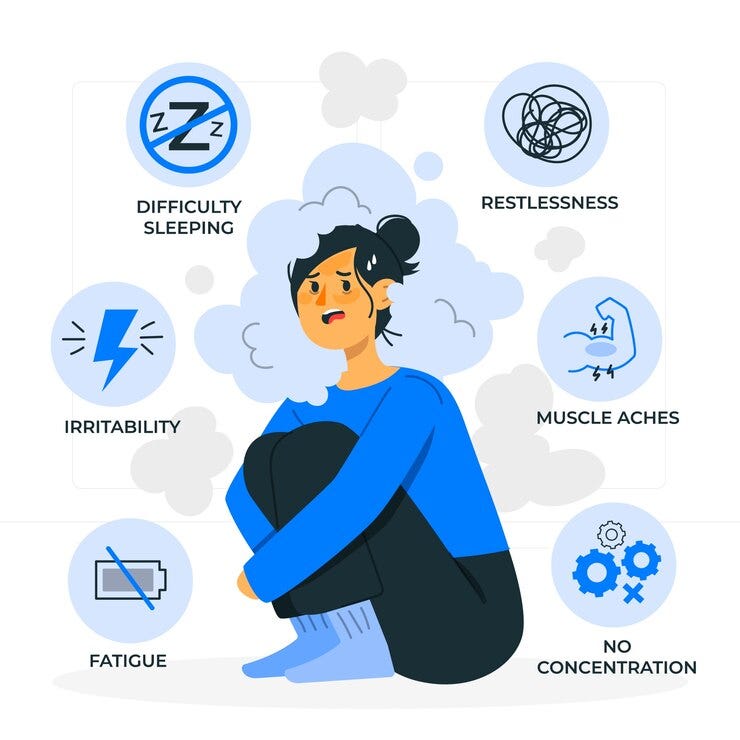
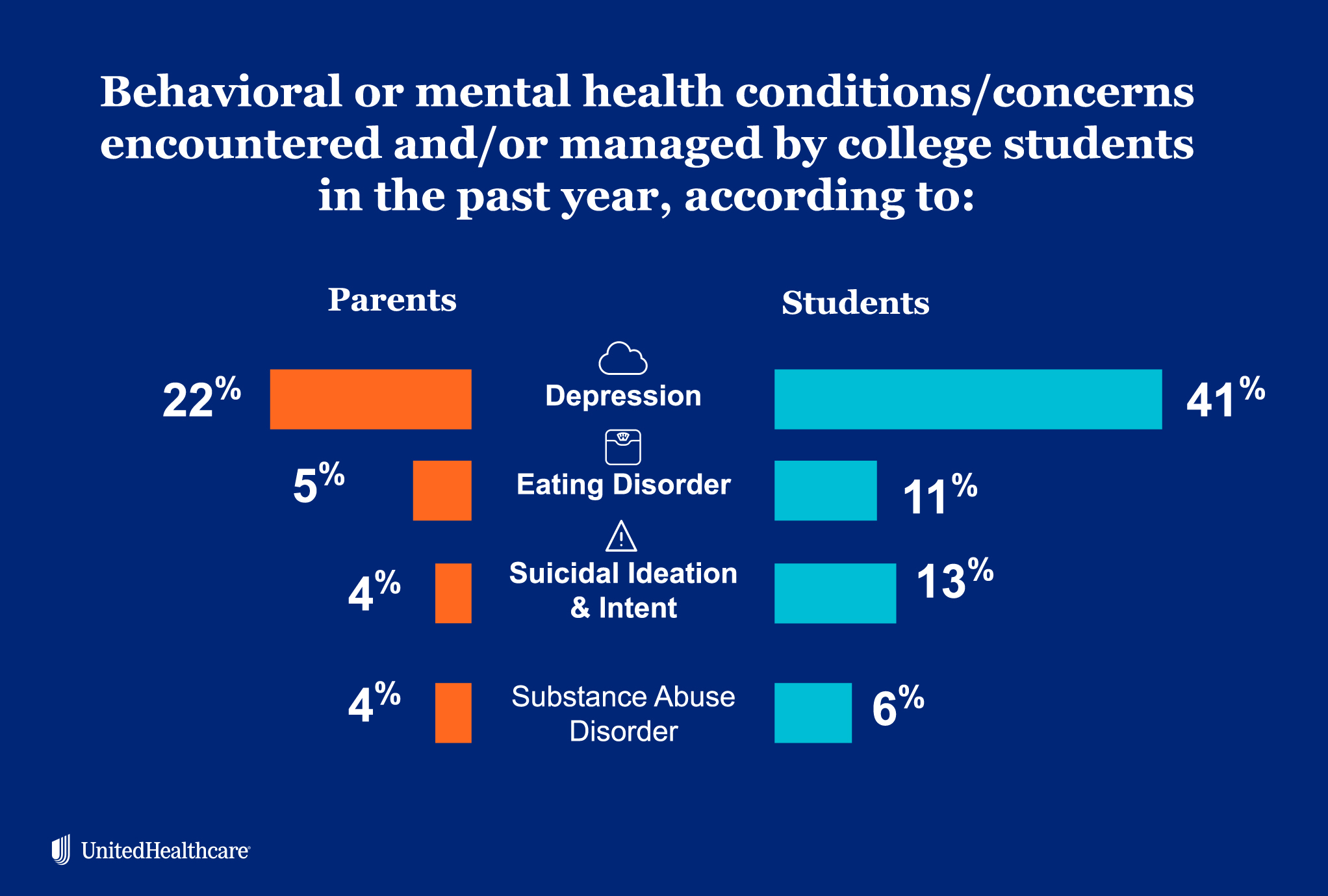
Stress is a significant contributor to mental health problems, including anxiety, depression, and eating disorders. When we experience stress, our body's "fight or flight" response is triggered, releasing hormones such as cortisol and adrenaline. These hormones can increase our appetite and cravings for comfort foods, leading to unhealthy eating behaviors.
Eating Mindfully: A Key to Reducing Stress and Improving Mental Health
Eating mindfully, or paying attention to the sensations, smells, and flavors of food, can help reduce stress and improve mental health outcomes. By eating more mindfully, individuals can develop a healthier relationship with food and reduce the likelihood of overeating or making unhealthy food choices.