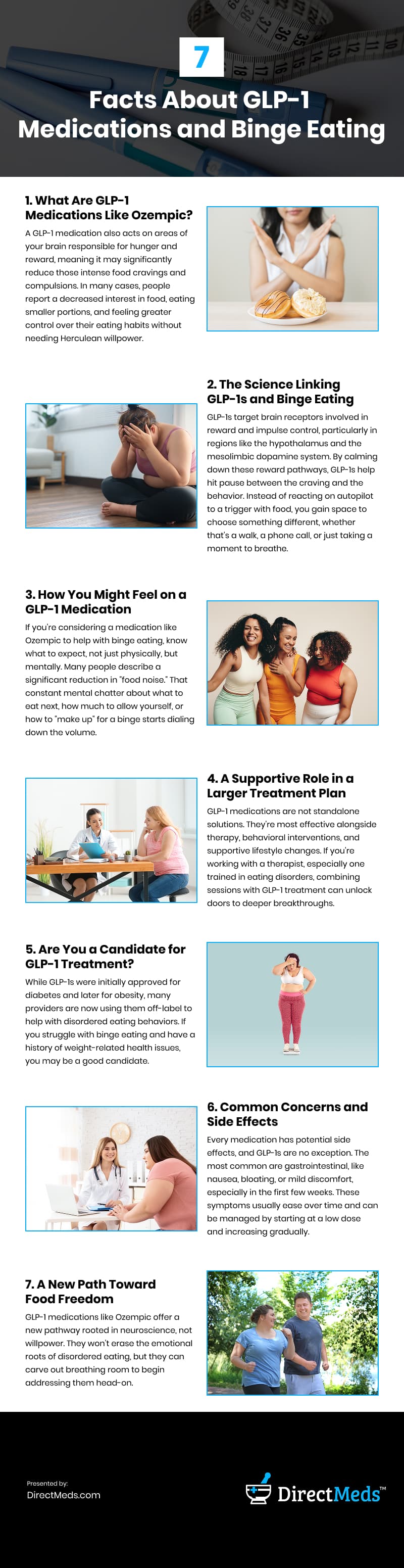
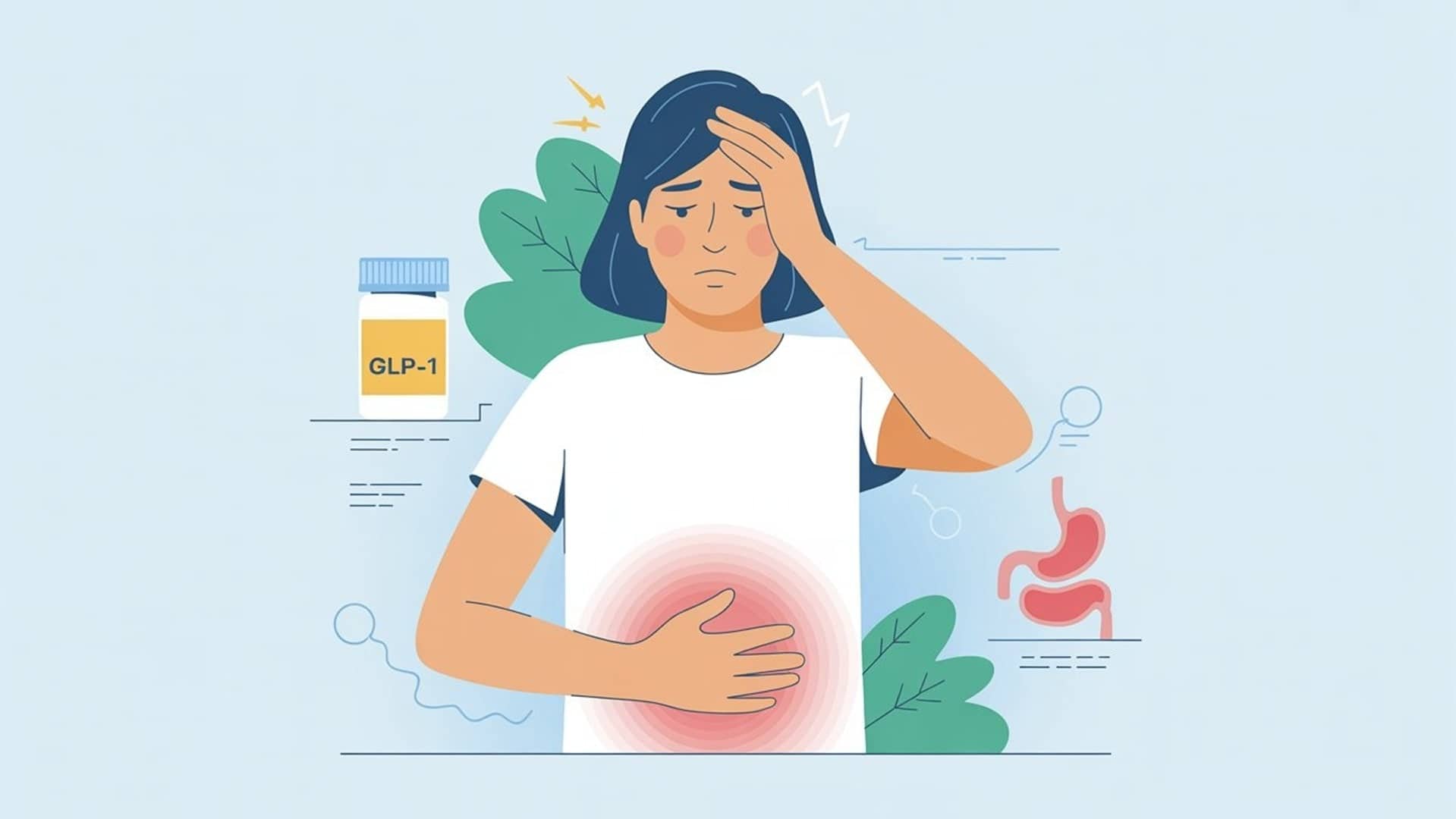
Managing Emotional Eating with GLP-1: Strategies for a Healthier Relationship with Food
Emotional eating is a common challenge for many women, especially those navigating weight loss after 40. Life's stresses, from work responsibilities to family obligations, can lead to unhealthy eating patterns, which can derail your weight loss efforts. For those on GLP-1 medications, such as Ozempic or Wegovy, managing emotional eating is crucial to achieving and maintaining a healthy weight.
What is GLP-1 and How Does it Help with Emotional Eating?
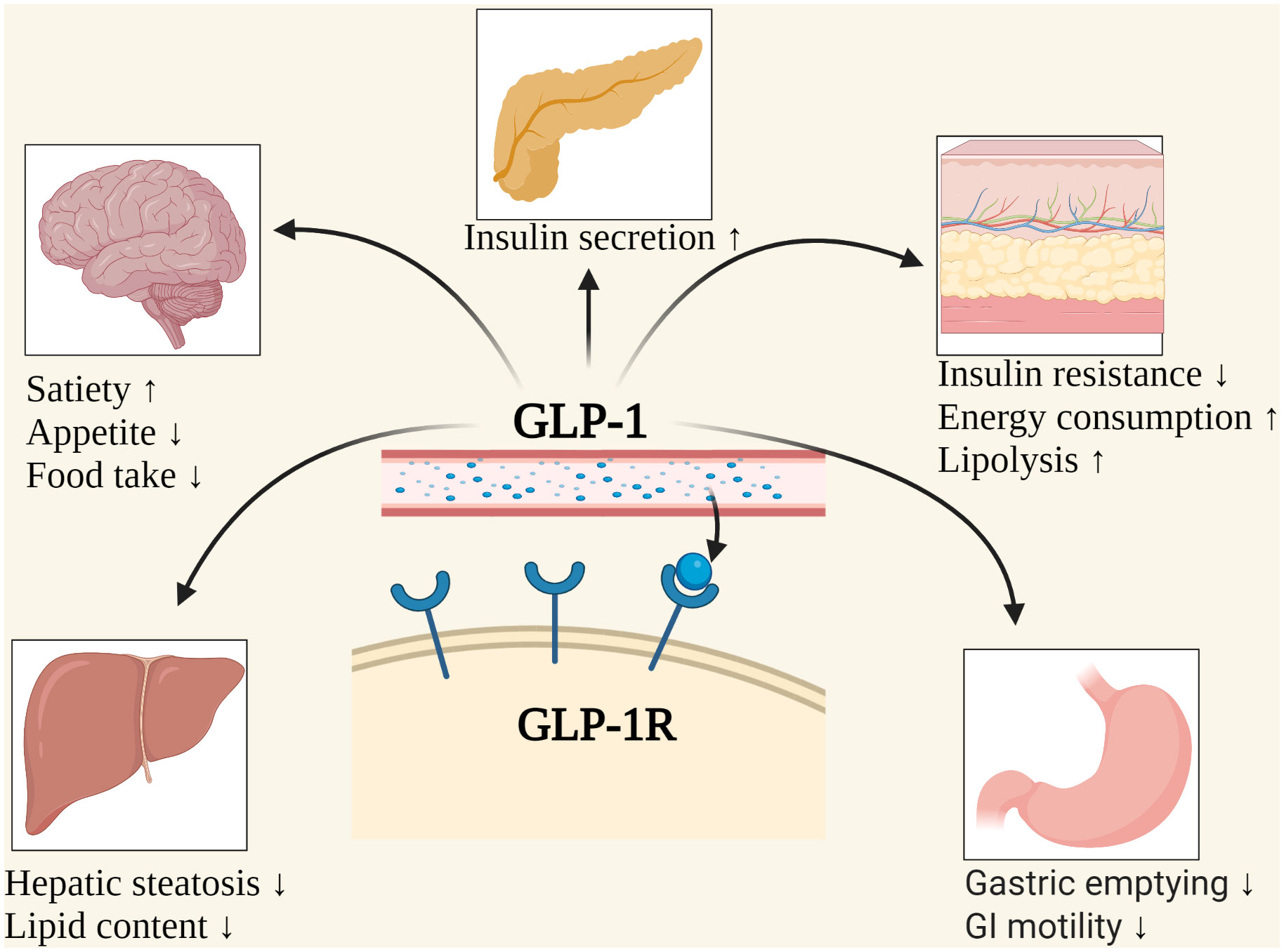
GLP-1, or glucagon-like peptide-1, is a naturally occurring hormone that helps regulate blood sugar levels, slows down gastric emptying (aka keeps you feeling full longer), and reduces appetite. GLP-1 medications, such as semaglutide and tirzepatide, mimic this hormone to help with weight loss and improve blood sugar control. While these medications can be effective in reducing physical hunger, emotional eating is a different story, and it's essential to understand how to manage it effectively.
Understanding Emotional Eating with GLP-1
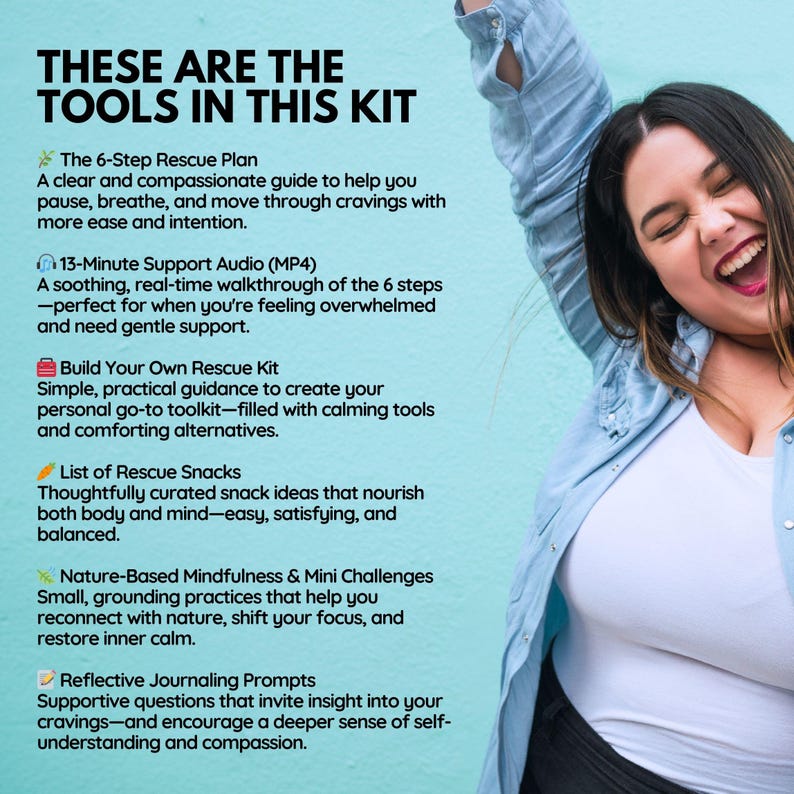
GLP-1 medications can be an excellent tool for managing appetite and supporting weight loss, but they don't erase emotions, and that's okay. Emotional eating is a complex issue that involves various psychological and emotional factors, such as stress, anxiety, and boredom. By understanding the root causes of emotional eating, you can develop strategies to manage it effectively while on GLP-1 treatment.