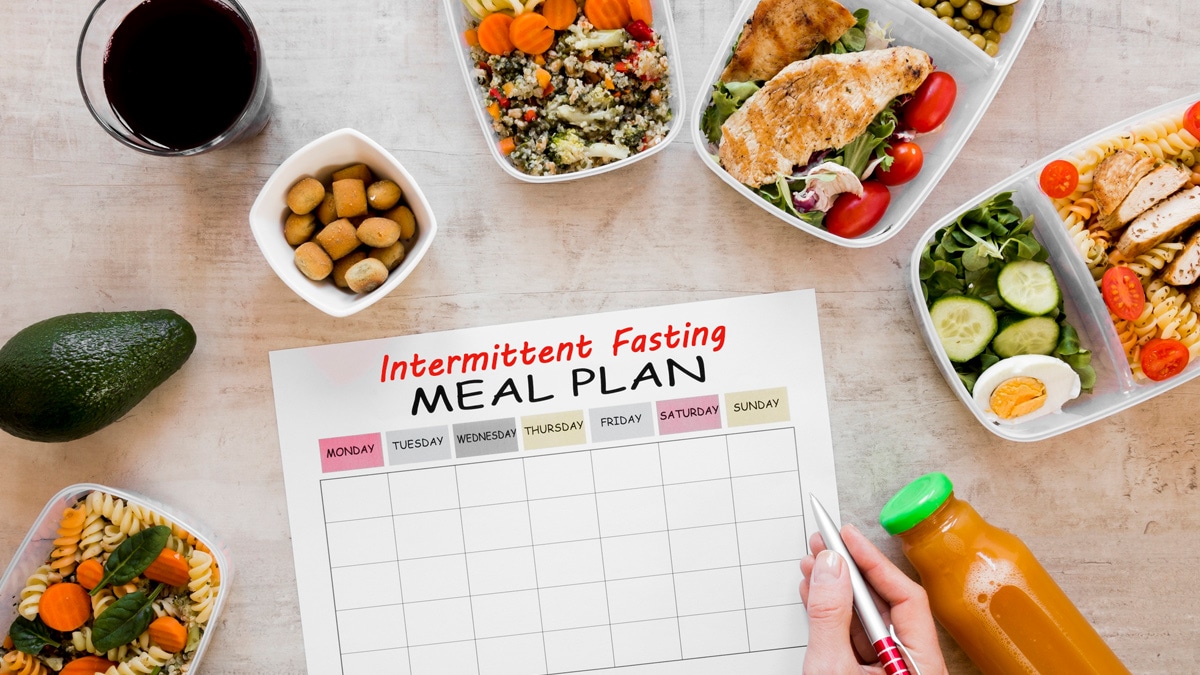
Unlock the Power of Intermittent Fasting and GLP-1: A Comprehensive Guide
Intermittent fasting has gained significant attention in recent years due to its potential benefits for weight loss, improved insulin sensitivity, and enhanced brain health. Meanwhile, GLP-1 (Glucagon-Like Peptide-1) medications have revolutionized the treatment of type 2 diabetes and obesity. But can these two strategies be combined safely and effectively? In this article, we'll delve into the world of intermittent fasting and GLP-1, exploring the benefits, risks, and expert guidance for a successful and sustainable approach.
The Science Behind Intermittent Fasting and GLP-1
Intermittent fasting, also known as Time-Restricted Eating (TRE), involves restricting your eating window to a specific period, allowing your body to enter a fasting state. This has been shown to improve insulin sensitivity, reduce inflammation, and enhance human growth hormone (HGH) production. GLP-1, on the other hand, is a naturally occurring hormone that helps regulate blood sugar levels, appetite, and metabolism. GLP-1 medications, such as semaglutide and tirzepatide, have been proven to be effective in reducing body weight and improving glycemic control.
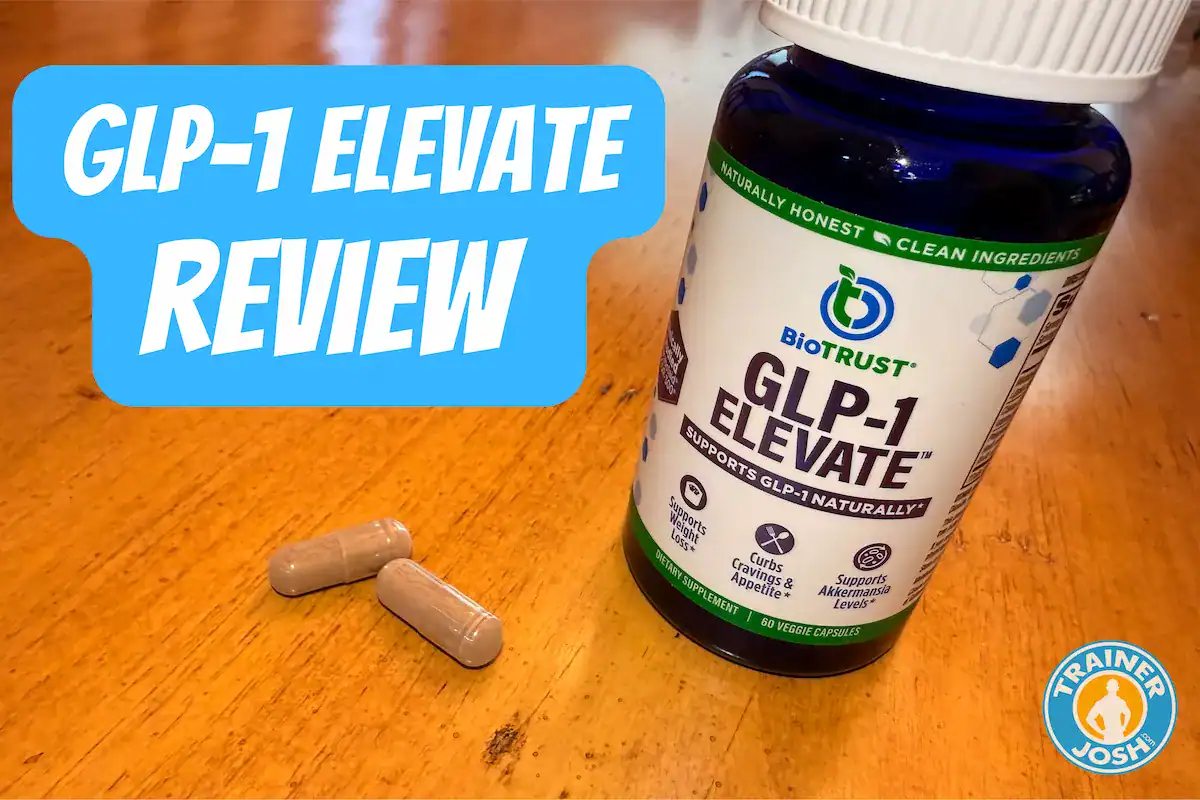
The Benefits of Combining Intermittent Fasting and GLP-1
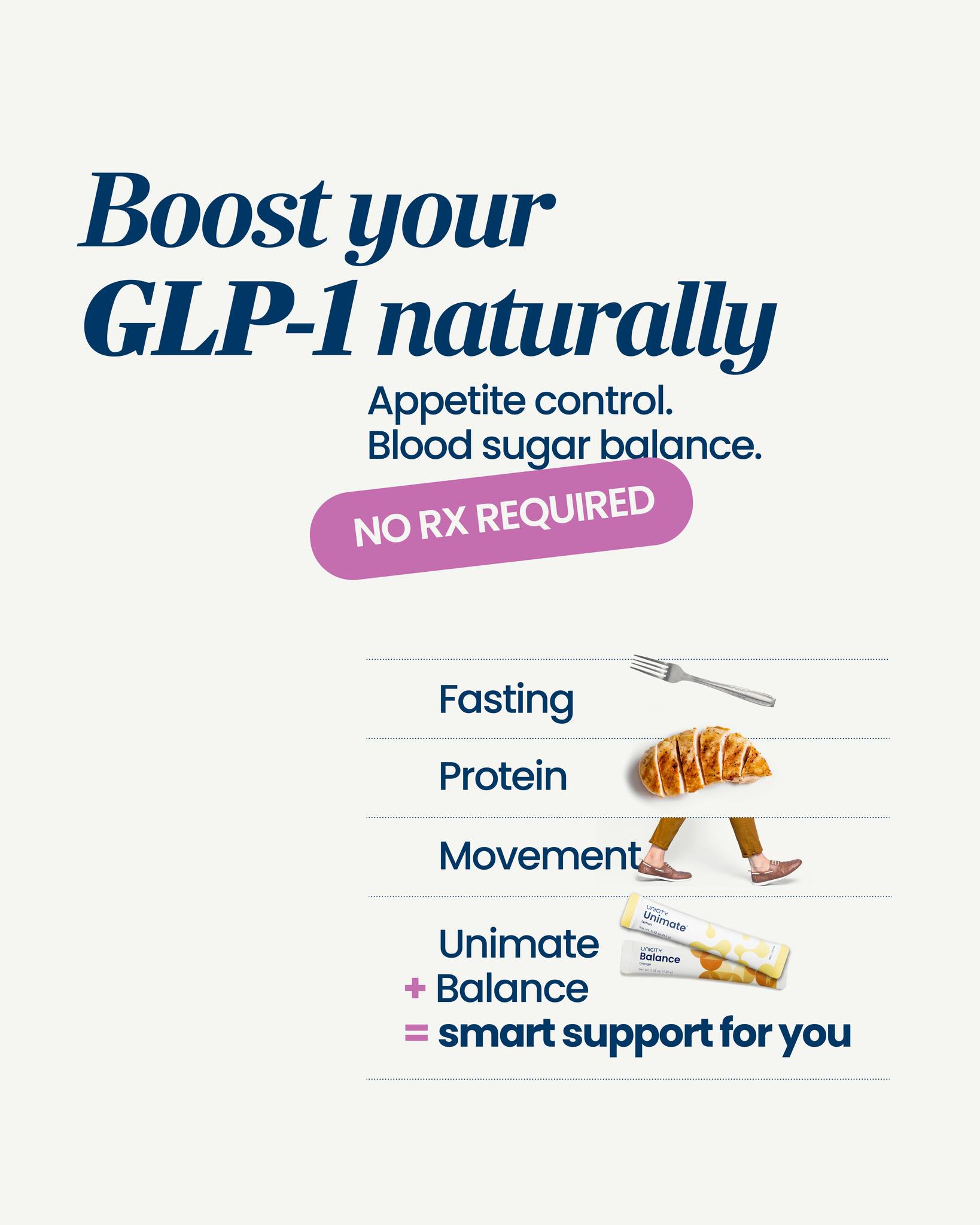
When combined, intermittent fasting and GLP-1 can create a powerful synergy that accelerates weight loss, improves metabolic health, and supports longevity. By choosing the right fasting method, prioritizing nutrition, and following expert guidance, individuals can safely optimize their results. Research has shown that natural tools like chlorogenic acid (found in coffee and yerba mate), fiber, protein, intermittent fasting, sleep, and fewer meals per day can boost GLP-1 levels without the side effects associated with GLP-1 medications.