The Impact of GLP-1 on Fat Metabolism and Calorie Needs: Unlocking the Science Behind Successful Weight Loss
Glucagon-like peptide-1 (GLP-1) receptor agonists (GLP-1RAs) have revolutionized the management of type 2 diabetes mellitus, and their use has been increasingly expanding to include obesity treatment. The impact of GLP-1 on fat metabolism and calorie needs has been extensively studied, revealing a multitude of mechanisms that contribute to their effectiveness in weight loss. In this article, we will delve into the exciting world of GLP-1 and explore its multifaceted effects on fat metabolism and calorie needs.
What is GLP-1 and How Does it Work?
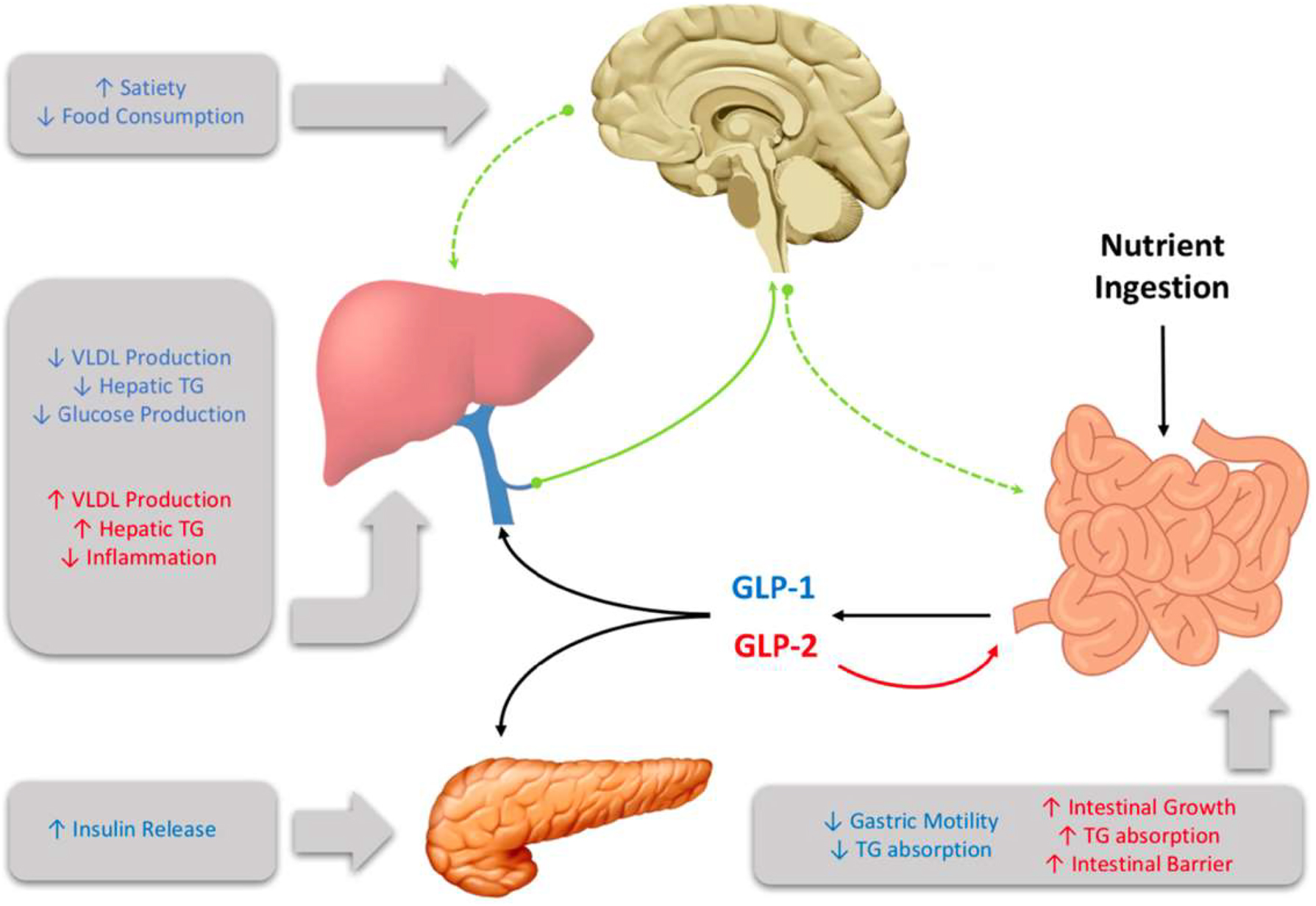
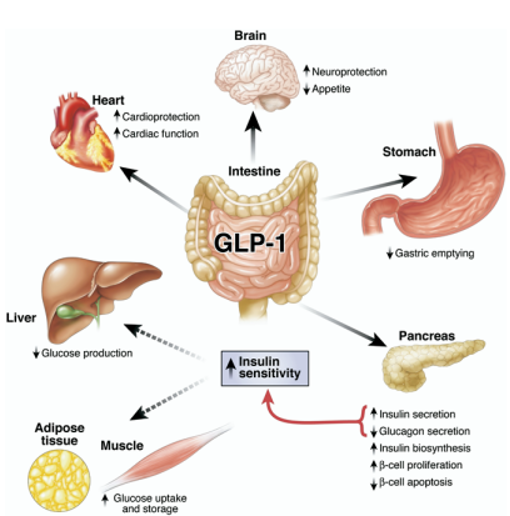
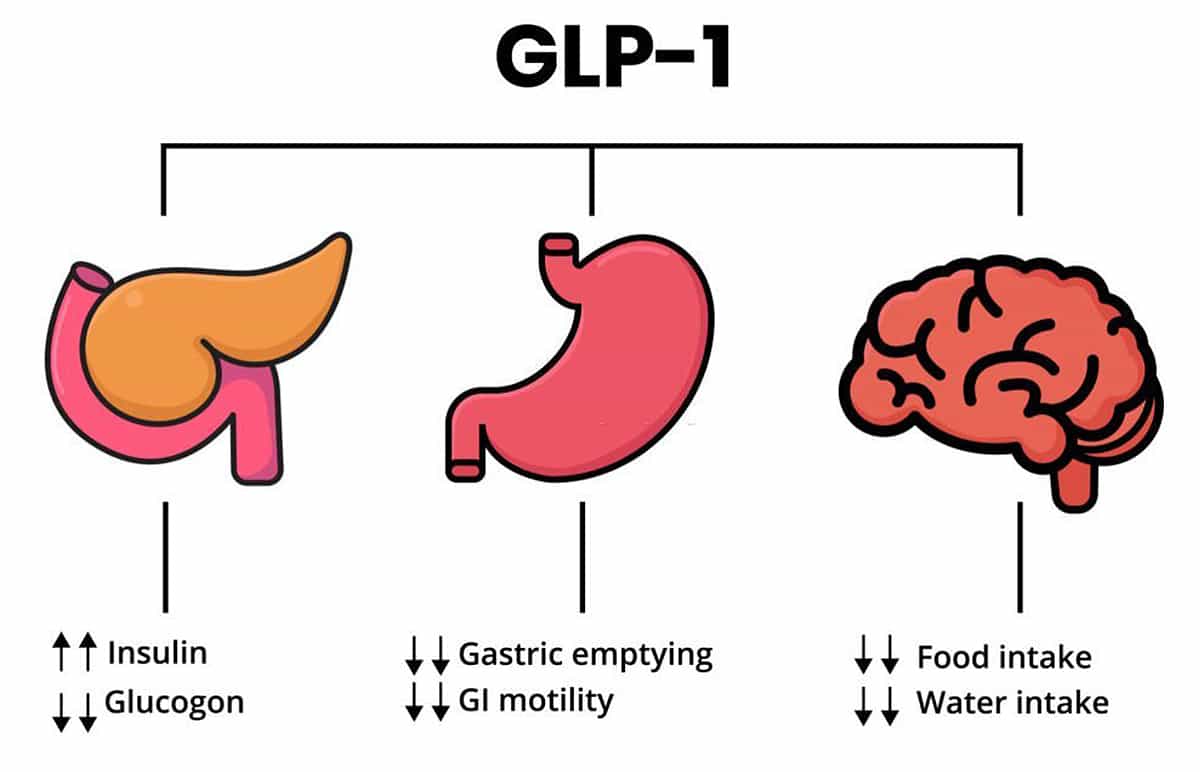
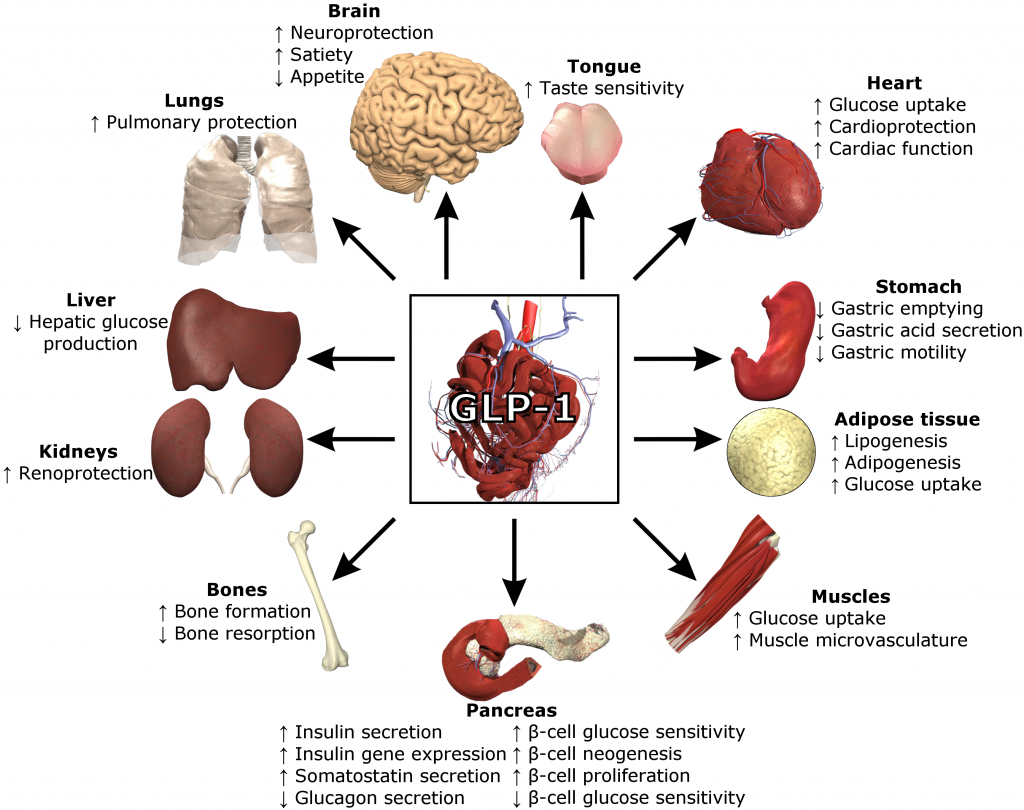
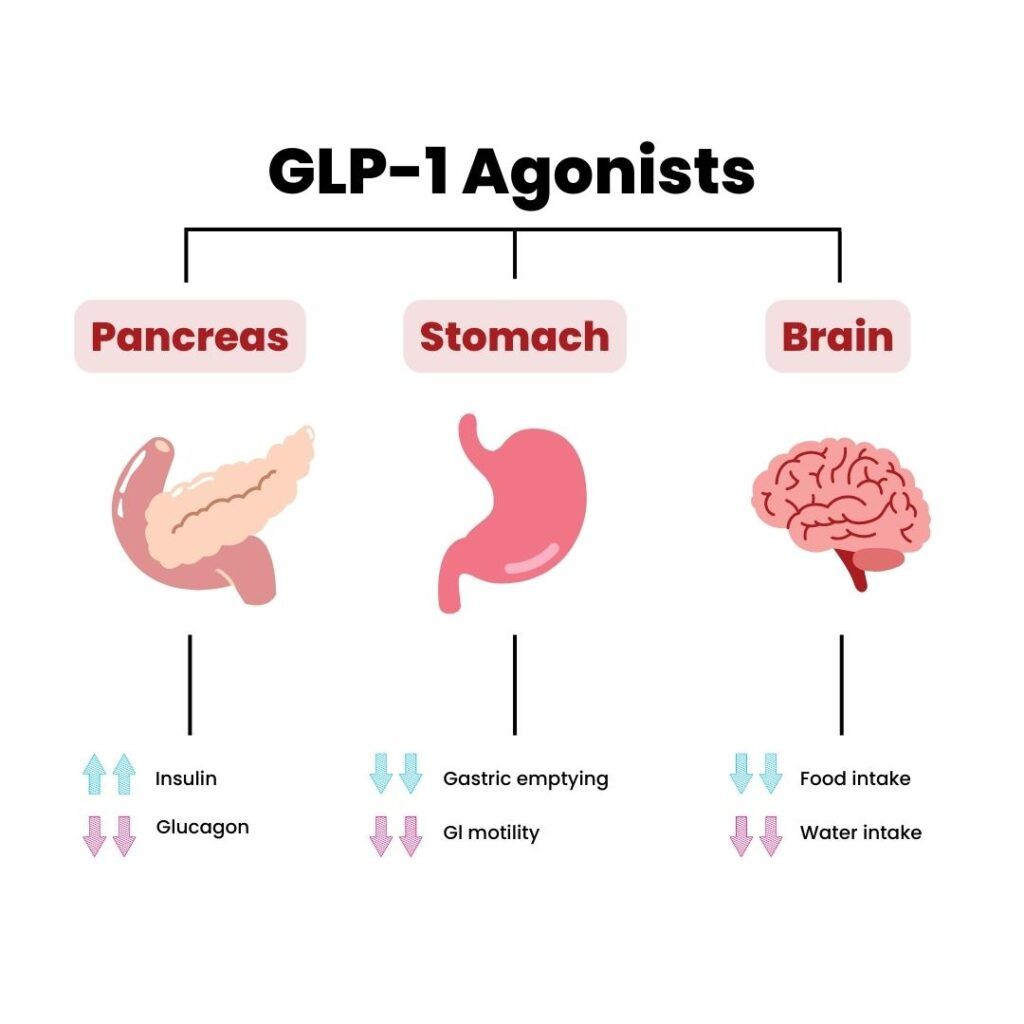
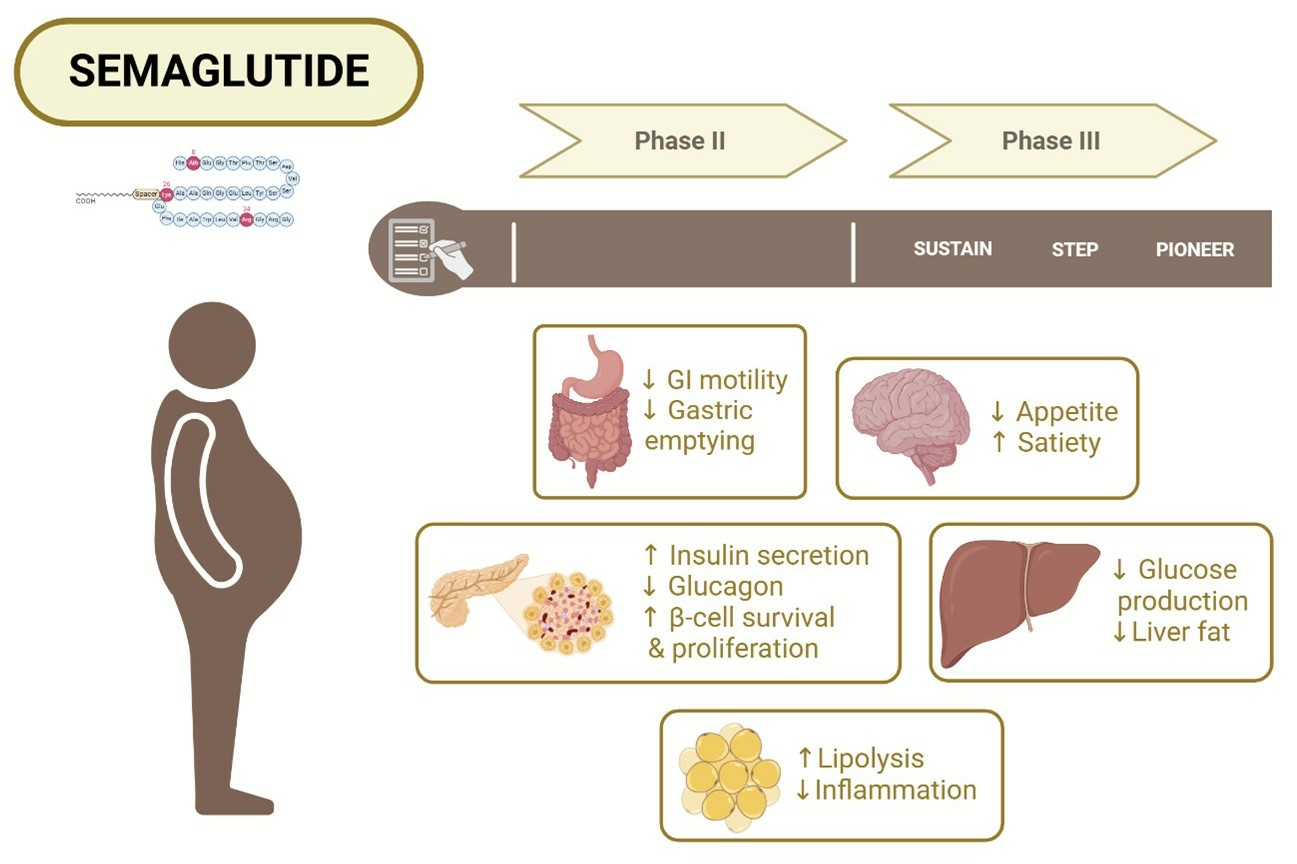
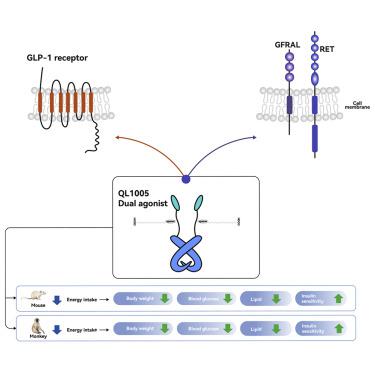
GLP-1 is an intestinal hormone released in response to meal ingestion, which enhances insulin secretion from pancreatic β-cells and inhibits glucagon release. GLP-1 receptor agonists (GLP-1RAs) mimic the action of endogenous GLP-1, promoting weight loss by suppressing appetite, improving glycemic control, and enhancing energy expenditure.

The Triple Impact of GLP-1 on Fat Metabolism
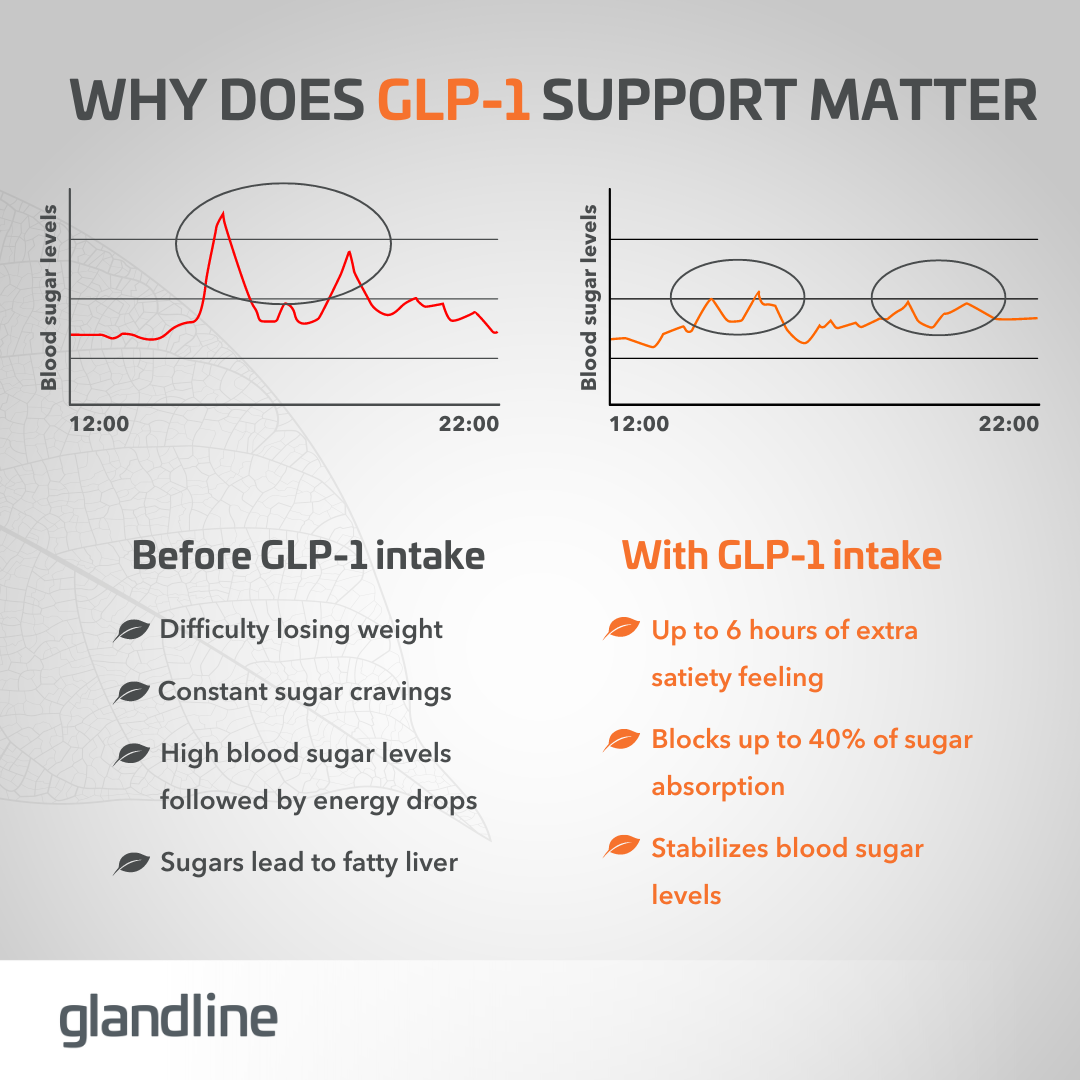
- Appetite Regulation**: GLP-1RAs have been shown to reduce appetite and food intake, leading to a decrease in calorie consumption.
- Thermogenesis**: GLP-1 stimulates thermogenesis, the process by which the body generates heat, which increases energy expenditure and promotes fat loss.
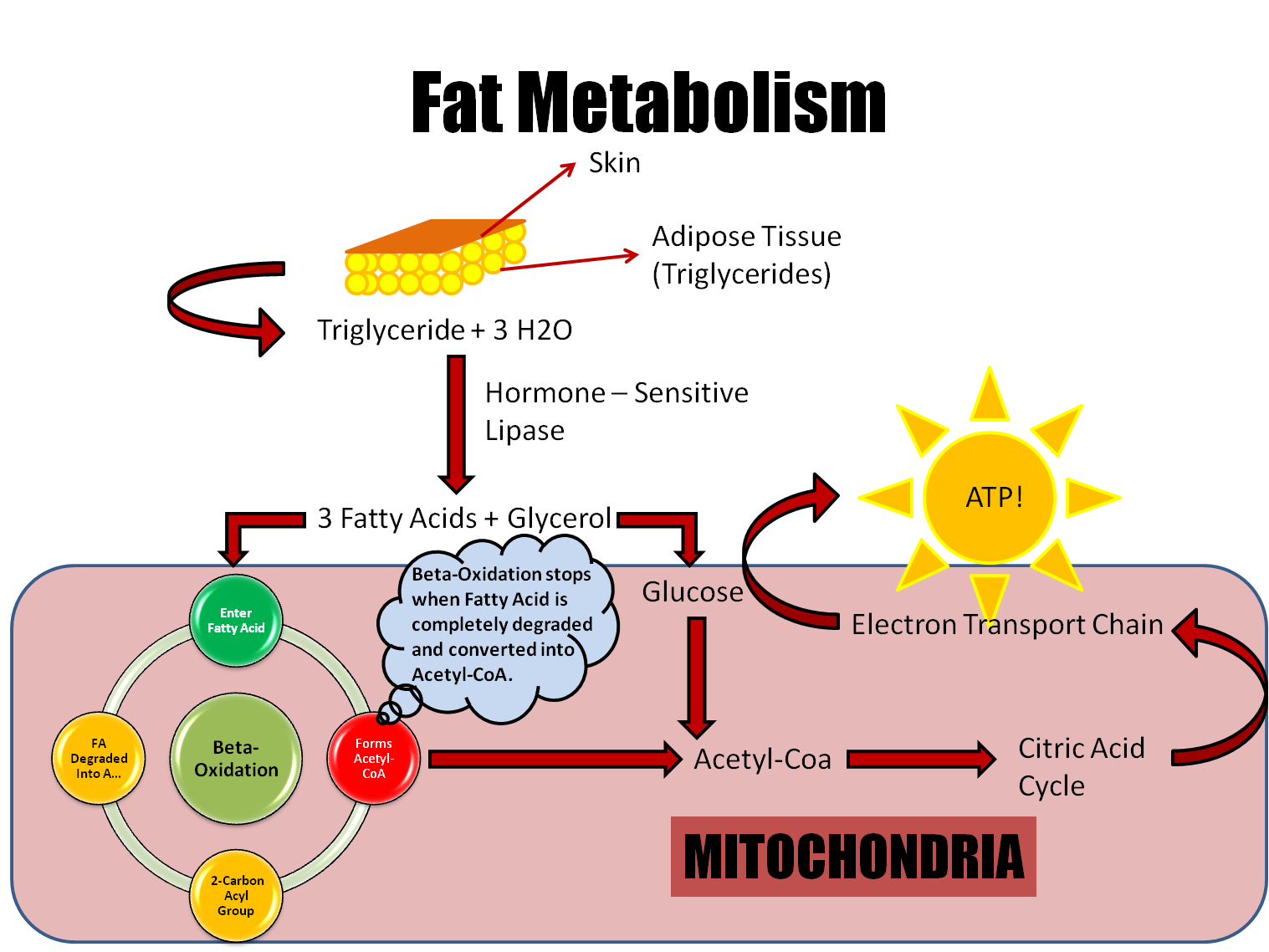
- Metabolic Regulation**: GLP-1RAs modulate glucose and lipid metabolism, promoting healthier fat storage and utilization.