Glucagon-like Peptide-1 (GLP-1) Therapy for Food Addiction: A Breakthrough in Treatment
Food addiction, also known as binge eating disorder, affects millions of people worldwide, leading to weight gain, obesity, and various health complications. Traditional treatment options for food addiction often involve psychological therapies and medication, which may not be effective for everyone. Recently, researchers have been exploring the potential of GLP-1 therapy for food addiction, and the results are promising.
What is GLP-1 Therapy?
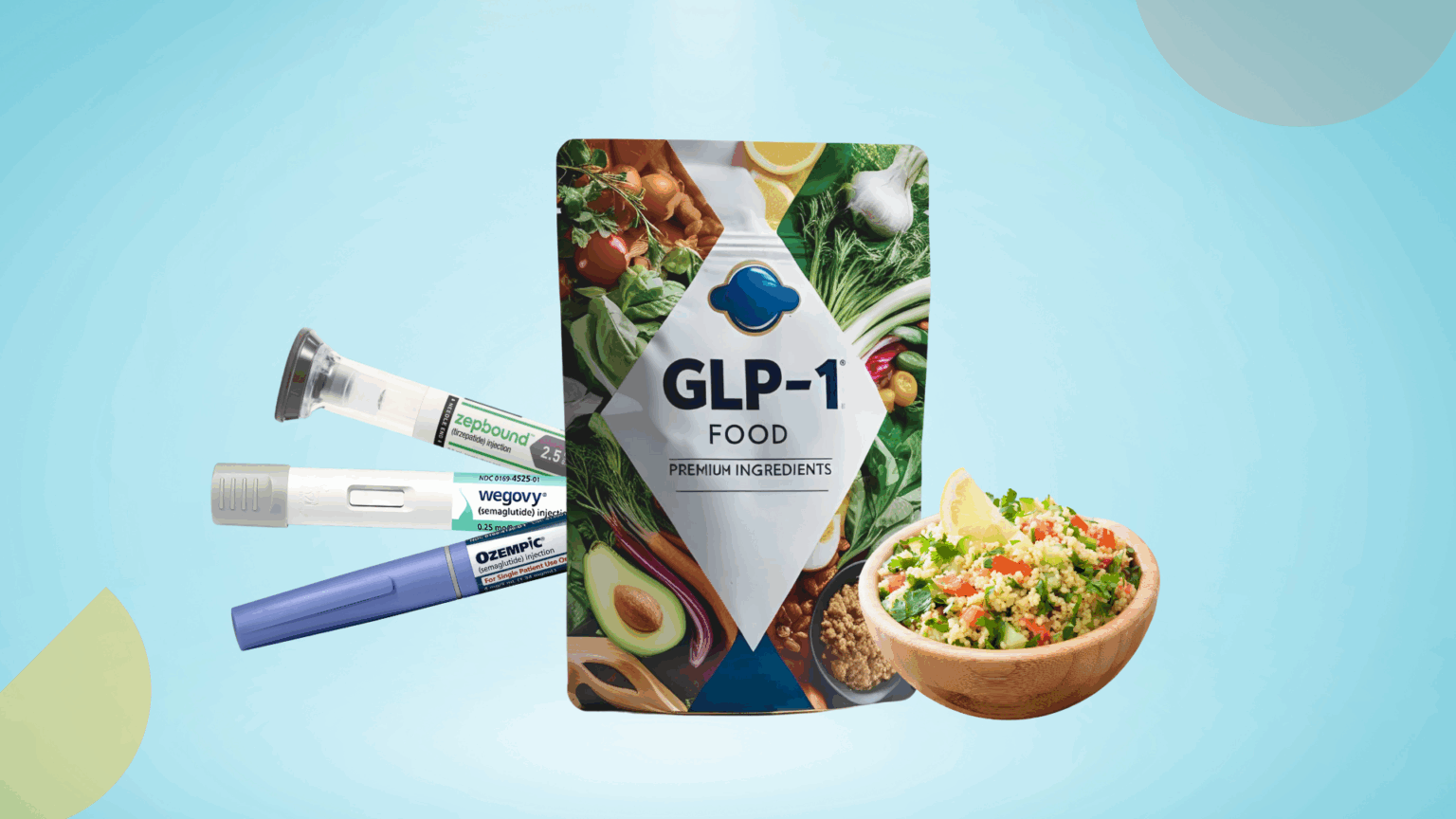
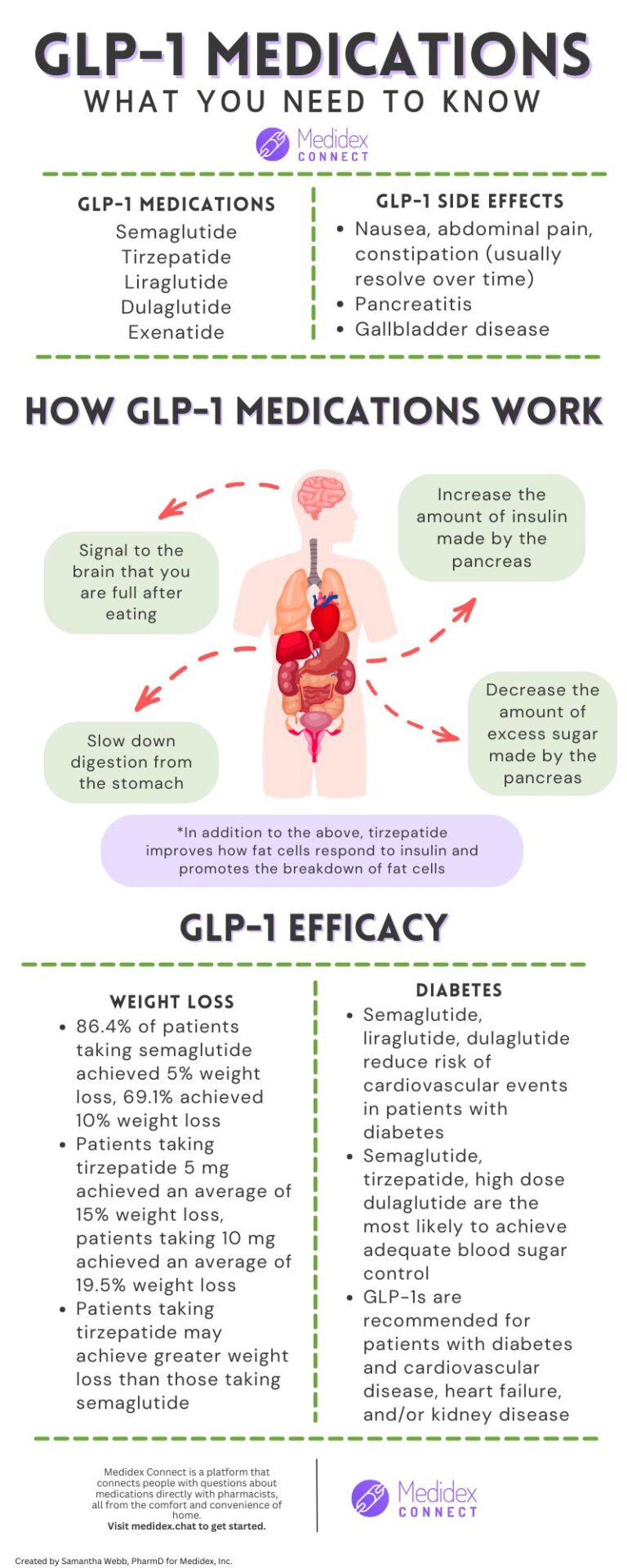
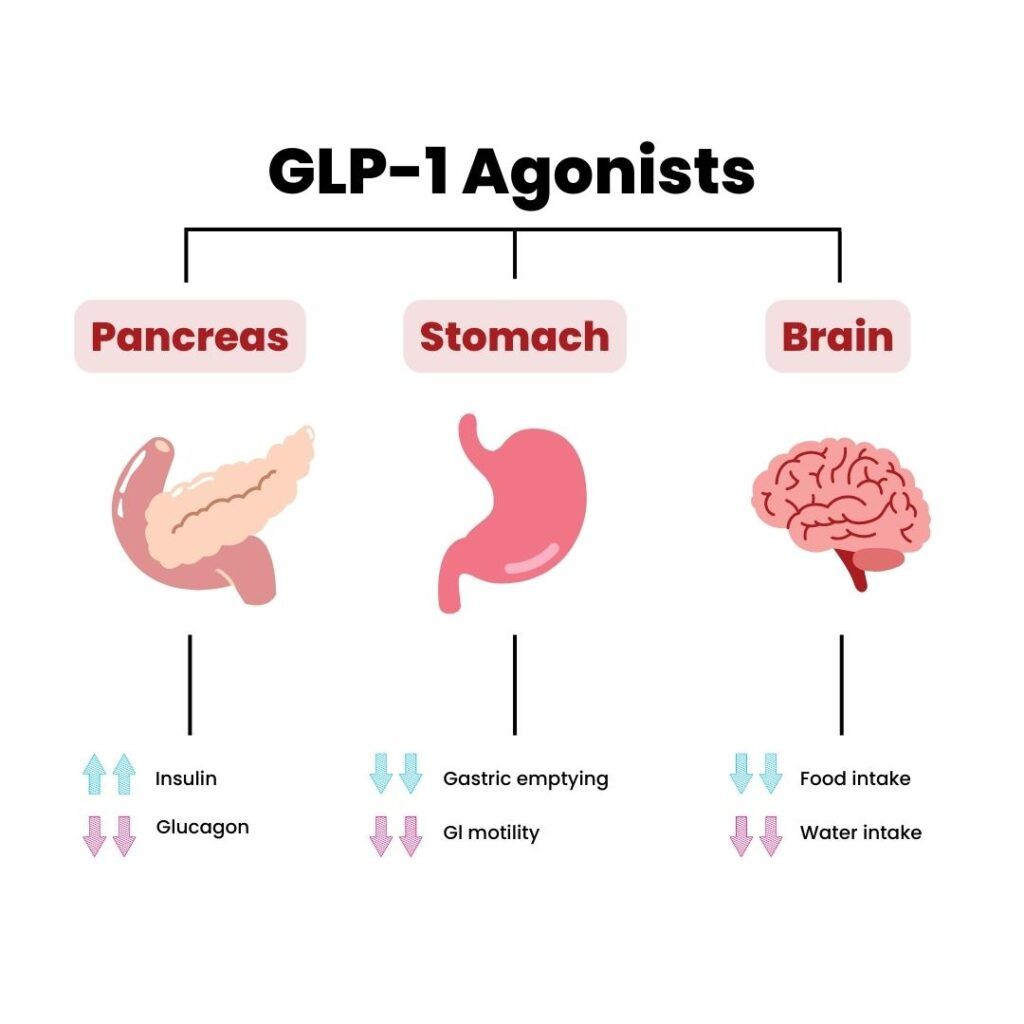
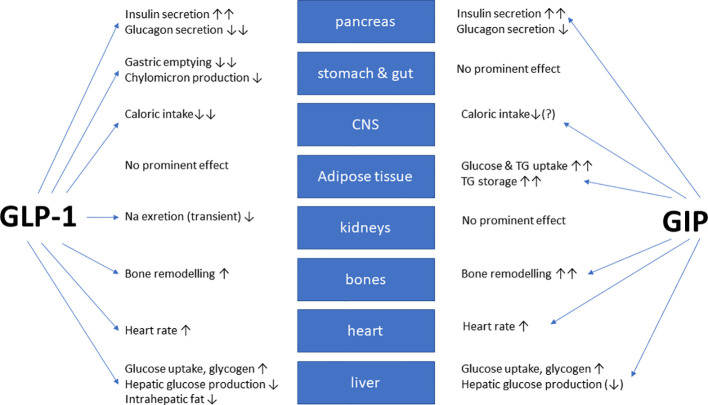
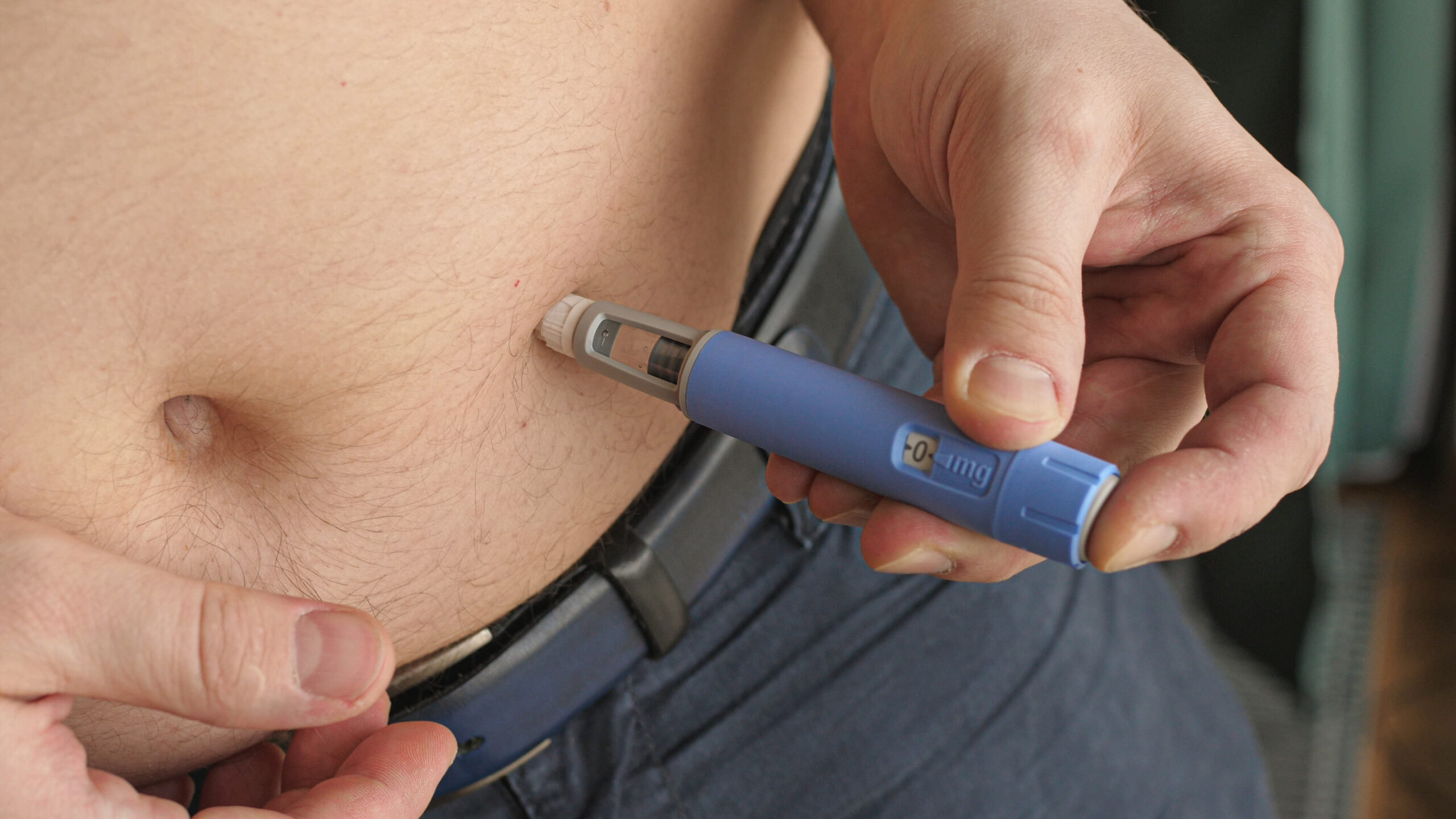
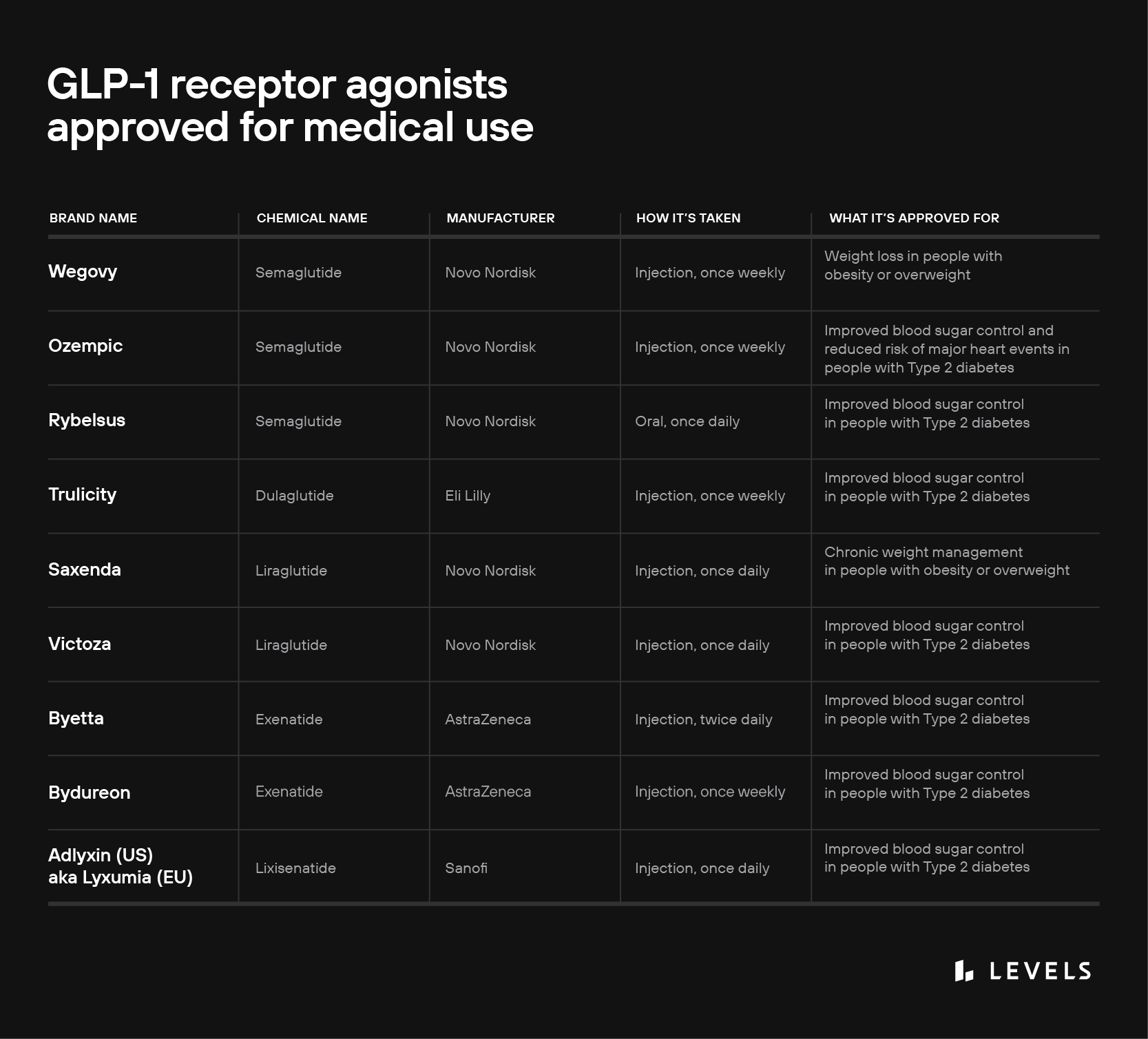
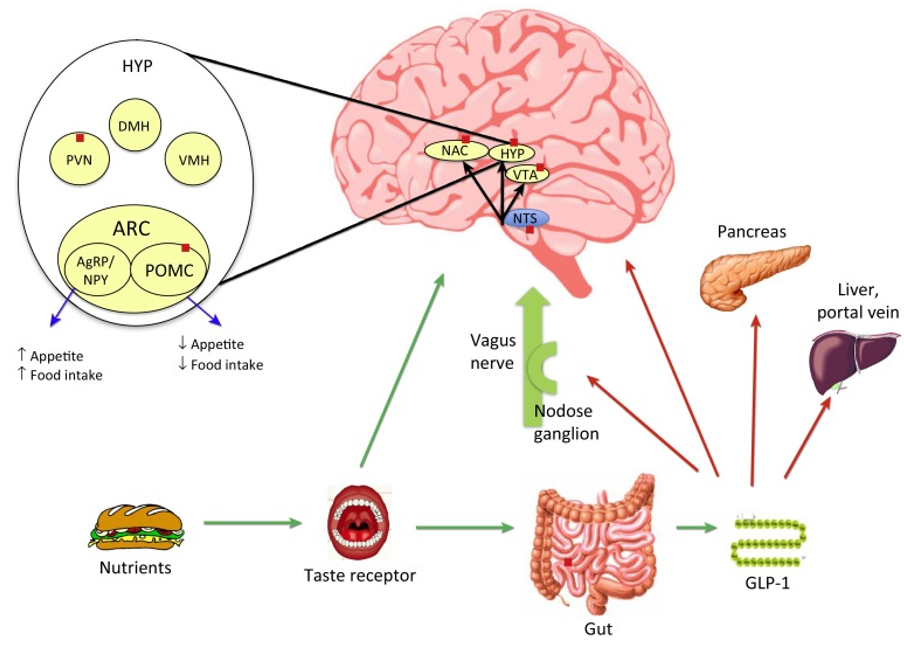
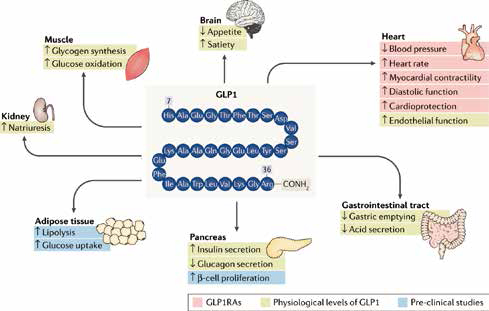
GLP-1 is a hormone produced by the intestines that helps regulate appetite, digestion, and insulin release. GLP-1 receptors are found throughout the body, including the brain, where they play a crucial role in modulating food cravings and reward pathways. GLP-1 medications, such as semaglutide (Ozempic/Wegovy), mimic the action of natural GLP-1, slowing gastric emptying, increasing satiety, reducing hunger and food cravings, and influencing reward pathways related to eating behavior.
How Does GLP-1 Therapy Work for Food Addiction?
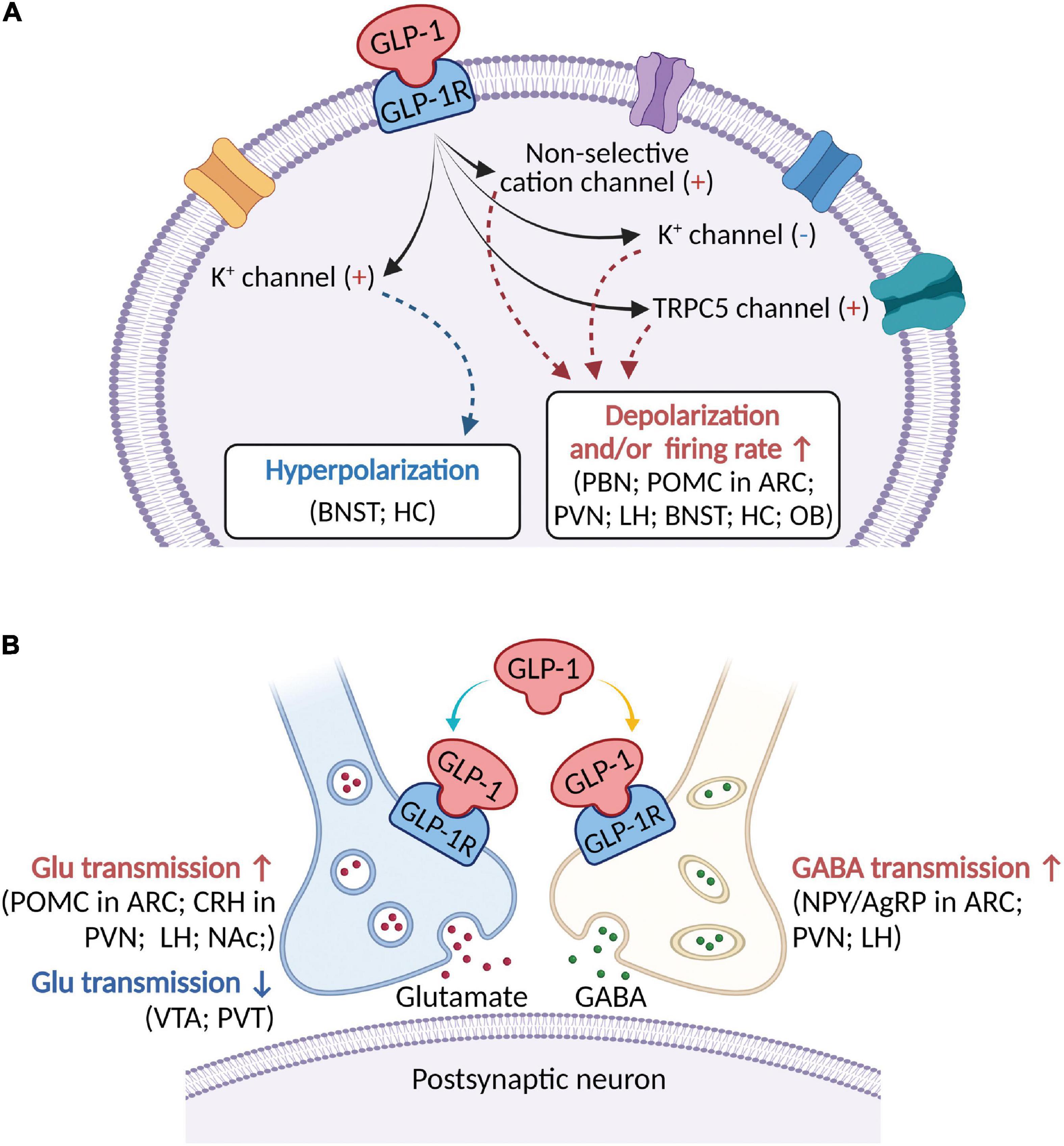
Research suggests that GLP-1 medications may help reduce food addiction by targeting the brain's reward system, specifically the dopamine pathways responsible for craving and compulsive behavior. Studies have shown that GLP-1 receptor agonists can reduce food intake, improve weight management, and decrease symptoms of food addiction. Additionally, GLP-1 therapy has been found to modify brain regions involved in food cravings, including the amygdala and prefrontal cortex. These changes may contribute to a reduction in food addiction symptoms.