GLP-1 and Weight Loss for Insulin Resistance: A Breakthrough in Managing Type 2 Diabetes
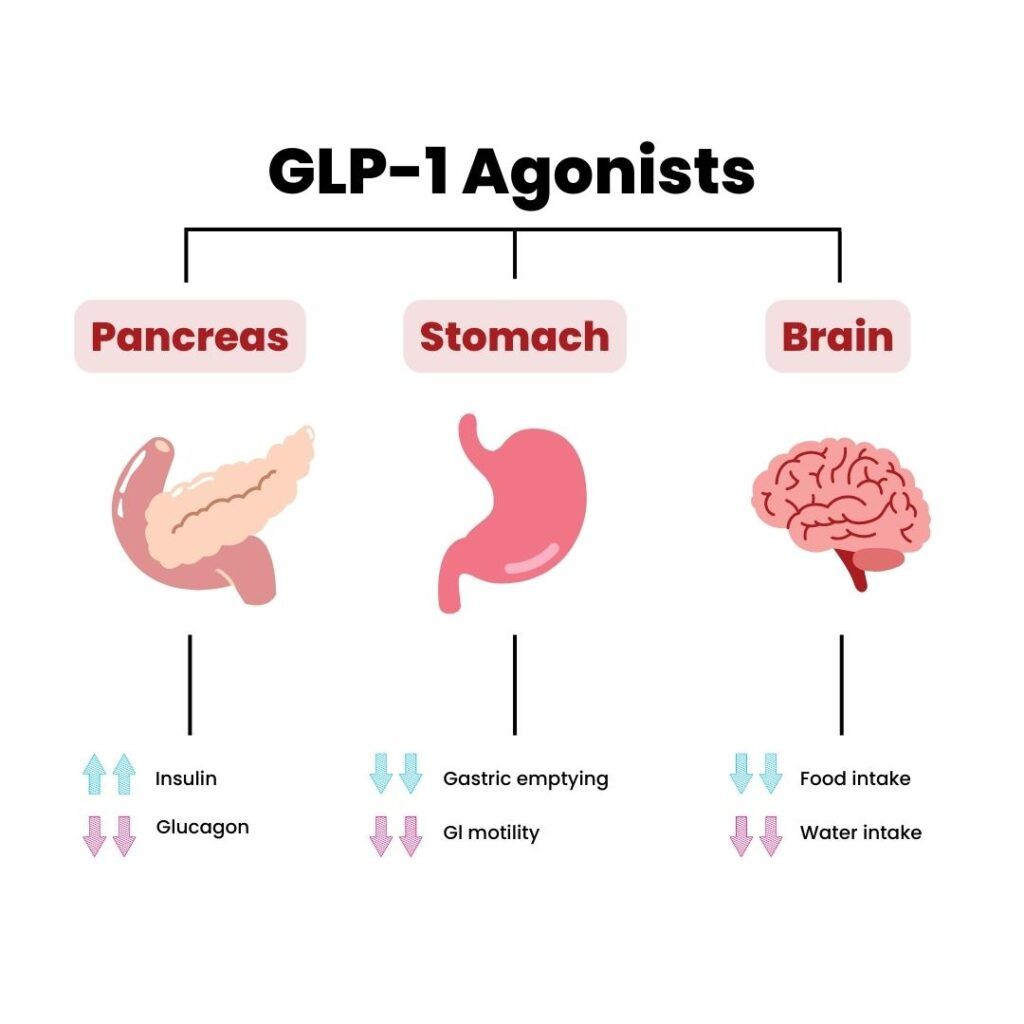
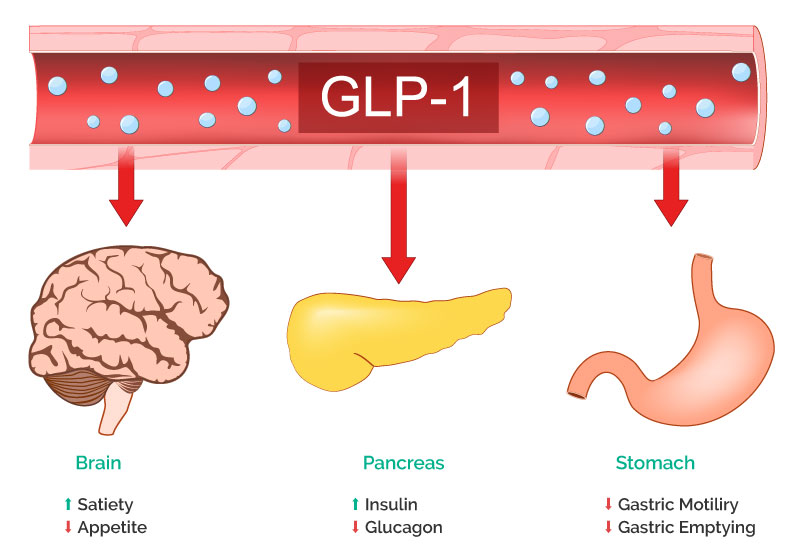
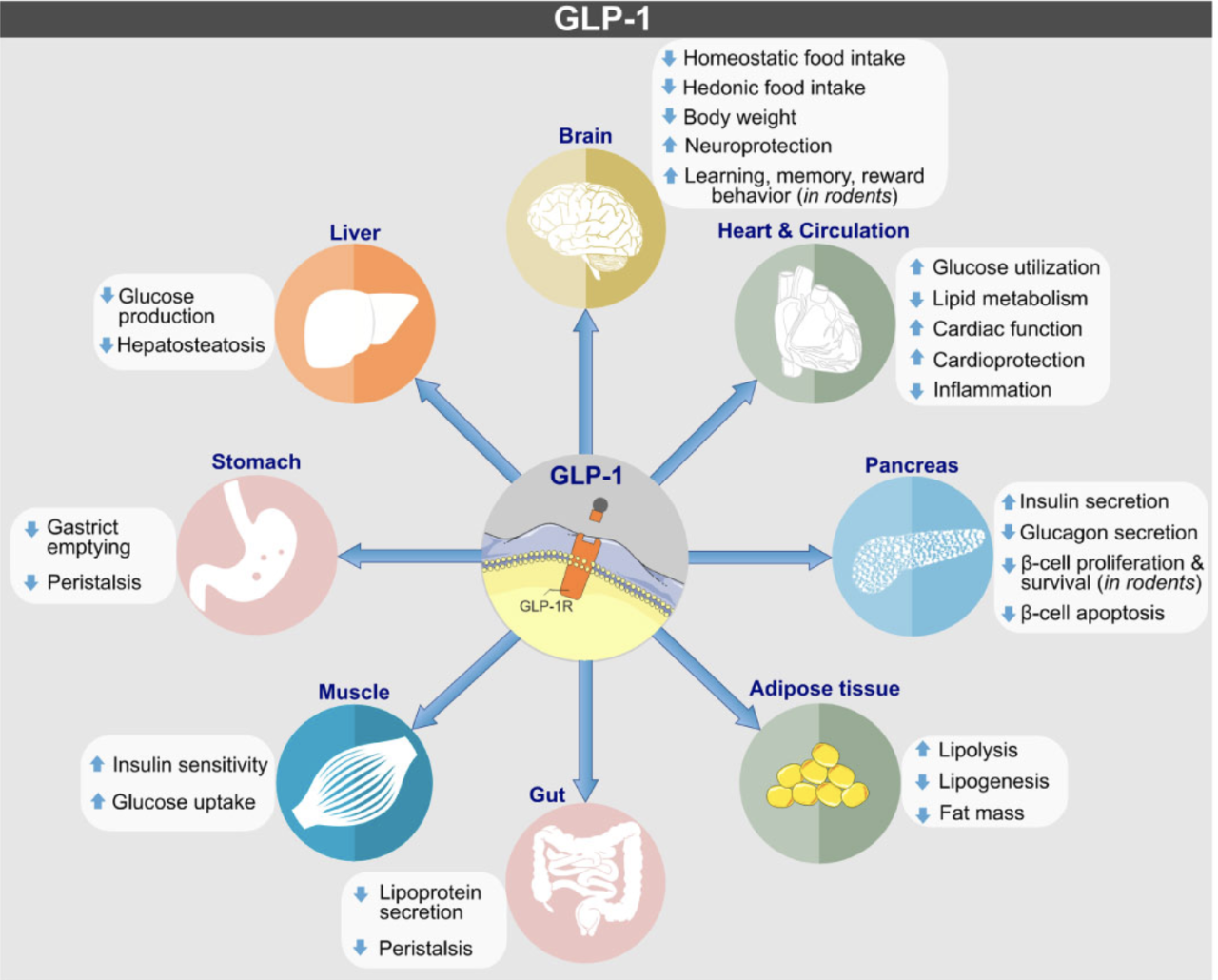
Glucagon-like peptide-1 (GLP-1) receptor agonists have gained widespread acceptance as a treatment for individuals with type 2 diabetes, due to their impressive weight loss-promoting effects, ability to augment β-cell function, and cardiovascular protective effects. However, despite their potential in reducing weight and improving insulin sensitivity, there is still a need for further understanding of their mechanisms of action and their impact on insulin resistance.
The Active Role of GLP-1 in Promoting Weight Loss and Improving Insulin Sensitivity

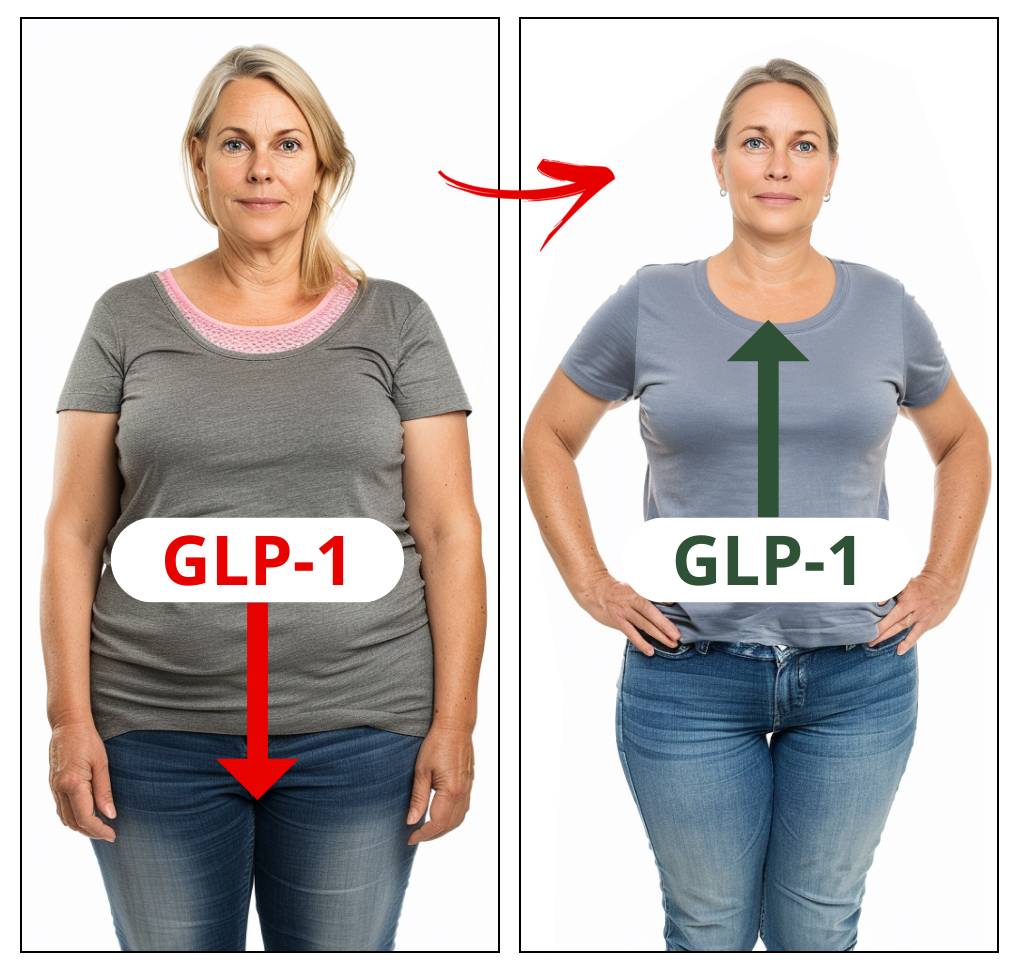
GLP-1 receptor agonists, such as liraglutide and semaglutide, have been shown to induce significant weight loss in individuals with type 2 diabetes, as well as those with obesity and pre-diabetes. These weight loss-promoting effects are not limited to behavior-based changes, but rather are driven by direct action on the body's metabolic pathways. Research has highlighted the importance of GLP-1 receptor agonists in improving insulin sensitivity, an essential factor in controlling blood sugar levels in individuals with type 2 diabetes.
- GLP-1 receptor agonists exhibit rapid, weight loss-independent effects on insulin sensitivity.
- These effects are not achieved through increasing endogenous GLP-1 levels.
- GLP-1 receptor agonists have been shown to facilitate glucose-dependent insulin secretion, ultimately leading to improved insulin sensitivity.






.png "Women Over 40 & GLP-1: Hormonal Considerations 2026")