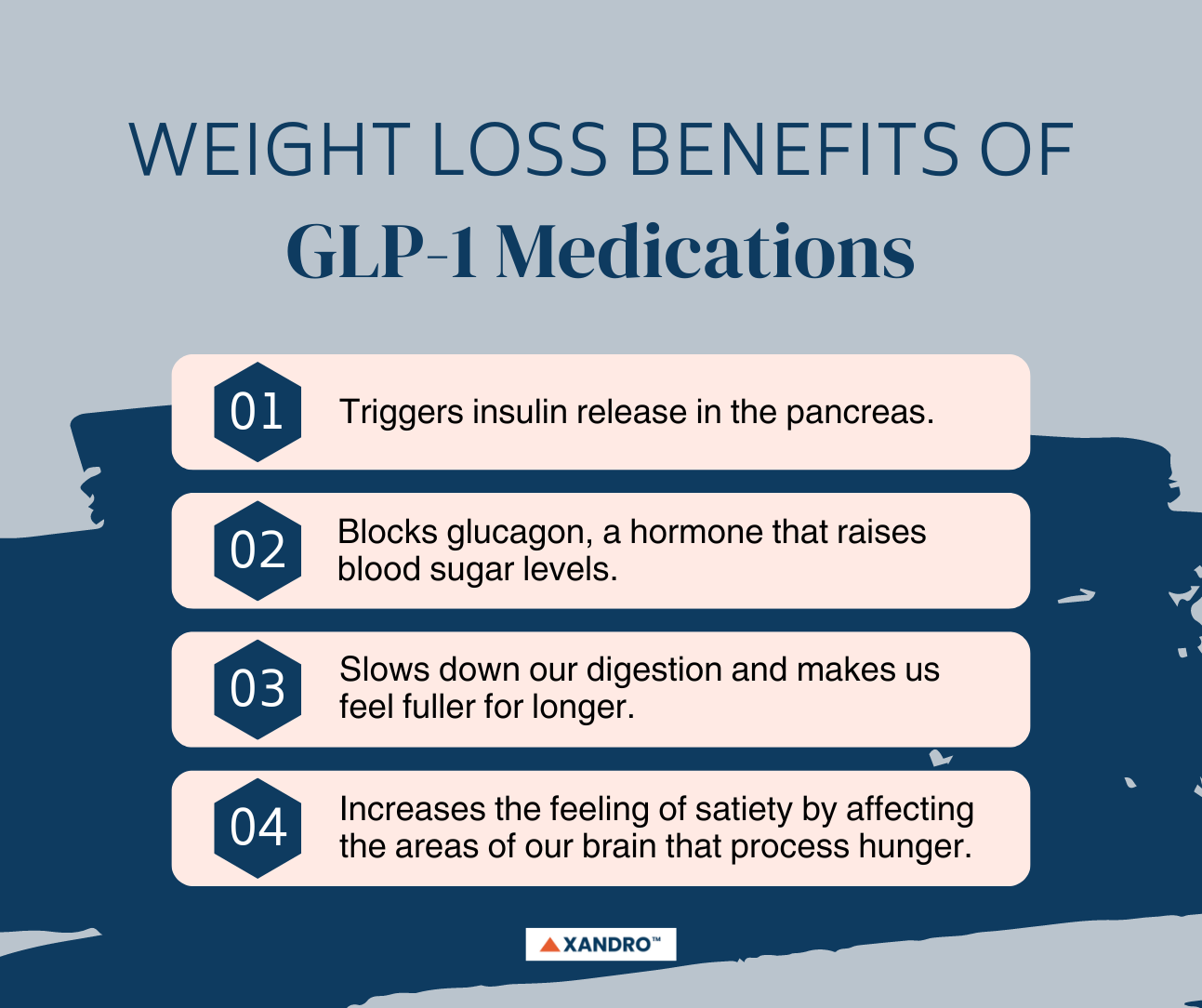
Understanding GLP-1 and Sugar Cravings: What You Need to Know
When you start taking GLP-1 medications like Ozempic or Wegovy, you might be surprised if you still experience sugar cravings. You're not alone! Many people who take GLP-1 medications struggle with sugar cravings, even though these medications are designed to help with weight loss and blood sugar control.
The Science Behind GLP-1 and Sugar Cravings
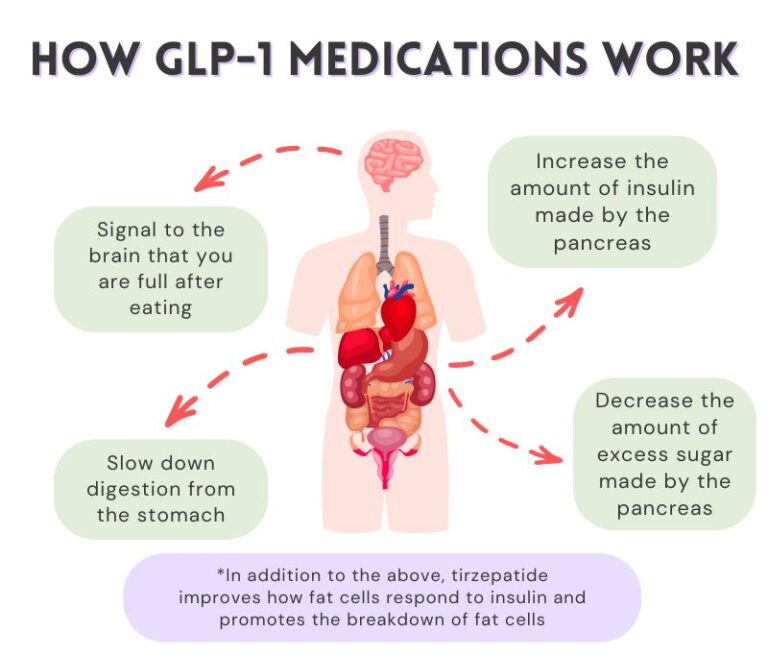
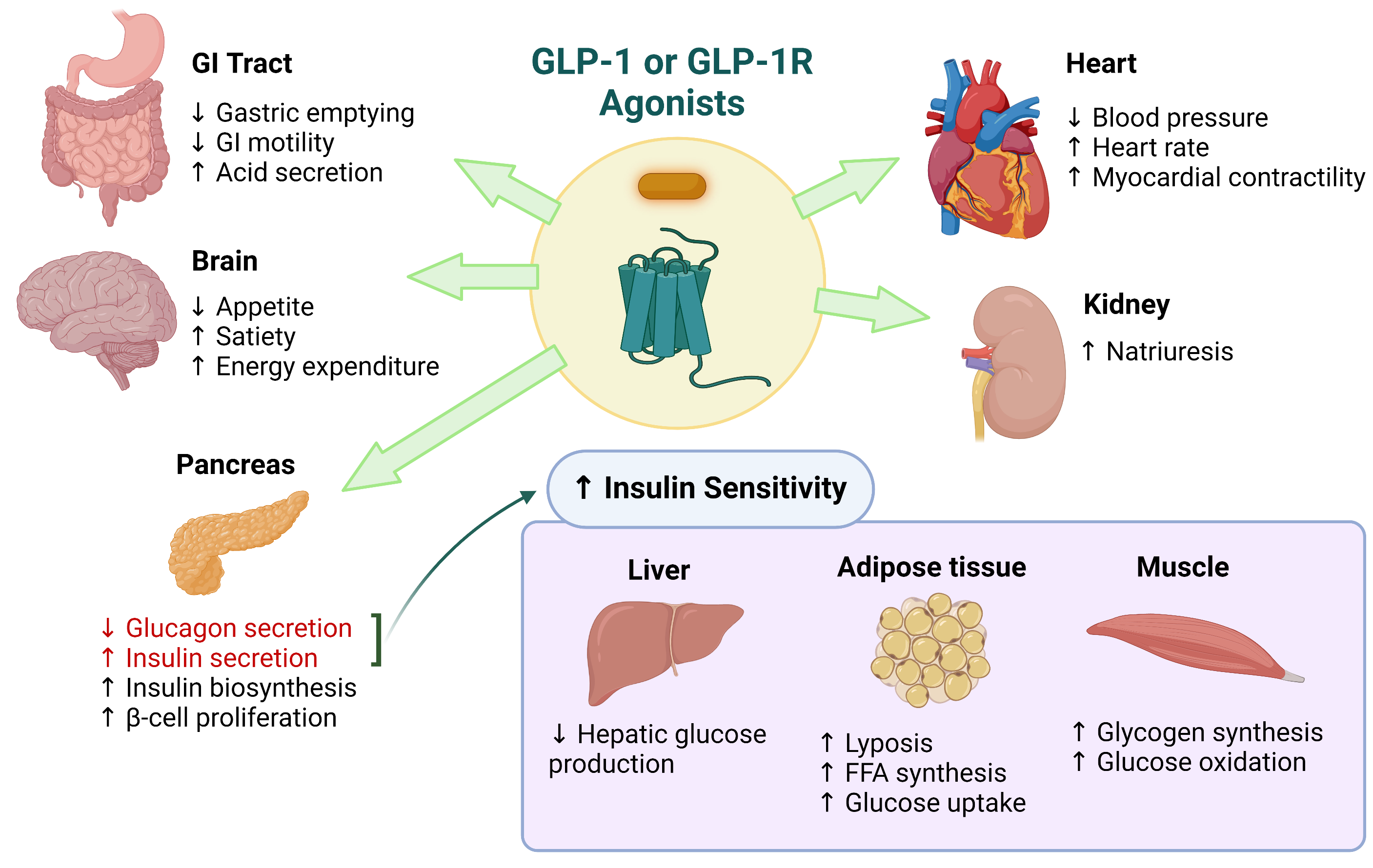
GLP-1, or glucagon-like peptide-1, is a hormone that plays a crucial role in regulating appetite, blood sugar levels, and glucose metabolism. When GLP-1 receptors are activated, they signal the pancreas to produce more insulin, slowing down gastric emptying and promoting a feeling of fullness. This is why GLP-1 medications like Ozempic and Wegovy can lead to significant weight loss and improved blood sugar control.
The Problem with Sugar Cravings
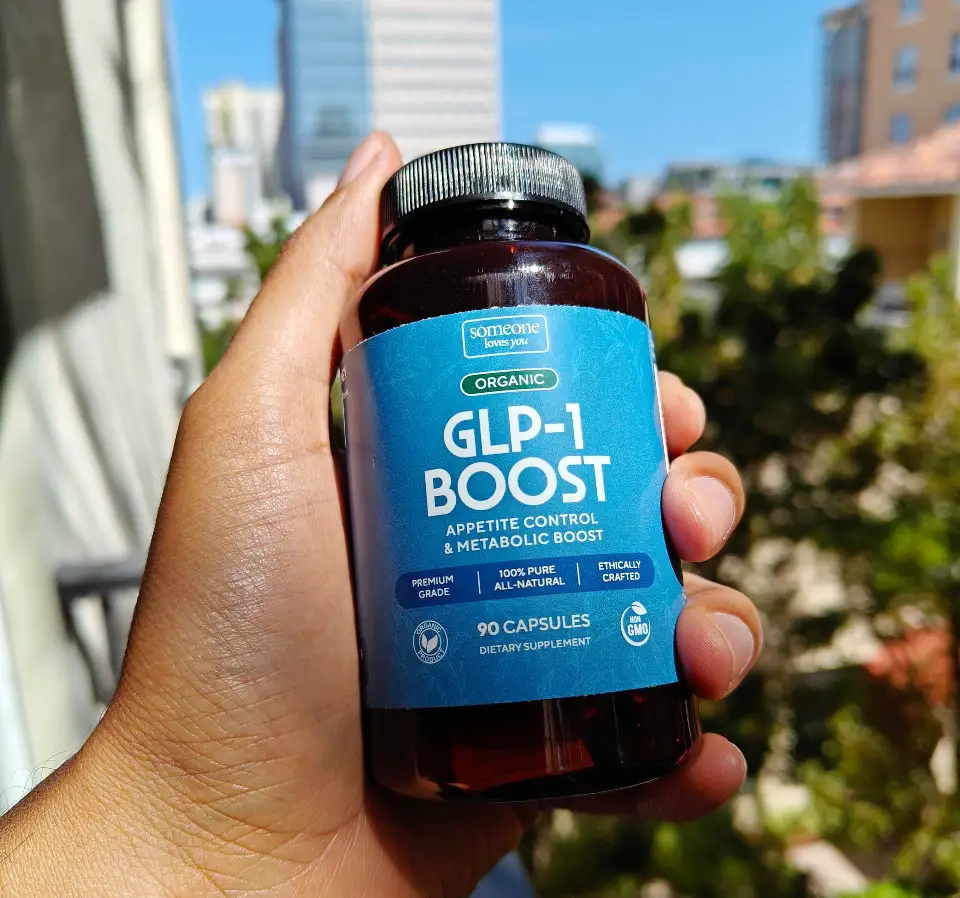
- Unstable blood sugar levels can lead to energy crashes, sugar cravings, and difficulty controlling eating habits.
- GLP-1 medications can actually contribute to sugar cravings by altering brain chemistry and reducing feelings of fullness.
- Research suggests that certain nutrients, such as chromium and berberine, may help regulate sugar cravings and improve glucose metabolism.
Why Do GLP-1 Medications Sometimes Increase Sugar Cravings?
There are several reasons why GLP-1 medications might lead to sugar cravings, including: