GLP-1 and Glucose Metabolism Regulation: A Comprehensive Review
Glucagon-like peptide-1 (GLP-1) has emerged as a powerful player in regulating metabolism and a promising therapeutic target for various chronic diseases. This review delves into the physiological roles of GLP-1, exploring its impact on glucose homeostasis, insulin secretion, and satiety. We examine the compelling evidence supporting GLP-1 receptor agonists (GLP-1RAs) in managing type 2 diabetes mellitus (T2DM), obesity, and metabolic syndrome.
Physiological Roles of GLP-1
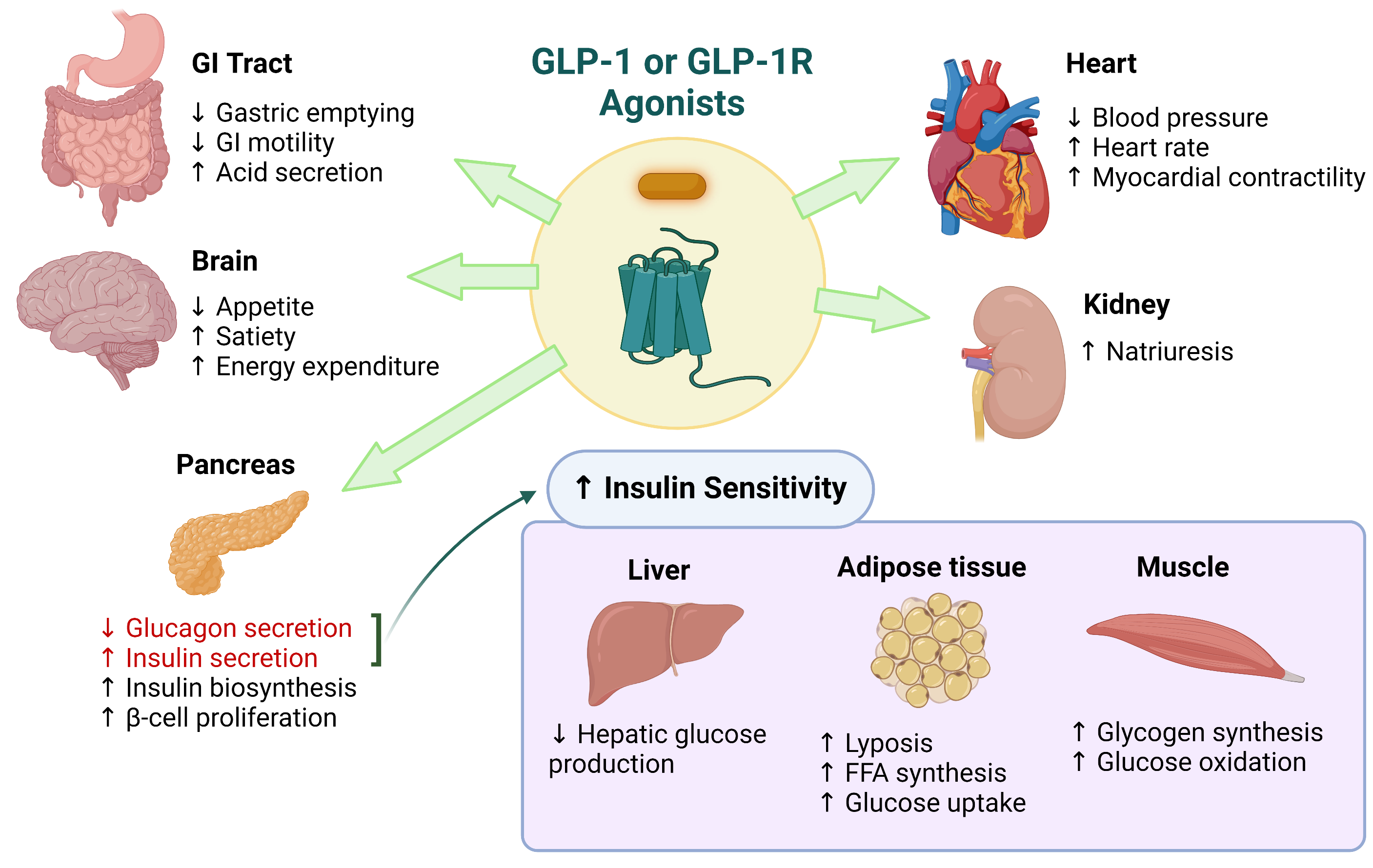
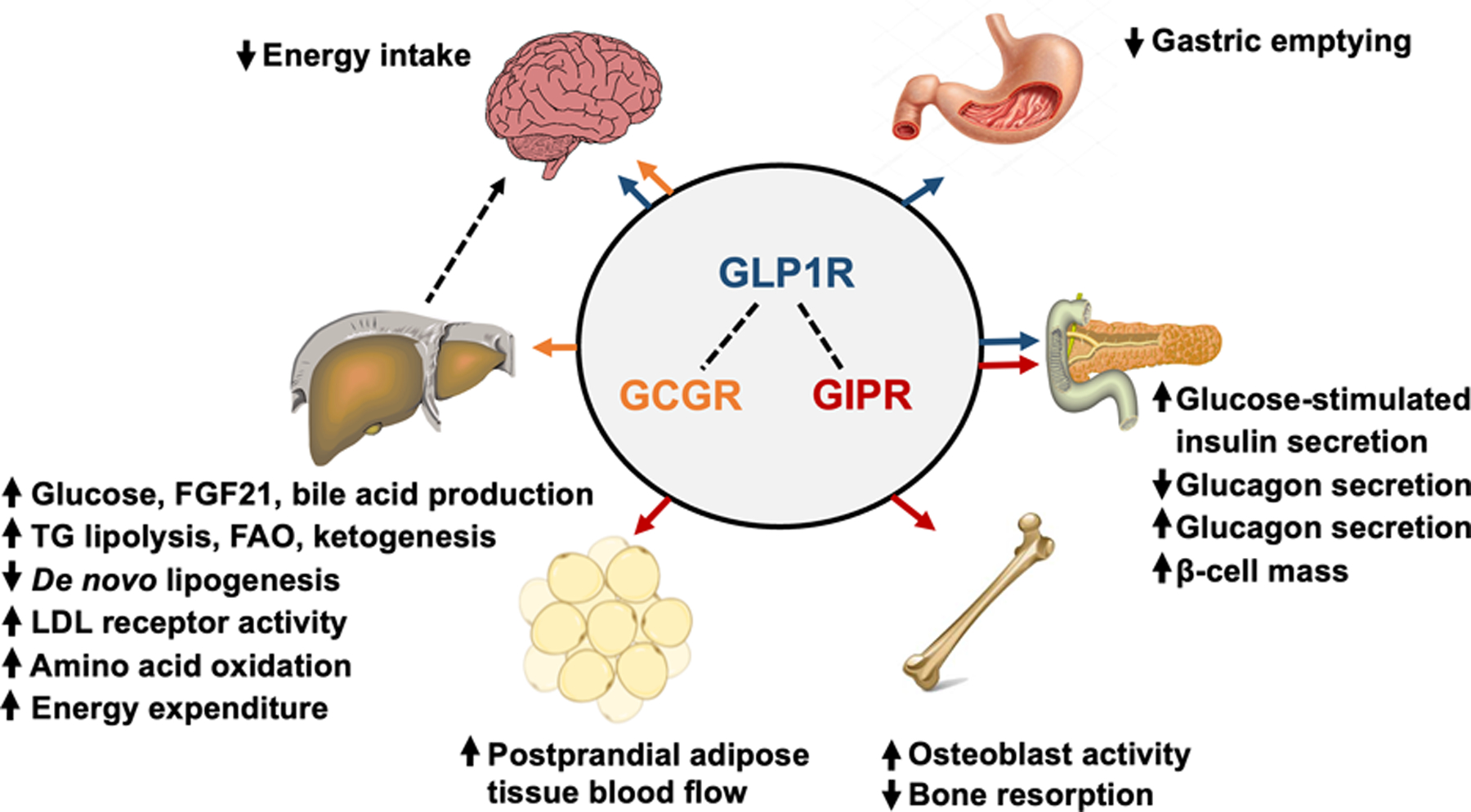
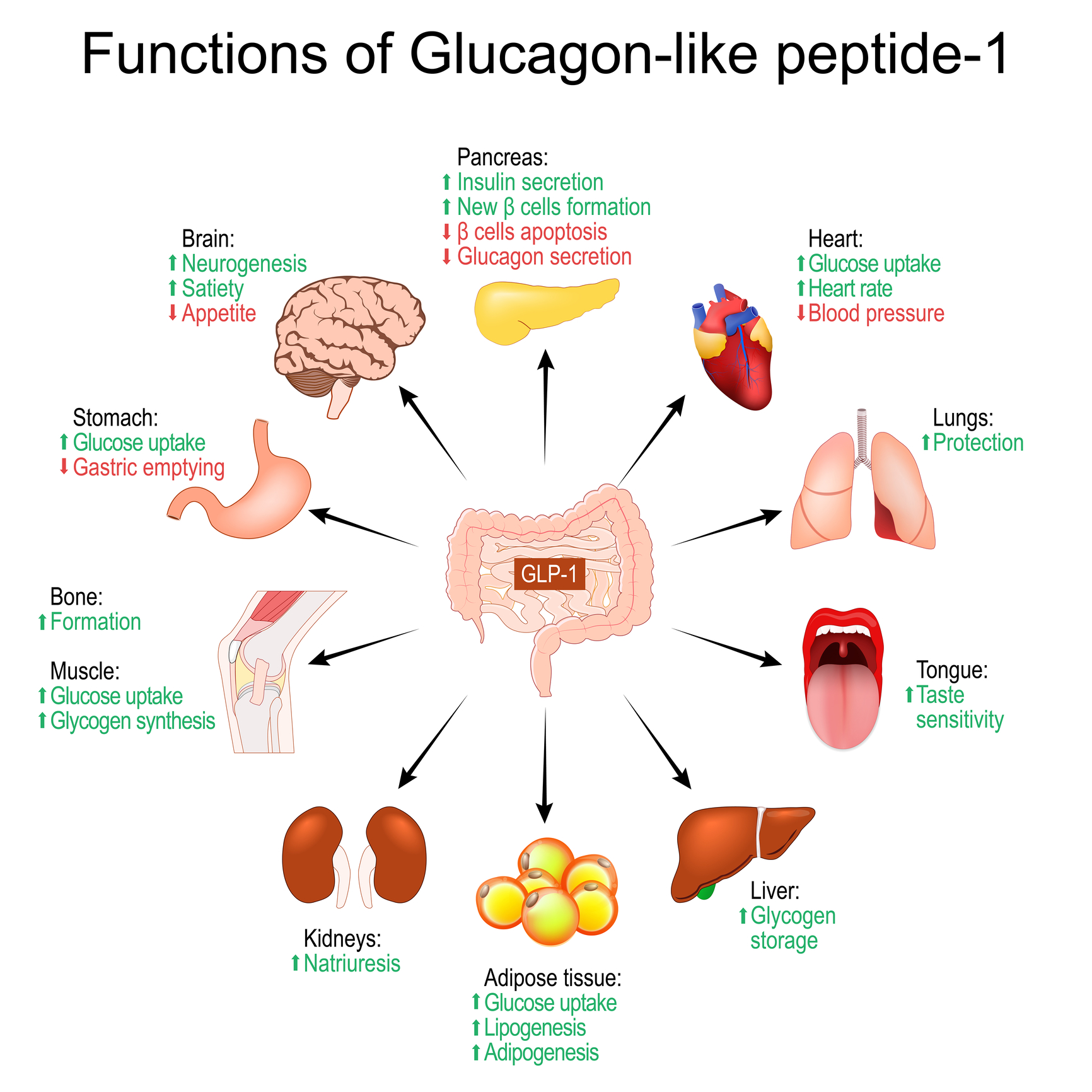
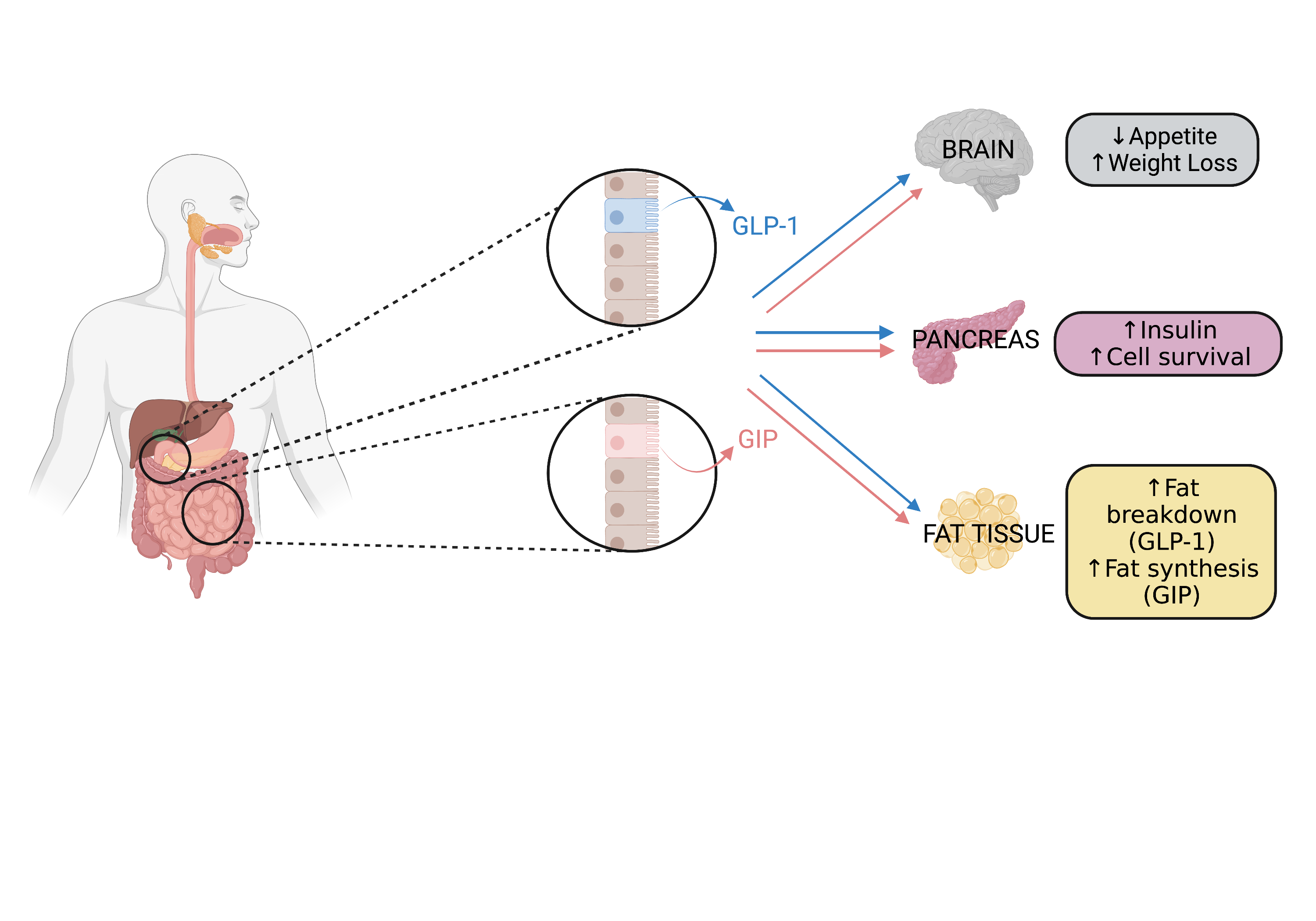
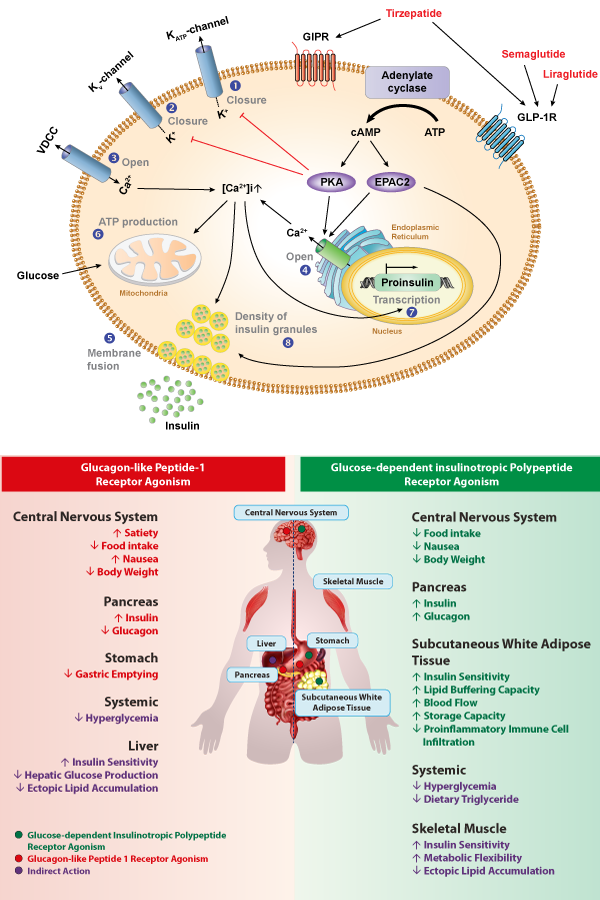
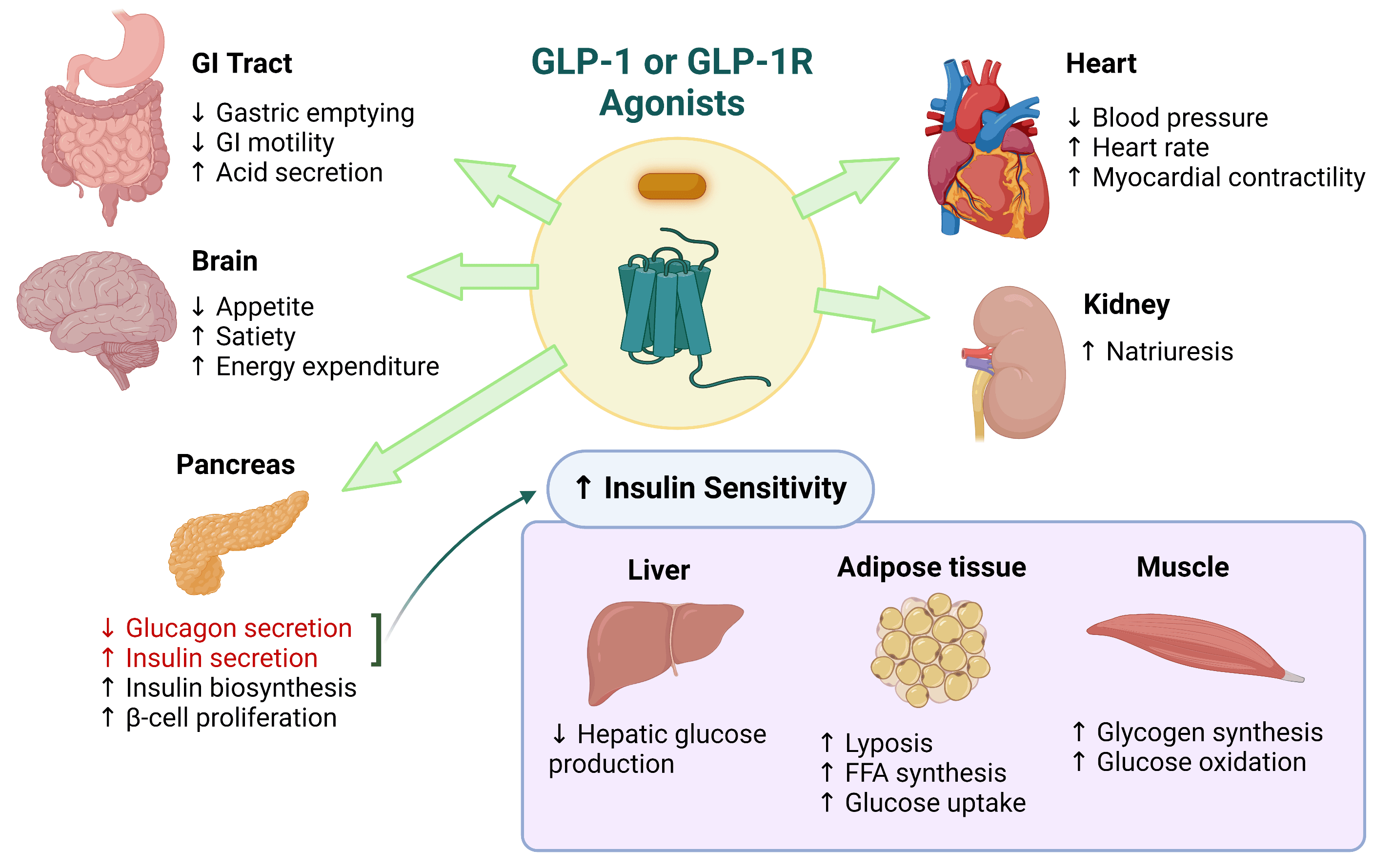
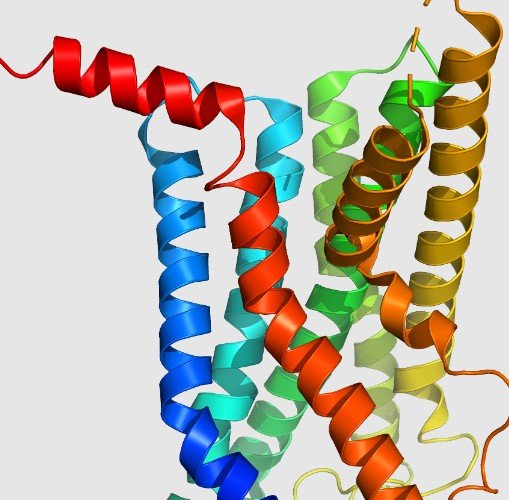
GLP-1 is a hormone released by intestinal L cells in response to food intake. It activates the GLP-1 receptor (GLP-1R) in a glucose-dependent manner, potentiating insulin release while suppressing glucagon secretion. GLP-1R is a G protein-coupled receptor that is activated directly or indirectly by blood glucose-lowering agents currently in use for the treatment of T2DM.

GLP-1 and Glucose Metabolism Regulation
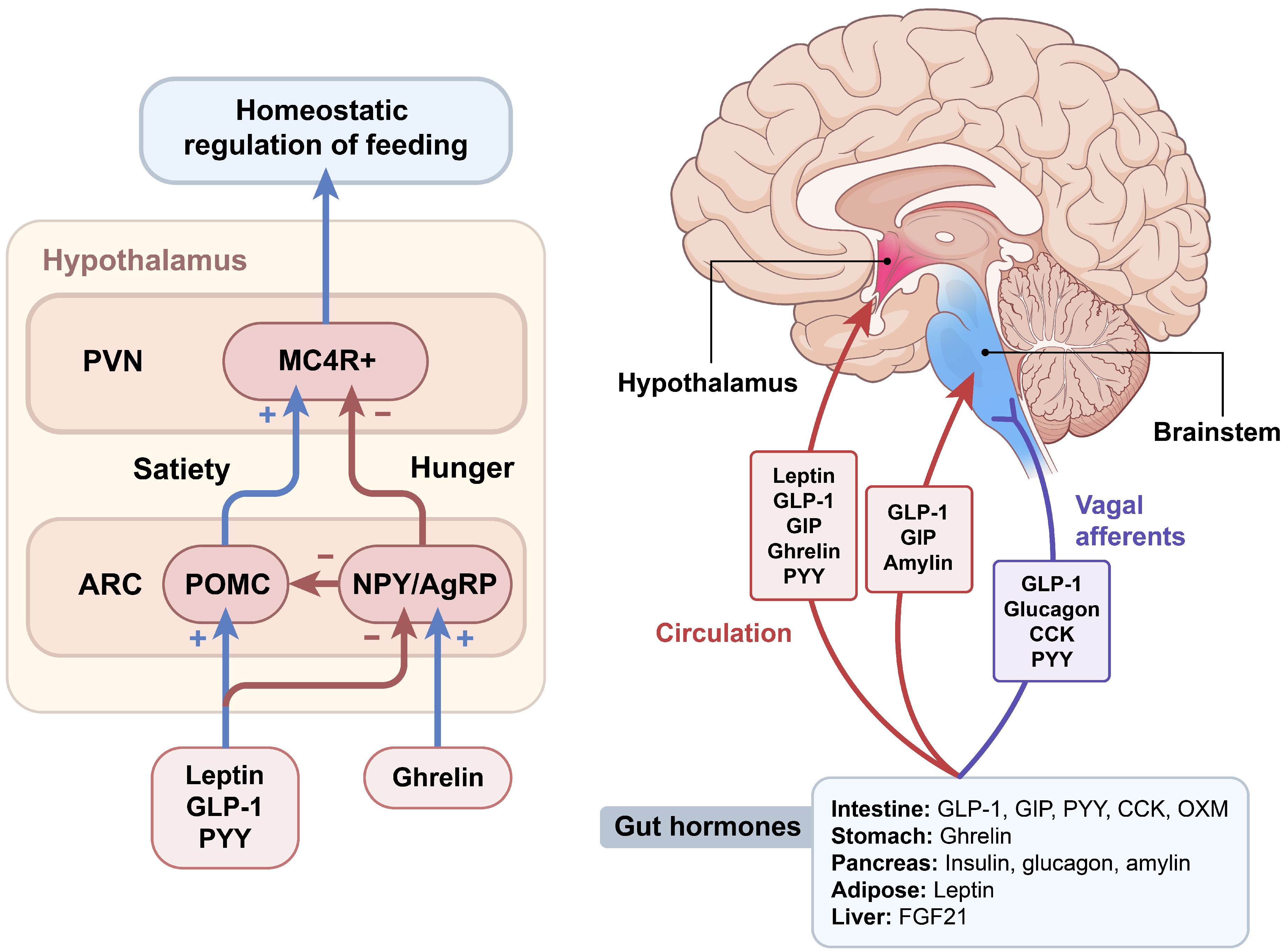
The GLP-1 receptor specifically interacts with GLP-1, a key hormone that plays an integral role in regulating blood glucose levels, lipid metabolism, and several other crucial biological functions. GLP-1 suppresses food intake through three pathways: hypothalamus, area postrema, and sensory nerves. GLP-1 has a strong blood glucose-lowering effect through pharmacological GLP-1 actions, such as gastric emptying and appetite suppression, in addition to promoting insulin secretion and inhibiting glucagon secretion.