Carbon Offset Project Financing Models: A Comprehensive Guide
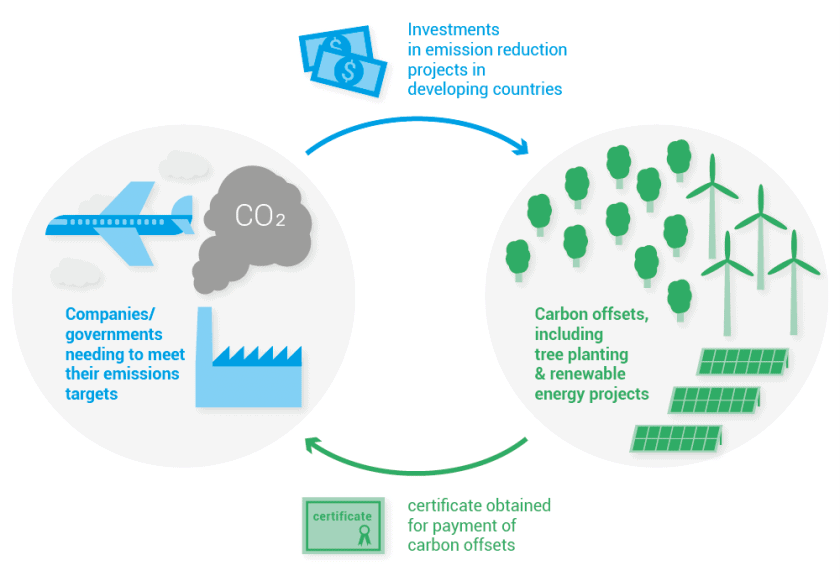
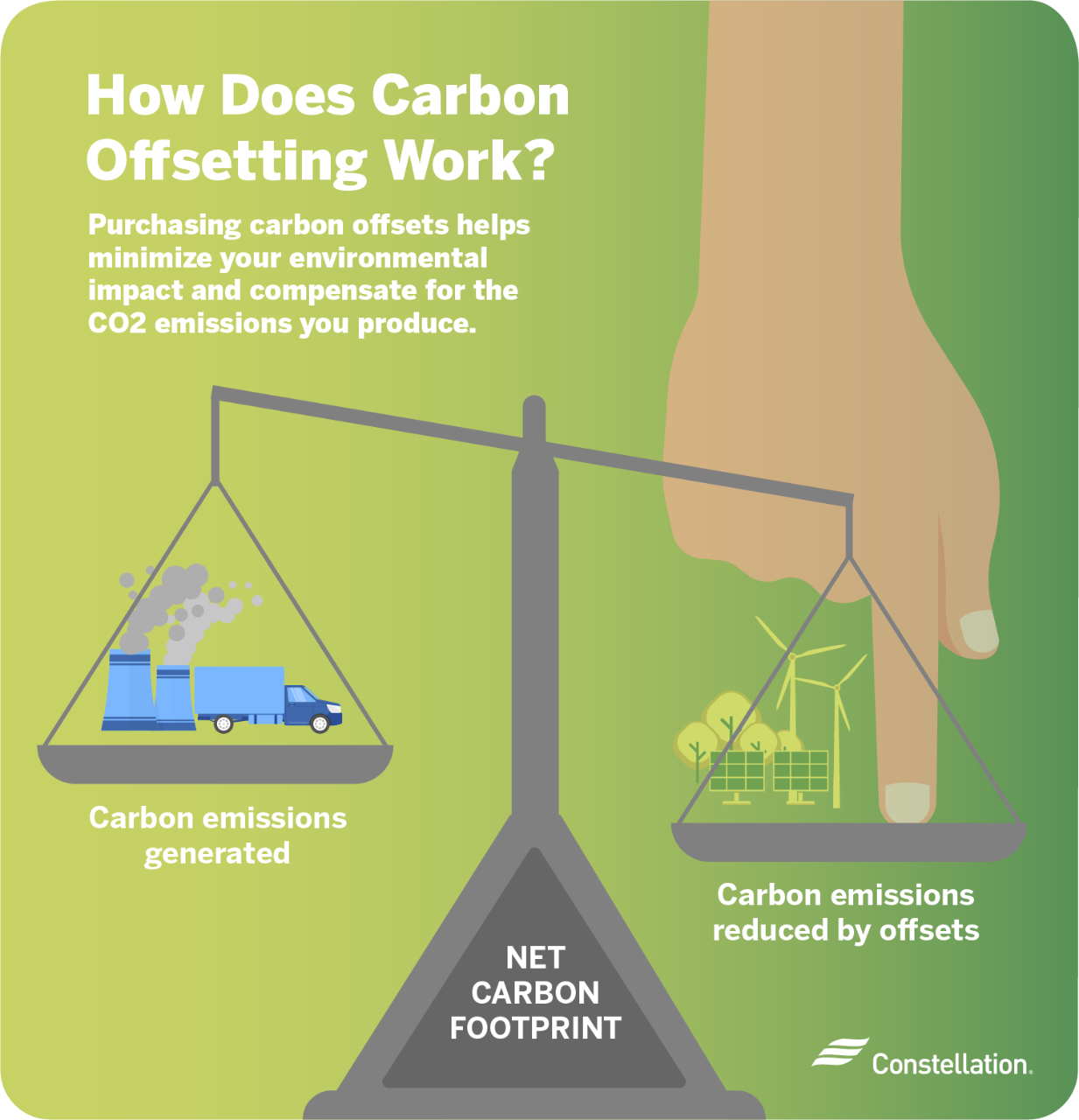
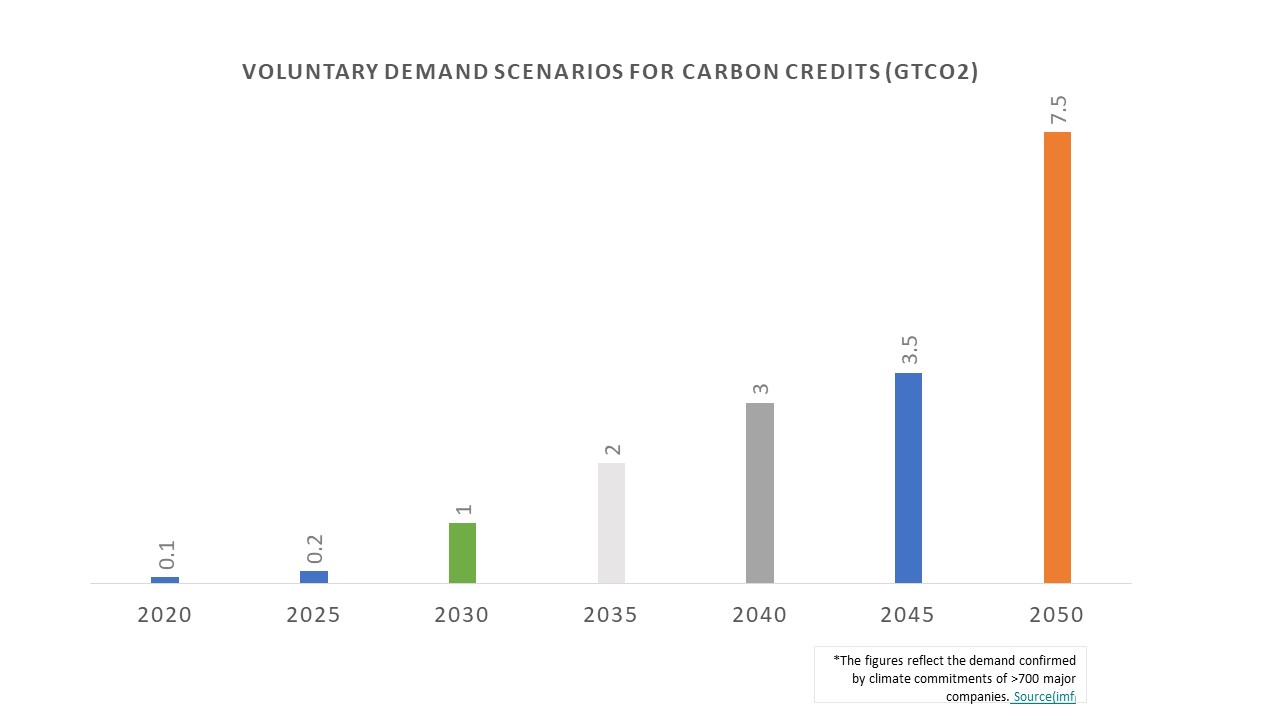
In recent years, the world has witnessed a significant increase in the demand for carbon offset project financing models to support the transition to a low-carbon economy. Carbon offset projects are designed to reduce greenhouse gas emissions and mitigate the effects of climate change. In this article, we will explore the various carbon offset project financing models and provide an in-depth understanding of the sector.
What are Carbon Offset Project Financing Models?
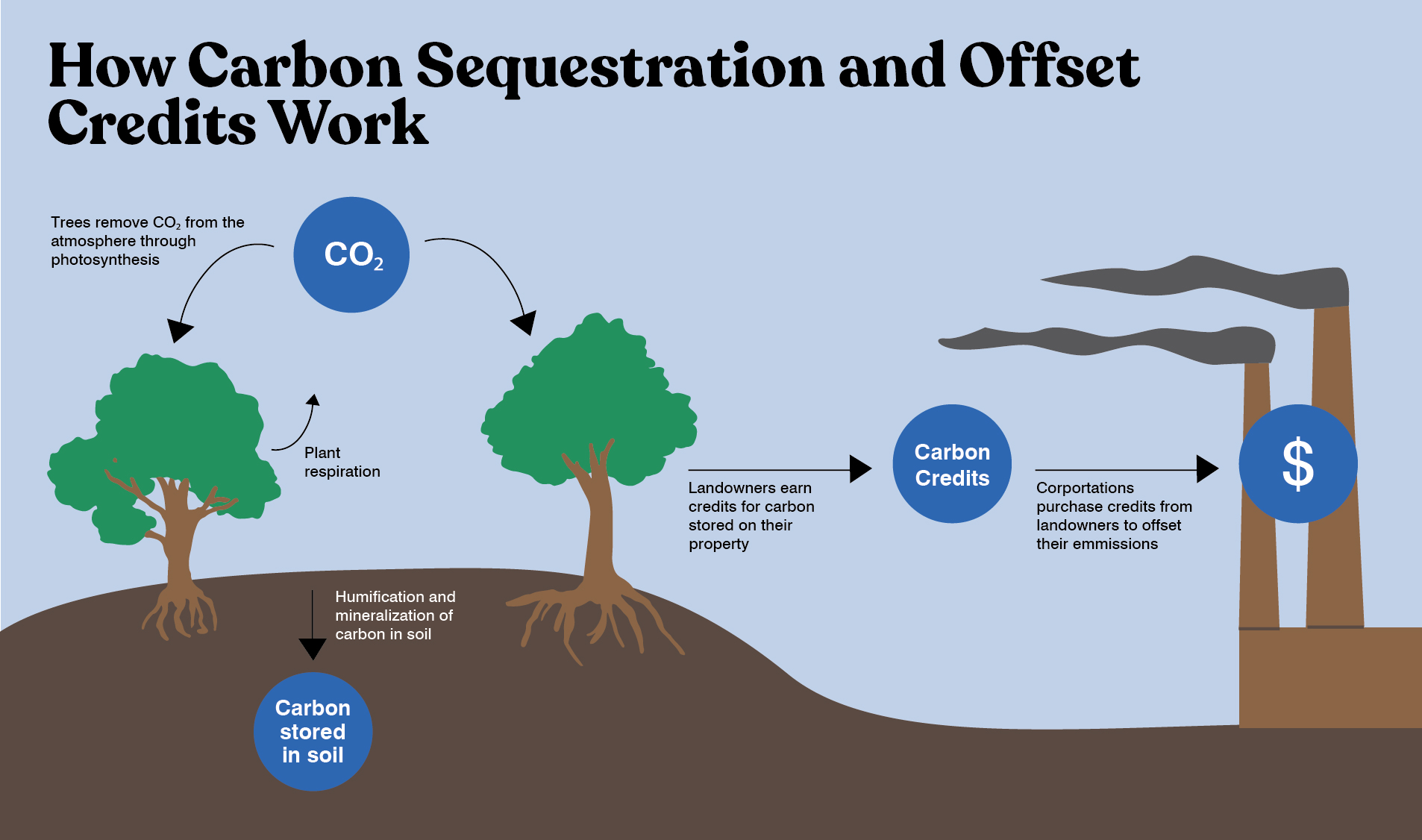
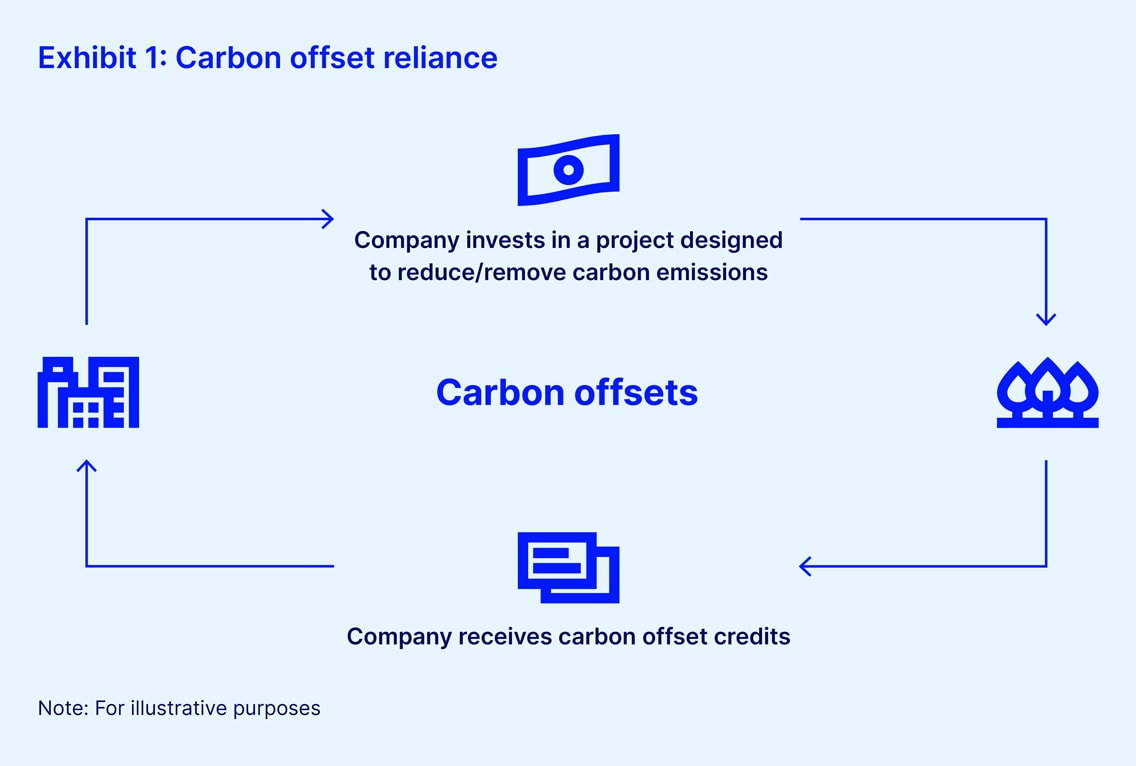
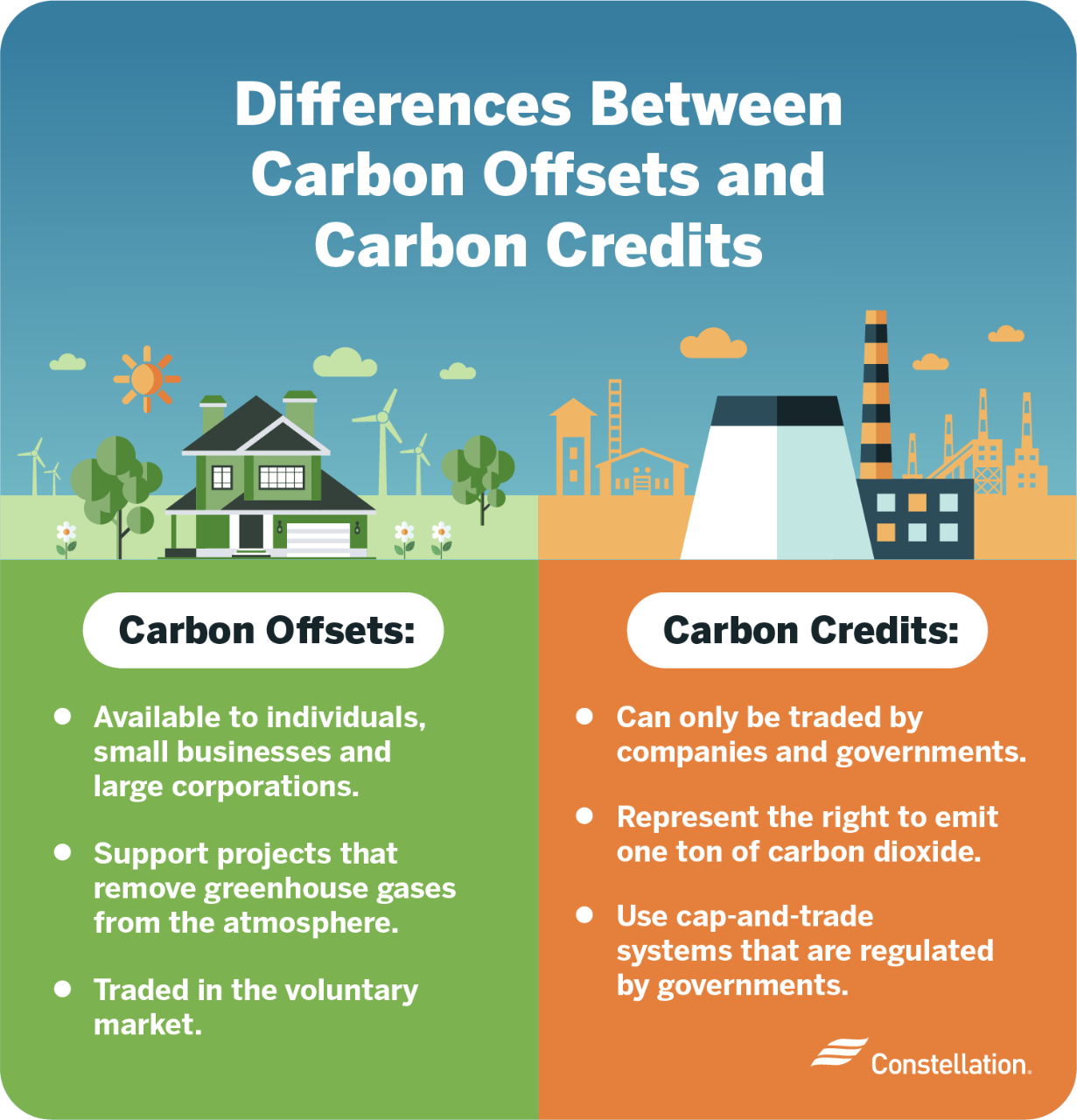
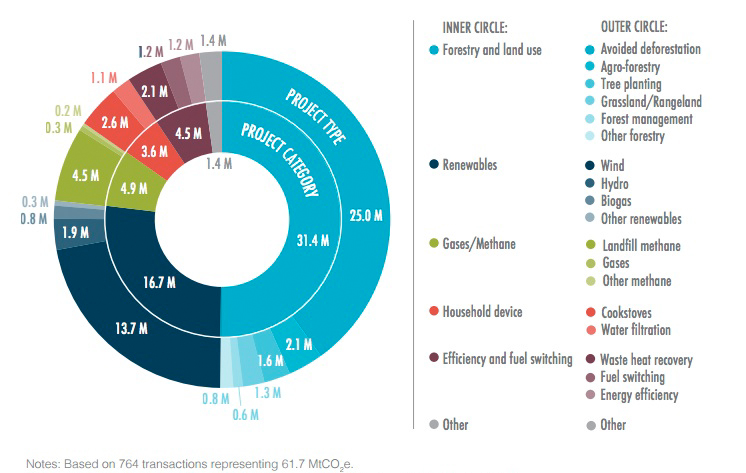
Carbon offset project financing models refer to the mechanisms and funding strategies used to support projects that mitigate carbon footprints. These projects can range from reforestation to developing carbon capture technologies, all of which play a role in counteracting emissions. The most common types of carbon offset projects are nature-based offsets such as forests, while there are also non-nature based projects that aim to reduce emissions through alternative means.
Determining Financial Investibility
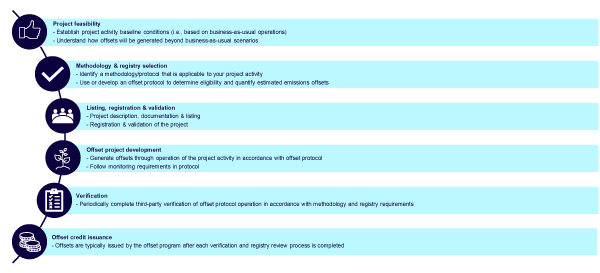
When it comes to carbon offset project financing, determining financial investibility is crucial. It involves assessing the project's potential to generate revenue, the risks associated with it, and the potential for returns on investment. Project finance is a mechanism that allows for the separation of project finance from the balance sheet of the company or sponsor, which can help to mitigate risks and increase the attractiveness of a project to investors.