Carbon Credit Trading Risk Management: Navigating the Complex Landscape
The carbon credit trading market has experienced significant growth in recent years, driven by increasing demand for renewable energy and sustainable practices. However, this market is also characterized by high risks, particularly in terms of credit risk, delivery risk, and value risk. In this article, we will explore the intricacies of carbon credit trading risk management and discuss strategies for mitigating these risks.
The Rise of Carbon Credit Trading
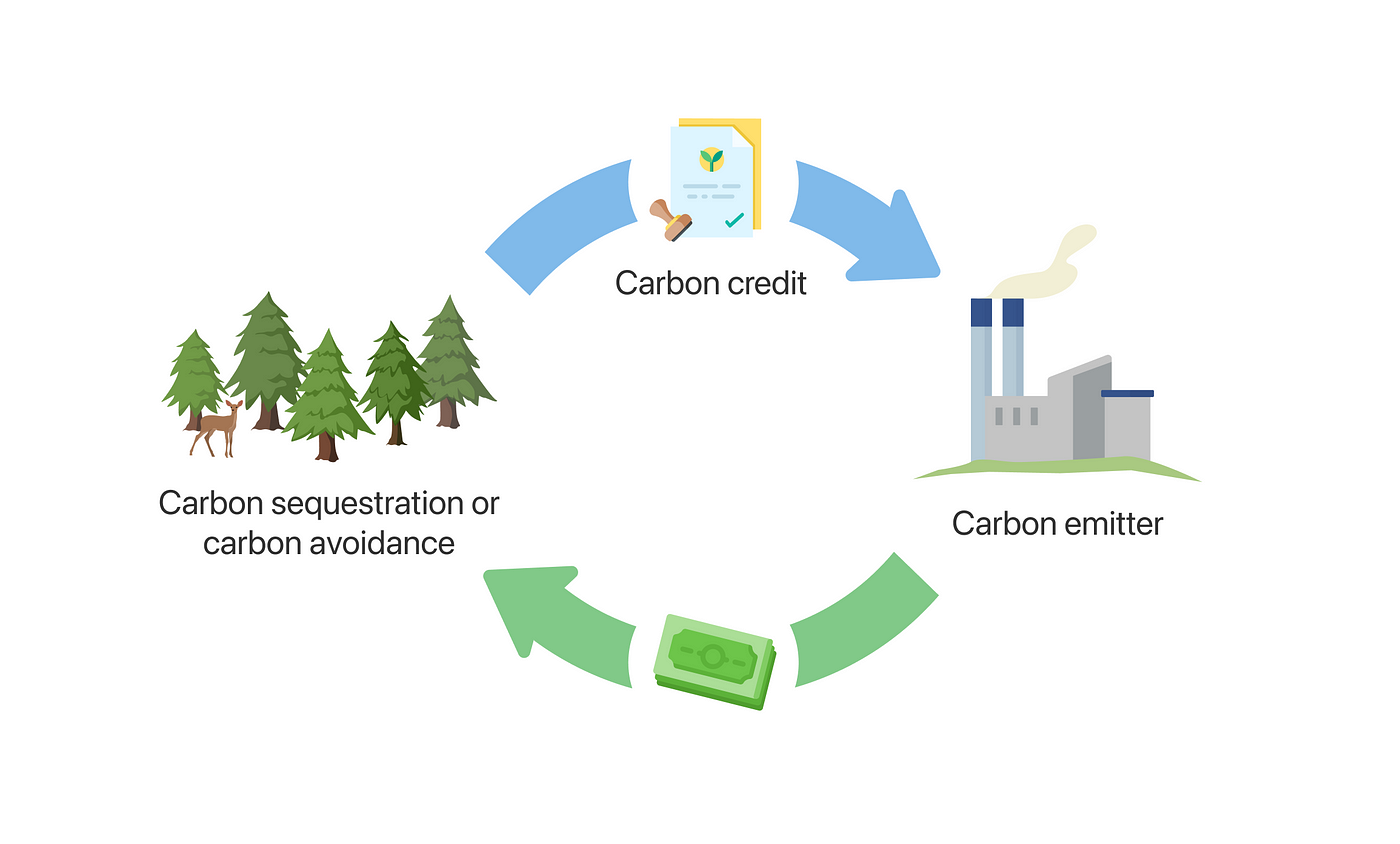
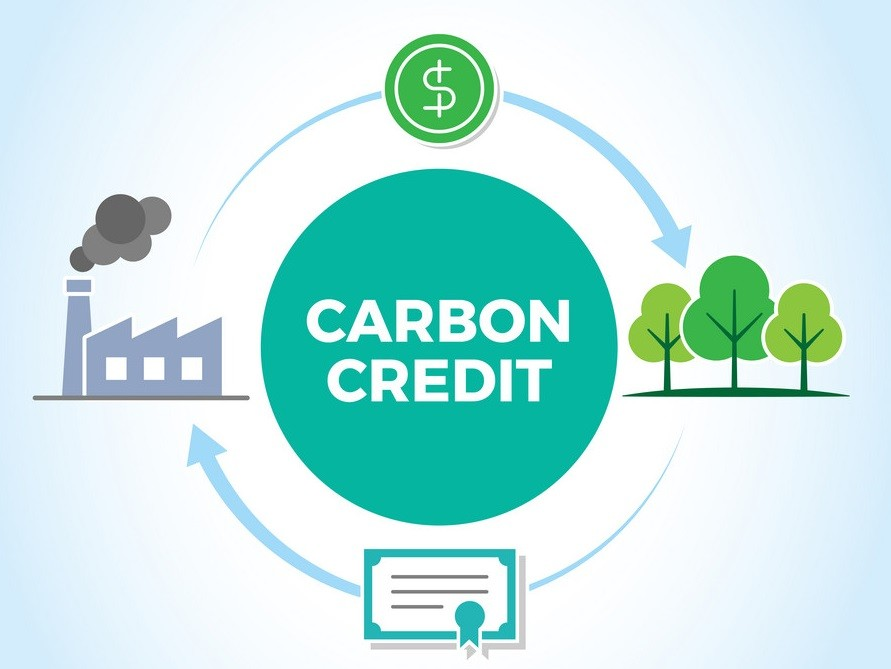
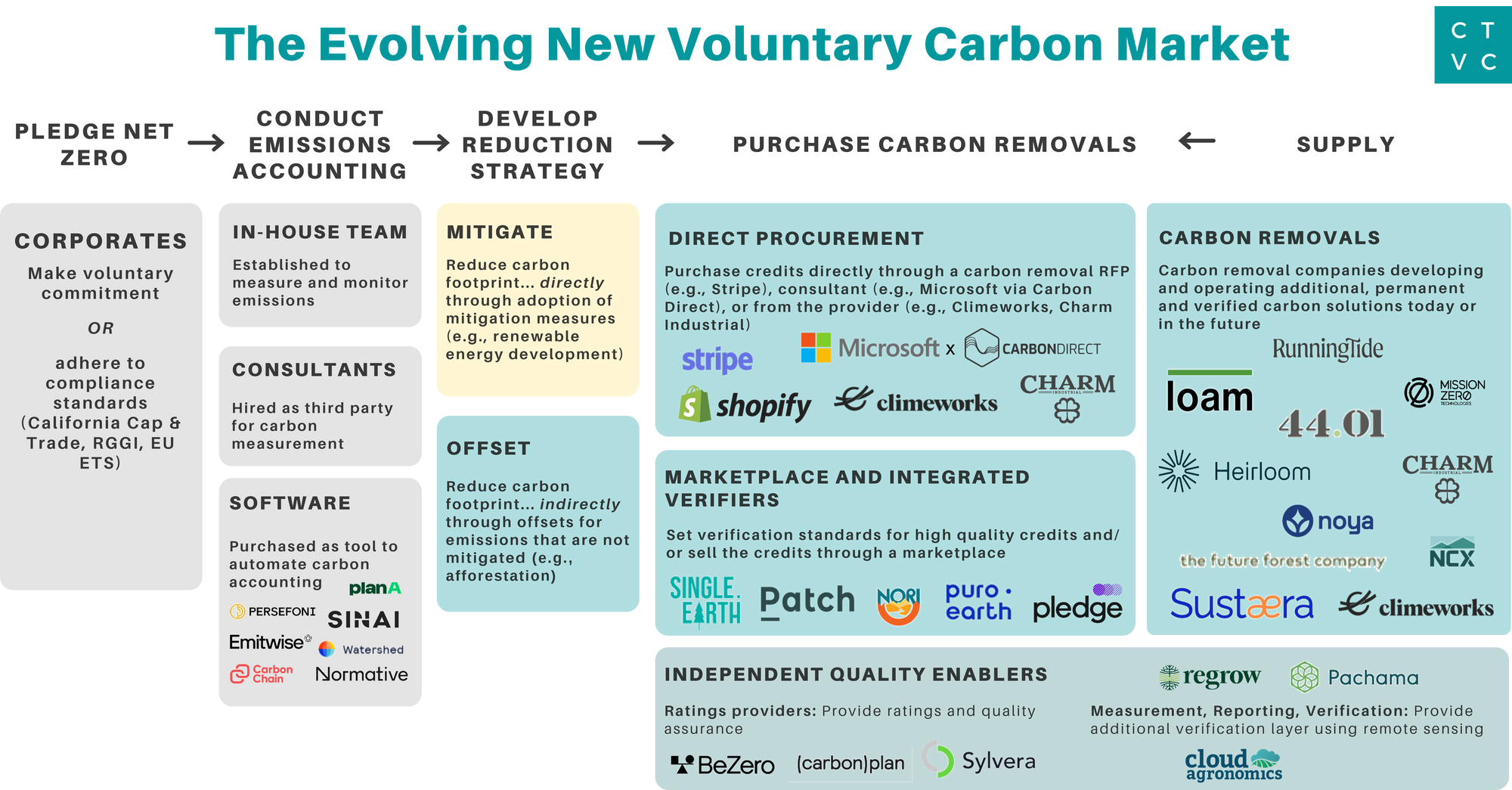
Carbon credit trading is a market-based mechanism for reducing greenhouse gas emissions. The market has grown rapidly, with voluntary carbon markets (VCMs) and compliance markets (CMs) experiencing significant demand. However, this growth has also led to concerns about credit quality and integrity, which can impact market stability and investor confidence.

Risk Management in Carbon Credit Trading
Risk management is a critical aspect of carbon credit trading. The three primary risk categories associated with carbon credit investments are integrity risk, delivery risk, and value risk. Integrity risk refers to the potential for credits to be issued under false pretenses or without adequate verification. Delivery risk arises from the possibility that credits may not be delivered as promised. Value risk occurs when the value of credits fluctuates due to market changes or other factors.